
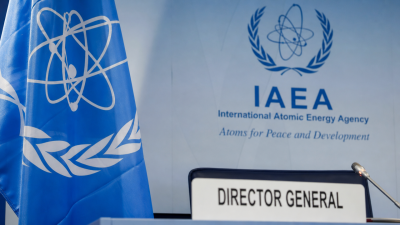
On 22 June 2026 Iran agreed to allow IAEA inspectors back into the country after first‑round US–Iran talks at Bürgenstock, Switzerland; Tehran simultaneously stated no new commitments had been made and that IAEA interactions would follow existing procedures and parliamentary approval.
Recent developments
- Dates & venue: Talks began 21 June 2026 at Bürgenstock, Switzerland; announcement on 22 June 2026.
- IAEA presence: IAEA Director General Rafael Grossi attended the talks and welcomed the memorandum enabling technical work to begin.
- Monitoring gap: Long‑term independent IAEA monitoring was effectively halted in June 2025 after attacks on Iranian nuclear facilities; inspectors have been barred from key sites since then.
Technical status of Iran’s nuclear material
- Enriched uranium stockpile: IAEA estimates ~440 kg of uranium enriched to 60% U‑235 (approx. 970 lb).
- Enrichment context: Weapons‑grade uranium is typically ~90% U‑235; further enrichment from 60% to 90% requires additional separative work.
- Inspection focus: Negotiations will address intrusiveness, scale and specific access mandates for inspectors, especially at damaged sites.
Legal and institutional framework
- IAEA safeguards: Implemented under Comprehensive Safeguards Agreements that non‑nuclear‑weapon parties to the NPT must conclude.
- Additional Protocol (AP): AP grants the IAEA expanded information access and complementary access to sites beyond routine safeguards.
- IAEA HQ & authority: The Agency is headquartered in Vienna and reports to its Board of Governors and General Conference.
IASPOINT Booster Facts
- NPT Article III: Requires non‑nuclear‑weapon states to accept IAEA safeguards to verify non‑diversion of nuclear material.
- Safeguards objective: Detect early diversion of nuclear material for weapons and provide assurance to the international community.
- IAEA verification outputs: Quarterly and state‑level safeguards reports document material inventory and inspector access.