
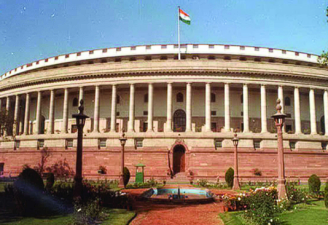
The Immigration and Foreigners Bill, 2025 was introduced in the Lok Sabha to reform the entry, exit, and stay of foreigners in India. The government aims to simplify existing laws and eliminate overlaps. This legislation seeks to replace outdated acts that are no longer relevant in contemporary society. It has sparked debate among political factions regarding its implications on constitutional rights and foreign talent.
Objectives of the Bill
The Bill aims to streamline immigration processes. It consolidates various laws into a single framework. This is intended to reduce confusion and improve efficiency. The proposed legislation includes provisions for the roles of Immigration Officers and the requirements for passports and visas.
Key Provisions
The Bill outlines specific obligations for universities and medical institutions that admit foreigners. It also addresses the restrictions on the movement of certain foreigners. The legislation empowers civil authorities to manage areas frequented by foreigners. Additionally, it sets penalties for violations of its provisions.
Current Legislative Framework
The existing legal structure comprises several acts – the Foreigners Act of 1946, the Immigration (Carriers’ Liability) Act of 2000, the Passport (Entry into India) Act of 1920, and the Registration of Foreigners Act of 1939. These laws were established during historical events, such as the World Wars. The Bill seeks to repeal these outdated acts to create a more cohesive legal framework.
Opposition Concerns
Opposition parties have raised concerns about the Bill. Critics argue it may violate constitutional rights. They fear the government could misuse the legislation to restrict entry based on ideological grounds. There are also worries that it could hinder the influx of skilled professionals into the country.
Government’s Justification
The government defends the Bill by asserting its constitutional authority to legislate on immigration. It emphasises the need to maintain national sovereignty and security. The Minister of State for Home brought into light the importance of welcoming tourists while ensuring that the country’s peace is preserved.
Foreign Visitor Statistics
Recent statistics reveal that approximately 9.84 million foreigners visited India between April 1, 2023, and March 31, 2024. This data puts stress on the significance of effective immigration policies to manage the growing influx of visitors.
Future Implications
The Bill’s passage could lead to changes in India’s immigration landscape. It may facilitate smoother processes for foreigners entering the country. However, its implementation will require careful monitoring to address concerns about rights and inclusivity.
Questions for UPSC:
- Critically analyse the implications of the Immigration and Foreigners Bill, 2025 on India’s constitutional framework.
- What are the potential effects of the Immigration and Foreigners Bill, 2025 on the inflow of skilled professionals into India? Discuss.
- Explain the historical context of the existing immigration laws in India. How do they compare to the proposed legislation?
- With suitable examples, comment on the balance between national security and the welcoming of foreign talent in immigration policies.
Answer Hints:
1. Critically analyse the implications of the Immigration and Foreigners Bill, 2025 on India’s constitutional framework.
- The Bill has faced opposition for potentially violating constitutional rights, raising concerns about arbitrary restrictions.
- It consolidates multiple outdated laws, aiming for clarity and efficiency in immigration processes.
- Critics argue it could allow the government to deny entry based on ideological grounds, impacting freedom of movement.
- The proposed legislation must align with fundamental rights enshrined in the Constitution, particularly regarding equality and non-discrimination.
- Legal challenges may arise if the Bill is perceived as infringing on citizens’ rights or misusing government powers.
2. What are the potential effects of the Immigration and Foreigners Bill, 2025 on the inflow of skilled professionals into India? Discuss.
- The Bill could streamline processes, making it easier for skilled professionals to enter and work in India.
- Concerns exist that restrictive measures could deter foreign talent, particularly if ideological biases influence visa approvals.
- Clear guidelines may enhance India’s attractiveness as a destination for global talent, encouraging innovation and economic growth.
- Educational and medical institutions’ obligations to foreign professionals could improve collaboration and knowledge transfer.
- The overall impact will depend on the Bill’s implementation and the government’s approach to foreign talent management.
3. Explain the historical context of the existing immigration laws in India. How do they compare to the proposed legislation?
- The existing laws were established during the early 20th century and were influenced by historical events like the World Wars.
- These laws are seen as outdated and fragmented, leading to confusion and inefficiencies in immigration processes.
- The proposed Bill aims to repeal these acts, consolidating them into a single, comprehensive framework.
- While the existing laws focus on control and regulation, the new Bill emphasizes efficiency and clarity in immigration policy.
- Historical context marks the need for reform to adapt to contemporary global mobility and immigration challenges.
4. With suitable examples, comment on the balance between national security and the welcoming of foreign talent in immigration policies.
- National security is paramount; policies must ensure that immigration does not compromise safety or sovereignty.
- For instance, stringent vetting processes can prevent entry of individuals who may pose security threats while still allowing skilled professionals.
- Countries like Canada have successfully balanced security with openness, promoting immigration while ensuring thorough background checks.
- India’s approach must involve clear criteria that distinguish between security risks and valuable contributions from foreign talent.
- Effective immigration policies can enhance national security by encouraging international collaboration and talent exchange.