
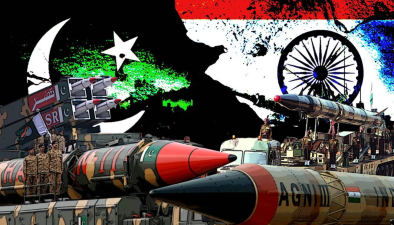
Recent events have reshaped India-Pakistan relations and counter-terrorism dynamics. A suicide car bomb near Delhi’s Red Fort has raised questions about ongoing terror threats and strategic responses. This incident follows the May Pahalgam killings and India’s Operation Sindoor, aimed at punitive action against Pakistan-based jihadi groups. However, US mediation claims and shifting geopolitical ties have complicated the situation.
Operation Sindoor and Its Aftermath
Operation Sindoor was launched by India in May 2025 as retaliation for terror attacks linked to Pakistan-based groups. The operation aimed to deter future attacks by signalling strong military resolve. However, US President Donald Trump’s public mediation claims and support for Pakistan’s narrative about downed Indian planes diluted India’s diplomatic gains. India later declared the operation was ongoing and warned any future attacks would be treated as acts of war.
US-Pakistan Relations and Their Impact
Under President Trump’s second term starting January 2025, US-Pakistan relations improved . Trump hosted Pakistan’s military chief Field Marshal Asim Munir, an unprecedented move signalling closer ties. Pakistan capitalised on this by cooperating in counterterrorism and handing over key terror suspects to the US. Pakistan also shifted towards economic partnerships, offering strategic ports and rare minerals to the US, balancing Chinese influence with American interests.
Pakistan’s Strategic Positioning
Pakistan’s new strategy blends military assertiveness with economic diplomacy. The appointment of Field Marshal Asim Munir as Chief of Defence Forces consolidates military control. Pakistan’s 27th Constitutional Amendment enhances unified command over its armed forces. Economic deals involving ports and rare minerals strengthen Pakistan’s geopolitical importance between China and the US. This dual approach complicates India’s strategic calculations.
India’s Counter-Terrorism Challenges
The Red Fort car bomb, possibly linked to Jaish-e-Mohammed and Al-Qaeda affiliates, signals ongoing terror threats. India faces a dilemma – retaliate militarily and risk alienating the US or avoid escalation and weaken deterrence. The involvement of educated professionals in terror plots marks the need for comprehensive counter-terrorism beyond military action. Political outreach and restoring Jammu and Kashmir’s statehood are seen as critical for long-term peace.
Geopolitical and Domestic Implications
India’s counter-terrorism strategy is at a crossroads. The BJP government must balance military action with political solutions in Jammu and Kashmir. US trade relations and global diplomacy further complicate decisions. Pakistan’s portrayal as a victim of terror after simultaneous blasts in Islamabad adds to the diplomatic complexity. India’s ability to prove direct Pakistani involvement in terror plots is crucial for international support.
Future Prospects
The evolving US-Pakistan relationship and Pakistan’s strategic moves challenge India’s deterrence policy. Operation Sindoor Part 2 remains a possibility but requires careful timing and international backing. India’s approach must integrate military strength with political engagement in Jammu and Kashmir. Winning hearts and minds is essential to counter-terrorism success in the region.
Questions for UPSC:
- Critically analyse the impact of US foreign policy shifts on India-Pakistan relations in the context of counter-terrorism.
- Explain the strategic importance of Pakistan’s economic partnerships with the US and China, and their implications for regional security.
- What are the challenges faced by India in balancing military retaliation and diplomatic engagement in Jammu and Kashmir? Discuss with suitable examples.
- Underline the role of unified military command in Pakistan’s defence strategy and how it affects India’s security calculus.
Answer Hints:
1. Critically analyse the impact of US foreign policy shifts on India-Pakistan relations in the context of counter-terrorism.
- US under Trump (second term) improved ties with Pakistan, hosting its military chief and engaging directly.
- Trump publicly supported Pakistan’s claims about downed Indian planes, undermining India’s diplomatic position.
- US mediation claims diluted India’s narrative post-Operation Sindoor, weakening India’s counter-terrorism leverage.
- Pakistan leveraged US relations to gain strategic and economic advantages, complicating India’s security concerns.
- Under Biden, US-Pakistan relations cooled; Trump’s return shifted US policy to favor Pakistan again, affecting India-Pakistan dynamics.
- US-Pakistan cooperation on counter-terrorism (e.g., handing over terror suspects) contrasts with Pakistan’s alleged support for anti-India terror groups.
2. Explain the strategic importance of Pakistan’s economic partnerships with the US and China, and their implications for regional security.
- Pakistan balances dependence on China’s Belt and Road Initiative with emerging US economic partnerships.
- Deals involving strategic ports (Pasni) offer US a foothold near China-controlled Gwadar and India-Iran’s Chabahar ports.
- Export of rare earth minerals to the US reduces American dependence on China, enhancing Pakistan’s geopolitical value.
- Economic diversification strengthens Pakistan’s autonomy and military funding, potentially emboldening strategic assertiveness.
- These partnerships complicate regional power dynamics, making India’s security calculus more complex.
- Pakistan’s economic diplomacy supports its military ambitions, impacting India’s deterrence and regional stability.
3. What are the challenges faced by India in balancing military retaliation and diplomatic engagement in Jammu and Kashmir? Discuss with suitable examples.
- Military retaliation risks alienating the US, especially amid sensitive India-US trade negotiations.
- Failure to prove direct Pakistani involvement in terror attacks limits international support for military action.
- Non-retaliation weakens India’s deterrence, emboldening terror groups linked to Pakistan.
- Political outreach in J&K is limited; statehood restoration and genuine local engagement remain pending.
- Recent terror plots involving educated professionals show the need for hearts-and-minds approach beyond military force.
- Example – Post-Balakot strategy’s success in 2019 vs. current dilemma after Operation Sindoor and Red Fort blast.
4. Underline the role of unified military command in Pakistan’s defence strategy and how it affects India’s security calculus.
- 27th Constitutional Amendment consolidates all three services under Chief of Defence Forces (Field Marshal Asim Munir).
- Unified command improves coordination, rapid response, and strategic planning within Pakistan’s military.
- Enhances Pakistan’s ability to conduct complex operations, including cross-border terror activities.
- Signals Pakistan’s intent to strengthen military posture amid evolving regional tensions.
- Complicates India’s threat assessment and response planning due to increased Pakistani military efficiency.
- May embolden Pakistan to test Indian resolve, impacting India’s counter-terrorism and deterrence strategies.