
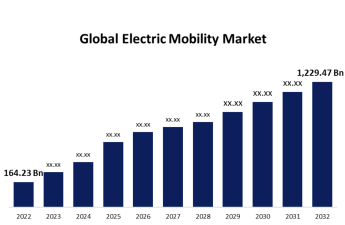
India’s electric mobility initiative has accelerated the growth of the e-cycle market across the country. In 2023, e-cycle sales increased by over 45%, reaching approximately 1.2 million units. The government’s Faster Adoption and Manufacturing of Hybrid and Electric Vehicles (FAME) scheme has been a key driver, providing subsidies for electric two-wheelers and bicycles.
E-Cycle Market Dynamics
The e-cycle segment includes electric bicycles equipped with pedal assist and throttle modes. Major manufacturers such as Hero Electric, Avon Cycles, and Lectro have expanded production capacities. Urban areas like Delhi, Bengaluru, and Pune show the highest demand due to traffic congestion and pollution concerns. Retail prices for e-cycles range from ₹25,000 to ₹70,000 depending on battery capacity and brand.
Government Policies and Incentives
The FAME-II scheme allocates ₹1,000 crore (approx. $120 million) for electric two-wheelers and cycles subsidies until 2024. State governments in Maharashtra, Karnataka, and Tamil Nadu offer additional incentives like road tax exemptions and registration fee waivers. The Ministry of Heavy Industries targets 30% electric vehicle penetration in the two-wheeler segment by 2030.
Infrastructure and Charging Facilities
Charging infrastructure for e-cycles is expanding through public-private partnerships. Over 500 e-cycle charging stations operate in metro cities, with plans to increase this number to 2,000 by 2025. Battery swapping models are being piloted to reduce charging time and increase convenience for users.
Environmental and Economic Impact
E-cycles contribute to reducing urban air pollution by cutting carbon emissions by up to 60% compared to petrol two-wheelers. The sector has created approximately 50,000 direct and indirect jobs in manufacturing, sales, and maintenance. Battery recycling initiatives are emerging to manage e-waste from lithium-ion batteries.
What to Study for UPSC Exams?
- Electric Vehicle Policies in India
- Urban Air Pollution Control Measures
- Sustainable Transport Technologies
- Renewable Energy and Battery Recycling
Electric Vehicle Policies in India
India’s FAME scheme, launched in 2015, provides subsidies to promote electric vehicle adoption. The FAME-II phase allocates over ₹1,000 crore for electric two-wheelers and cycles. State-level incentives include tax exemptions and registration fee waivers. The government aims for 30% electric penetration in two-wheelers by 2030. Policies also encourage local manufacturing under the Make in India initiative.
Urban Air Pollution Control Measures
Urban air pollution control includes regulations on vehicular emissions, promoting public transport, and green zones. The National Clean Air Programme (NCAP) targets a 20-30% reduction in particulate matter by 2024. Technologies like air quality monitoring networks and smog towers are deployed. Policies also incentivize electric and CNG vehicles in cities to reduce fossil fuel use.
Sustainable Transport Technologies
Sustainable transport integrates electric mobility, hydrogen fuel cells, and biofuels. Electric bicycles and scooters use lithium-ion batteries with regenerative braking. Hydrogen fuel cell vehicles emit only water vapor. Smart traffic management and shared mobility reduce congestion and emissions. Lightweight materials and aerodynamic designs improve energy efficiency.
Renewable Energy and Battery Recycling
Renewable energy sources like solar and wind power are increasingly used to charge electric vehicles. Lithium-ion battery recycling recovers cobalt, nickel, and lithium to reduce mining impact. Techniques include hydrometallurgical and pyrometallurgical processes. Battery second-life applications repurpose cells for energy storage before recycling. Global recycling rates remain below 5%.
Last Modified: April 15, 2026