
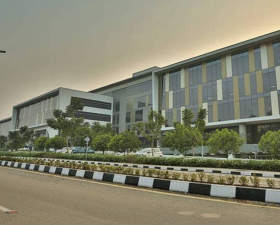
The Kochi SmartCity project has become a focal point of controversy in Kerala. The state government’s recent decision to allow Dubai-based TECOM to exit the project has sparked accusations of mismanagement and potential land scams. The opposition parties, particularly the Congress-led United Democratic Front (UDF), have raised concerns about the project’s execution and transparency.
Overview of the Kochi SmartCity Project
The Kochi SmartCity project is an IT-centric industrial township. It was established as a joint venture between the Kerala government and TECOM Investment FZ LLC, a subsidiary of Dubai Holdings. The project aimed to create 90,000 direct jobs and provide infrastructure for IT and ITES companies. It promised a built-up area of 8.8 million square feet. The project was initiated in 2005 under a Memorandum of About (MoU) with TECOM.
Timeline of Events
In 2005, the UDF government signed an MoU with TECOM, which included handing over the state-run Infopark. The CPI(M) opposed granting TECOM freehold rights. In 2011, the CPI(M) government finalised the deal, allowing TECOM freehold over 12% of the project area but without the right to sell. The remaining 88% was leased for 99 years.
Government’s Recent Actions
Recently, the Kerala government formed a committee to develop an exit policy for TECOM. The committee will assess TECOM’s investment and compensate it based on share value. An independent evaluator will be appointed for this purpose. The government aims to retain the project as state property and intends to allocate the land to other IT firms.
Opposition’s Concerns
The UDF has expressed discontent with the government’s actions. They argue that TECOM has not adhered to the agreement’s terms. The opposition fears that the government’s plans may hinder IT development in the state. They stress the need for accountability and transparency in the project’s management.
Findings from the CAG Report
A report from the Comptroller and Auditor General (CAG) raised concerns about the project. It noted the absence of a feasibility study and questioned the state’s minimal stake of 16%. The report brought into light a lack of transparency in partner selection and indicated that the state acquired more land than necessary at below-market prices. Additionally, it pointed out that the initial promise of creating 90,000 jobs was diluted.
Future Prospects
The Kerala government aims to shift focus from private joint ventures to state-backed IT development. Chief Minister Pinarayi Vijayan has stated the intention to buy back TECOM’s 84% stake. The government plans to allocate the Smart City area to compliant investors, ensuring adherence to established norms.
Questions for UPSC:
- Examine the implications of foreign investments in local infrastructure projects in India.
- Critically discuss the role of state government accountability in public-private partnerships.
- Estimate the impact of the Kochi SmartCity project on Kerala’s economic landscape over the last decade.
- Point out the challenges faced by the Kochi SmartCity project and analyse the effectiveness of government interventions.
Answer Hints:
1. Examine the implications of foreign investments in local infrastructure projects in India.
- Foreign investments can lead to improved infrastructure and technology transfer.
- They can create employment opportunities, boosting local economies.
- However, concerns about sovereignty and control over local resources may arise.
- Transparency and regulatory frameworks are crucial to prevent exploitation.
- Public opposition can emerge if local needs are overlooked in favor of foreign interests.
2. Critically discuss the role of state government accountability in public-private partnerships.
- State governments must ensure transparency in the selection of private partners.
- Accountability mechanisms should be in place to monitor project progress and compliance.
- Public interest must be prioritized over private gains in PPP agreements.
- Regular audits and evaluations can enhance trust and credibility in partnerships.
- Failure to hold partners accountable can lead to mismanagement and public discontent.
3. Estimate the impact of the Kochi SmartCity project on Kerala’s economic landscape over the last decade.
- The project aimed to create 90,000 jobs, impacting local employment.
- It spurred a real estate boom, increasing property values in the Kochi area.
- However, the lack of transparency and accountability raised concerns about its success.
- The dilution of job creation promises indicates potential underperformance.
- The project has influenced policy discussions on foreign investments and infrastructure development.
4. Point out the challenges faced by the Kochi SmartCity project and analyse the effectiveness of government interventions.
- Challenges include lack of feasibility studies and transparency in partner selection.
- Opposition from political parties indicates political and public trust issues.
- Government interventions like forming a committee to assess investments show proactive measures.
- However, the effectiveness of these interventions remains to be seen in terms of project success.
- Long-term sustainability of the project is contingent on adherence to norms and public accountability.