
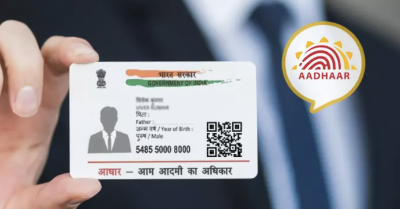
The Unique Identification Authority of India (UIDAI) has initiated changes to Aadhaar cards of Ladakh residents. The update replaces the previous state name “Jammu and Kashmir” with the Union Territory name “Ladakh” on Aadhaar cards. This change follows the reorganisation of Jammu and Kashmir into two Union Territories on 31 October 2019.
Background of Administrative Change
On 31 October 2019, Jammu and Kashmir was bifurcated into two Union Territories: Jammu and Kashmir, and Ladakh. Ladakh comprises two districts, Leh and Kargil. The reorganisation dissolved the state status of Jammu and Kashmir, impacting official documents and administrative records.
UIDAI Update Process
UIDAI has started the process to update Aadhaar cards for residents of Ladakh. The update involves changing the address field and state name on Aadhaar cards from “Jammu and Kashmir” to “Ladakh”. Residents can request the update through UIDAI’s online portal or enrolment centres. This change does not affect the Aadhaar number or biometric data.
Scope and Implementation
The update applies to all individuals whose Aadhaar registration address is in Ladakh. The UIDAI has issued guidelines to enrolment agencies to ensure the correct Union Territory name is reflected in new and updated Aadhaar cards. The process aims to align Aadhaar data with current administrative boundaries.
Implications for Residents
The updated Aadhaar cards will be valid for all official and legal purposes. Residents will need to update their Aadhaar details to reflect the Union Territory name for government schemes, banking, and identification processes. The UIDAI has not specified a deadline for this update.
What to Study for UPSC Exams?
- Union Territory Reorganisation
- Aadhaar Act and UIDAI
- Administrative Boundaries in India
- Identity Documentation Policies
Union Territory Reorganisation
The States Reorganisation Act, 1956 primarily reorganized states by language, but UT reorganisation often involves central government notifications. Ladakh became a Union Territory without a legislature in 2019. UTs can be governed by a Lieutenant Governor appointed by the President. Some UTs like Delhi have partial statehood, unlike Ladakh. UT reorganisation affects administrative control, law enforcement, and resource allocation directly under central government jurisdiction.
Aadhaar Act and UIDAI
The Aadhaar Act, 2016 legally mandates UIDAI to issue a unique 12-digit ID based on biometric and demographic data. UIDAI operates under the Ministry of Electronics and IT. Aadhaar data is stored in a centralized database with strict security protocols. The Act enables voluntary use of Aadhaar for subsidies, welfare, and identification but prohibits mandatory Aadhaar for services like bank accounts without consent.
Administrative Boundaries in India
India’s administrative boundaries include states, UTs, districts, and sub-districts, defined by central and state governments. Boundaries impact governance, resource distribution, and electoral constituencies. Changes require parliamentary approval or presidential orders. The Delimitation Commission periodically redraws boundaries for electoral fairness. Boundary disputes occasionally arise due to ethnic or linguistic factors, influencing regional stability and administration.
Identity Documentation Policies
Identity documentation in India encompasses Aadhaar, PAN, voter ID, passport, and ration cards, each governed by different laws. Aadhaar is the most widely used biometric ID. Policies balance privacy with authentication needs. The Right to Privacy ruling (2017) impacted data protection norms. Documents serve for citizenship verification, subsidies, and access to services. Fake ID detection and data security remain ongoing policy challenges.
Last Modified: April 11, 2026