
Recently, the tragic case of Ankita Bhandari two years prior has intensified scrutiny on women’s safety in Uttarakhand. The incident has catalysed political discourse, with opposition parties denoting government failures in addressing such crimes. Alarmingly, Uttarakhand’s crime rate against women is notably higher than the national average, prompting urgent calls for effective safety measures. The innovative Nainital Model has emerged as a promising initiative aimed at enhancing women’s safety across the region.
About the Nainital Model
Developed by Vandana, the District Magistrate of Nainital, this community-driven initiative seeks to empower women by addressing their safety concerns directly. The model is designed to provide a platform for women and girls to voice their fears and experiences, which were previously unaddressed. Richa Singh, the project’s nodal officer, emphasises the need for women to navigate their environment without fear, a critical aspect of urban safety.
Implementation Process
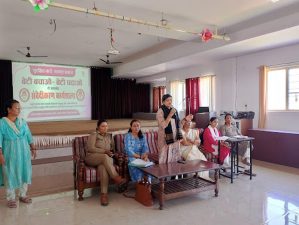
The Nainital Model employs a systematic approach to gather insights from women and girls. Between September and mid-October, the Haldwani administration conducted 50 workshops, engaging over 4,000 female students. This extensive feedback collection revealed alarming safety issues, including harassment by intoxicated individuals and unsafe transport practices. The information gathered has been decisive in shaping a Standard Operating Procedure (SOP) that outlines actionable steps to mitigate these concerns.
Key Departments’ Roles
The SOP delineates responsibilities among various local authorities. The police are charged with increasing patrols, particularly near schools, and monitoring public behaviour. The transport department is tasked with ensuring that auto drivers display identification and adhere to safe operational protocols. Additionally, the education department will implement self-defence workshops and disseminate emergency contact information in schools. Municipal efforts include improving street lighting in vulnerable areas, important step in enhancing public safety.
Outcomes and Future Expansion
Since the SOP’s introduction, there has been a noticeable uptick in police presence in high-risk areas. Successful interventions have included detaining individuals engaged in anti-social behaviour. Starting December 2024, autorickshaw drivers will be required to wear uniforms, further standardising safety measures. The Chief Secretary has mandated that all district magistrates replicate the Nainital Model statewide, ensuring tailored safety measures based on local feedback. This initiative aligns with broader campaigns like Beti Bachao Beti Padhao, reinforcing the commitment to women’s empowerment and safety.
Broader Implications
The Nainital Model not only sets a precedent for Uttarakhand but also serves as a potential blueprint for other states grappling with similar issues. By encourageing community involvement and inter-departmental collaboration, it demonstrates a proactive approach to tackling gender-based violence and enhancing public safety.
Last Modified: October 23, 2024Questions for UPSC:
- Discuss the implications of the Nainital Model on women’s safety in India.
- What measures can be taken to replicate the Nainital Model in other regions of India?
- Evaluate the role of community engagement in enhancing women’s safety in urban areas.
- How can inter-departmental collaboration improve public safety measures?
- Analyse the impact of increased police presence on crime rates against women.