
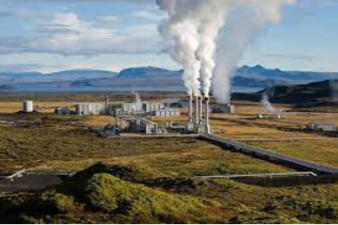
Pollution is a pervasive issue that has severe implications for the environment, ecosystems, and human health. It encompasses various contaminants released into the air, water, and soil, causing detrimental effects on the delicate balance of our planet.
Types of Pollution
Air Pollution
Air pollution is a major concern, primarily driven by the emission of pollutants from industrial activities, transportation, and burning of fossil fuels. Common air pollutants include particulate matter, nitrogen dioxide, sulfur dioxide, and carbon monoxide. These pollutants contribute to smog formation, respiratory diseases, and global warming.
- Example: In cities like Beijing, China, high levels of air pollution have led to increased respiratory problems, with citizens often having to wear masks to protect themselves from poor air quality.
Water Pollution
Water pollution occurs when harmful substances contaminate water bodies, adversely affecting aquatic life and human health. Industrial discharges, agricultural runoff, and improper waste disposal contribute to the degradation of water quality.
- Example: The discharge of untreated industrial effluents into rivers has resulted in the contamination of water supplies in regions like the Ganges in India, impacting the health of millions who rely on the river for drinking water.
Soil Pollution
Soil pollution involves the introduction of harmful substances into the soil, affecting its fertility and overall health. Pesticides, heavy metals, and industrial waste are common soil pollutants, leading to reduced agricultural productivity and ecosystem disruption.
- Example: The use of pesticides in intensive agricultural practices has led to soil degradation in areas like the American Midwest, adversely affecting the long-term sustainability of farming.
Environmental Consequences
Biodiversity Loss
Pollution poses a significant threat to biodiversity, as it disrupts ecosystems and habitats. Contaminants in air, water, and soil can have direct toxic effects on plants and animals, leading to population decline and even extinction.
- Example: Coral reefs, crucial marine ecosystems, are threatened by water pollution, with chemicals and pollutants contributing to coral bleaching and the loss of marine biodiversity.
Climate Change
The release of greenhouse gases from human activities, such as burning fossil fuels, contributes to climate change. Increased concentrations of carbon dioxide (CO2) in the atmosphere lead to global warming, causing shifts in weather patterns and rising sea levels.
- Example: The melting of polar ice caps and glaciers is a direct consequence of global warming, contributing to the rise in sea levels, threatening coastal communities worldwide.
Human Health Impacts
Respiratory Issues
Air pollution is a major contributor to respiratory diseases such as asthma, bronchitis, and lung cancer. Fine particulate matter and pollutants can penetrate the respiratory system, causing both short-term and long-term health issues.
- Example: In cities like Delhi, India, where air pollution levels frequently exceed safety standards, residents experience an increase in respiratory problems and related hospital admissions.
Waterborne Diseases
Contaminated water sources contribute to the spread of waterborne diseases, including cholera, dysentery, and typhoid. Poor sanitation and inadequate water treatment exacerbate the impact on human health.
- Example: In regions with inadequate access to clean water, such as parts of sub-Saharan Africa, waterborne diseases remain a significant public health challenge.
Key Data on Pollution
| Type of Pollution | Global Impact | Notable Statistics |
| Air Pollution | Contributes to 7 million premature deaths globally each year | (World Health Organization, 2020) |
| Water Pollution | 80% of global wastewater is discharged into water bodies untreated | (United Nations, 2017) |
| Soil Pollution | Estimated loss of 24 billion tons of fertile soil annually | (Food and Agriculture Organization, 2015) |
| Climate Change | Global temperatures have risen by 1.2°C above pre-industrial levels | (Intergovernmental Panel on Climate Change, 2021) |
Pollution remains a critical challenge that demands urgent attention and collective action. Understanding the diverse forms of pollution and their intricate impacts on the environment is crucial for devising effective solutions. Addressing pollution not only safeguards the health of ecosystems but also preserves the well-being of present and future generations.
Last Modified: February 22, 2024