
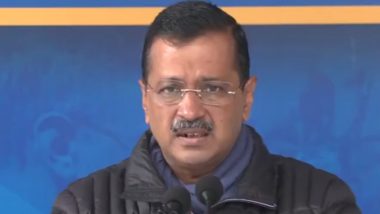
In a strategic move ahead of the Delhi Assembly elections, Aam Aadmi Party (AAP) chief Arvind Kejriwal introduced the ‘Pujari Granthi Samman Yojna’. This scheme aims to provide financial support to priests and granthis in Delhi’s temples and gurdwaras. The initiative promises a monthly allowance of Rs 18,000 to beneficiaries. Kejriwal emphasised the importance of recognising the contributions of these religious figures.
Scheme Overview
The ‘Pujari Granthi Samman Yojna’ is designed to support Hindu temple priests and Sikh gurdwara granthis. Each beneficiary will receive Rs 18,000 monthly. This initiative marks step in acknowledging the role of religious leaders in society. The scheme is set to launch after the AAP returns to power in Delhi.
Registration Process
Registration for the scheme will commence shortly. Kejriwal plans to personally register priests at a local Hanuman temple. This hands-on approach aims to demonstrate commitment to the initiative. The registration process is expected to be straightforward, ensuring easy access for all eligible priests and granthis.
Significance of the Scheme
This scheme is touted as a first in the country. It seeks to address the long-overlooked needs of priests and granthis. Kejriwal brought into light their dedication to religious rituals and the sacrifices they make for their families. By providing financial support, the AAP aims to enhance the dignity and recognition of these religious figures.
Political Context
The announcement comes amid ongoing political tensions in Delhi. Allegations regarding the AAP’s previous schemes, particularly the ‘Mahila Samman Yojana’, have surfaced. These accusations include fraudulent data collection and election interference. The political landscape is charged as the AAP prepares for the upcoming elections.
Reactions from Political Figures
Manish Sisodia, a prominent AAP leader, expressed gratitude for the new scheme. He assured that the initiative would be implemented once the AAP secures a majority in the elections. Sisodia reiterated Kejriwal’s commitment to respecting cultural and religious institutions.
Broader Implications
The introduction of the ‘Pujari Granthi Samman Yojna’ reflects a growing trend of political parties targeting specific voter demographics. By focusing on religious leaders, the AAP aims to consolidate support within these communities. This move could reshape the political dynamics in Delhi.
Future Prospects
As the elections approach, the success of this scheme will depend on AAP’s performance at the polls. The party’s ability to implement the scheme effectively will be crucial. Voter response to this initiative will also play role in determining its impact.
Questions for UPSC:
- Critically analyse the role of financial schemes in influencing voter behaviour during elections.
- What are the implications of government support for religious institutions on secularism in India?
- Explain the significance of the ‘Mahila Samman Yojana’ in the context of women’s empowerment in India.
- What are the ethical considerations surrounding data collection for government schemes? Discuss with suitable examples.
Answer Hints:
1. Critically analyse the role of financial schemes in influencing voter behaviour during elections.
- Financial schemes can create a direct economic incentive for voters, potentially swaying their support.
- Such schemes often target specific demographics, enhancing political engagement and loyalty among beneficiaries.
- They can be perceived as a government’s commitment to welfare, improving public perception and trust.
- Opposition parties may criticize these schemes as vote-buying tactics, raising ethical concerns.
- Historical examples show that financial aid can lead to increased voter turnout and support for the ruling party.
2. What are the implications of government support for religious institutions on secularism in India?
- Government funding for religious institutions may blur the lines between state and religion, challenging secular principles.
- It can lead to favoritism towards certain religions, creating social divisions and unrest.
- Support may enhance the role of religious leaders in political processes, undermining democratic values.
- However, it may also promote cultural heritage and community welfare, which can be seen as a positive aspect.
- The balance between support and secularism is delicate and requires careful policy formulation.
3. Explain the significance of the ‘Mahila Samman Yojana’ in the context of women’s empowerment in India.
- The ‘Mahila Samman Yojana’ aims to provide financial assistance to women, enhancing their economic independence.
- It addresses gender disparities by promoting women’s participation in various sectors.
- The scheme can serve as a platform for raising awareness about women’s rights and issues.
- Empowered women can contribute to socio-economic development, benefiting society as a whole.
- It reflects a governmental commitment to gender equality, encouraging other initiatives for women’s empowerment.
4. What are the ethical considerations surrounding data collection for government schemes? Discuss with suitable examples.
- Data collection must prioritize user consent and transparency to maintain public trust.
- There is a risk of misuse of personal data for political gain or surveillance, raising privacy concerns.
- Examples include the controversy surrounding Aadhaar, where data security and privacy were heavily debated.
- Ethical data practices should ensure that information is used solely for intended purposes, avoiding exploitation.
- Regulatory frameworks are essential to safeguard citizens’ rights and ensure ethical standards in data handling.