
A new filtration technology developed at Rice University may absorb PFAS, the so-called forever chemicals, at up to 100 times the rate of existing systems. Researchers also say they have found a way to destroy PFAS at relatively low temperatures, raising hopes for faster pollution control and cleaner water treatment. However, both methods still face major hurdles before industrial-scale use.
What the new material does
The technology uses a layered double hydroxide (LDH) material made from copper and aluminium. It is positively charged, which helps it attract negatively charged long-chain PFAS molecules in water. Researchers say the material can soak up these chemicals far faster than commonly used filtration systems.
Why PFAS are a concern
PFAS are a large group of at least 16,000 synthetic compounds used in products that resist water, stains and heat. They are called forever chemicals because they do not break down naturally and can accumulate in the environment. Exposure has been linked to cancer, kidney disease, liver problems, immune disorders and birth defects.
How destruction could work
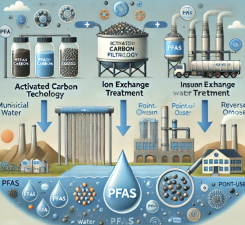
Traditional PFAS treatment methods, such as granular activated carbon, reverse osmosis and ion exchange, mainly capture the chemicals rather than destroy them. The new approach concentrates PFAS and then heats them to around 400-500C, which may break the strong carbon-fluorine bonds. The fluoride is trapped in the material and converted into calcium fluoride, which is considered safe for landfill disposal.
Industrial use and challenges
The material is described as a drop-in option that could work with existing filtration infrastructure. This could reduce cost barriers and make repeated use possible. Still, experts note that real-world deployment will require attention to scale, safety, regulation and permitting. The technology may be especially relevant for drinking water and wastewater treatment.
Last Modified: April 27, 2026