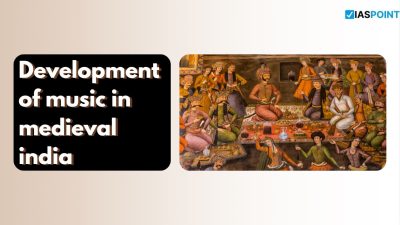
The development of music in medieval India reflects a rich tapestry of cultural influences. This period saw the fusion of various musical traditions shaped by regional, religious, and...
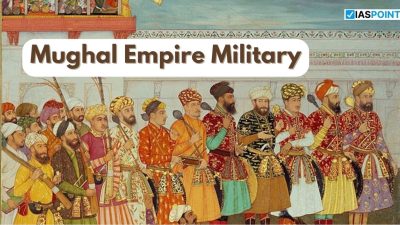
The Mughal army was essential for the establishment and expansion of the Mughal Empire in India from the 16th to the 18th centuries. Originating from Central Asia, the...
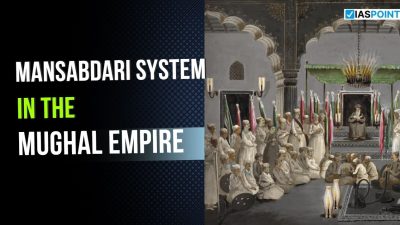
The Mansabdari system was an administrative framework established by Mughal Emperor Akbar in 1571. It was a grading system used to determine the rank, responsibilities, and remuneration of...
Sufism is a mystical Islamic belief system. It emphasises the inward search for God and shuns materialism. Sufi practitioners, known as Sufi Saints, seek a personal connection with...
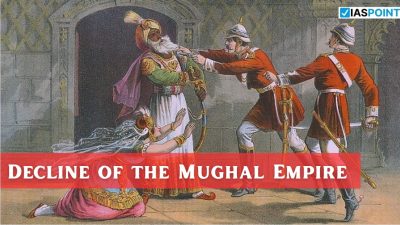
The period following Aurangzeb's death is marked by the rise of the Later Mughals. This era, lasting until approximately 1761 CE, is characterized by weakened central authority and...
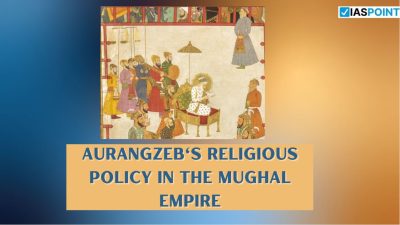
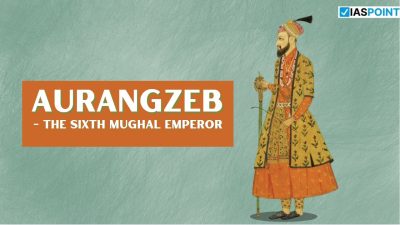
Aurangzeb, the sixth Mughal emperor, ruled from 1658 to 1707. He is often regarded as one of the most controversial figures in Indian history. His reign marked shift...
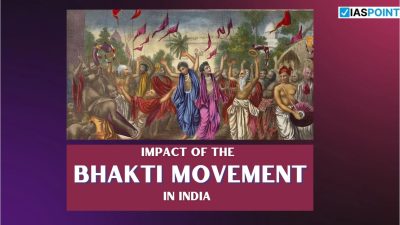
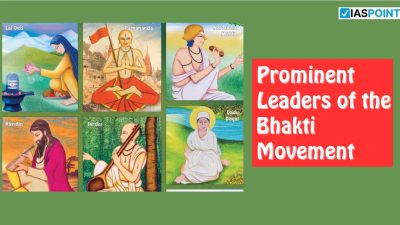
The Bhakti movement was socio-religious reform that emerged in India. It began in South India in the 9th century and spread across the country by the 16th century....
Aurangzeb was born on 3 November 1618 in Dahod. His father was Shah Jahan, the fifth Mughal emperor, and his mother was Mumtaz Mahal. He was the third...
The Bhakti Movement was religious reform movement in India, promoting devotion to a personal god. It emerged in various regions, influencing spirituality and social reform. Key leaders contributed...
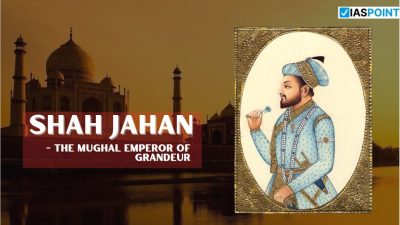
Shah Jahan, born on 5 January 1592, was the fifth Mughal Emperor, ruling from 1628 to 1658. He is renowned for his contributions to art and architecture, particularly...