Fundamental Rights are essential human rights enshrined in the Constitution of India. They are designed to ensure the dignity and liberty of individuals. These rights apply to all...
Citizenship refers to the legal status of a person as a member of a sovereign state. It grants individuals rights and responsibilities within that state. In India, citizenship...
India, officially known as Bharat, is defined as a Union of States. This concept marks the indissoluble nature of the Indian federation. Unlike a federation formed by an...
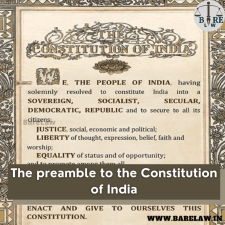
The American Constitution was the first to begin with a Preamble; India adopted this practice. The term "Preamble" refers to the introduction or preface to the Constitution. N....
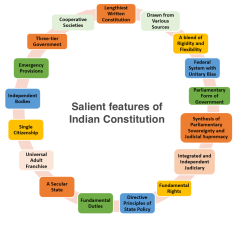
Constitution of India is renowned for its uniqueness, versatility, and comprehensive nature. As it stands today, it incorporates various features that make it distinct from other constitutions in...
The Constitution stands as a guiding framework for governance, society, and the aspirations of a newly independent nation. It is not merely a legal document but a moral...
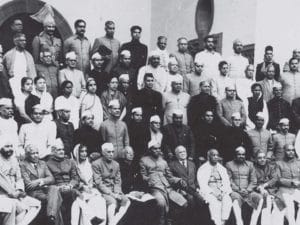
The idea of a Constituent Assembly was first proposed in 1934 by M.N. Roy, a prominent figure in the communist movement and a proponent of radical democratism. In...
The British arrived in India in 1600 as traders under the East India Company, which had exclusive trading rights granted by a charter from Queen Elizabeth I. In...