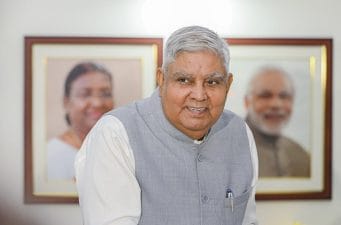
Article 63 of the Constitution of India provides that there shall be a Vice President of India. Articles 64 and 89(1) provides that the Vice President of India...
'The Council of Ministers functions on the principles of parliamentary features which are summed up as under: (a) Ministers have to be members of the parliament to be...
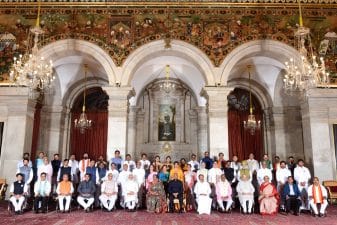
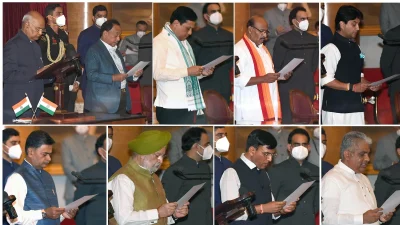
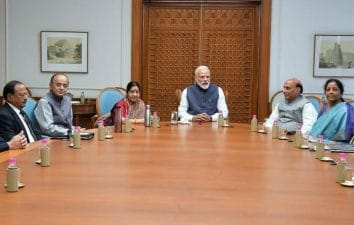
Article 74 and 75 deal with the Council of Ministers. Article 74 says that there shall be a Council of Ministers with the Prime Minister as its head...
As the President of India is a constitutional executive head, the real executive authority of the Union is exercised by the Prime Minister and his Council of Ministers....
'The office of the Deputy Prime Minister is not specified in the Constitution, although seven persons have occupied such a position since the commencement of the Constitution. Sardar...
Article 153 refers to the office of a Governor for each State whereas Article 154 says that all the executive powers of the State shall be vested in...
'The Council of Ministers at the national level works through committees. In addition to these committees, there is (a) the cabinet secretariat, (b) central secretariat, (c) the Prime...
Of all the organs of the government, the role of judiciary as the third organ is most important. The test of a democratic polity depends, as Bryce had...
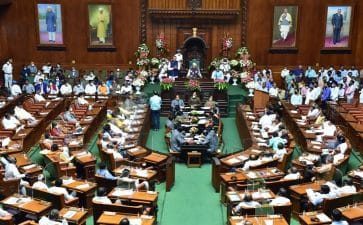
In each State of India, there is a provision for a legislature (Article 168). It consists of the Governor and a legislative assembly and legislative council if the...
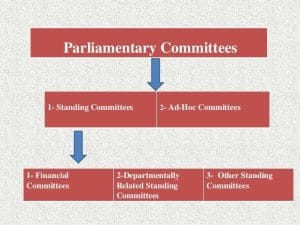
The two Houses of the Parliament work through committees. As per India, 2014 reference journal, the committees are: Broadly, Parliamentary Committees are of two kinds' Standing Committees and...