
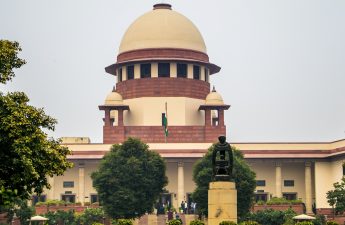
The Supreme Court of India has issued comprehensive directions to enhance road safety across the country. This move followed two tragic accidents in November 2025 in Phalodi (Rajasthan) and Rangareddy (Telangana), which resulted in 34 fatalities. The Court emphasised that expressways must not become “corridors of peril” due to administrative lapses or infrastructural deficiencies.
Right to Safe Passage under Article 21
The Court recognised the “Right to safe passage” on roads as an essential component of the “Right to Life” guaranteed under Article 21 of the Constitution. This interpretation places a positive obligation on the State to ensure safe road environments for all users, reinforcing the constitutional mandate for protection of life.
Key Directives for Highway Safety
- Ban on parking of heavy and commercial vehicles on National Highway carriageways or paved shoulders, except in designated bays or lay-bys.
- Removal of all unauthorised dhabas, eateries, and commercial structures within highway Right-of-Way areas within 60 days.
- Constitution of District Highway Safety Task Forces by District Magistrates in every district traversed by National Highways.
- Deployment of ambulances and recovery cranes at intervals not exceeding 75 kilometres along highways for prompt emergency response.
- Identification and publication of accident-prone “blackspots” within 45 days, followed by corrective measures such as improved lighting and signage within four months.
Role of National Highways Authority of India (NHAI)
The NHAI, along with other relevant agencies, is mandated to submit compliance reports within 75 days. The Supreme Court has scheduled a further hearing on the matter after two months to review progress and ensure implementation.
Significance of Highway Safety Measures
India’s National Highways form the backbone of the country’s transport infrastructure, covering over 150,000 kilometres. Road accidents are a major cause of fatalities, with over 150,000 deaths annually reported by the Ministry of Road Transport and Highways. The Supreme Court’s directions aim to reduce such incidents by addressing infrastructural and administrative gaps systematically. The Supreme Court’s recognition of safe road passage as a constitutional right aligns with global best practices in road safety governance. The establishment of dedicated safety task forces and emergency response mechanisms reflects a structured approach to reducing road accidents and fatalities.
Last Modified: April 24, 2026