
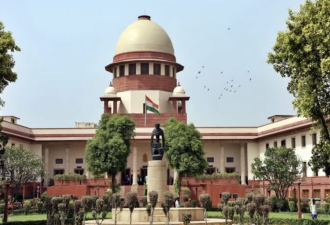
The Supreme Court has declined to interfere with the Bombay High Court’s order permitting the removal of 45,675 mangrove trees for the proposed Versova-Bhayandar coastal road in Mumbai. The project is part of the city’s coastal infrastructure expansion and has raised concerns over ecological loss, compensatory afforestation, and the protection of mangrove ecosystems. The court noted the public interest in easing traffic congestion on the Western Express Highway while also acknowledging the need to balance development with environmental safeguards.
Supreme Court’s View
A three-judge bench led by Chief Justice of India Surya Kant said the High Court had examined the environmental clearance for the first stage of the project before granting approval for the second stage. The bench observed that the project could have public benefit by decongesting the western corridor of Mumbai.
Environmental Concerns Raised
The petitioners argued that the proposed compensatory afforestation site was about 10 km away and was already being used for another afforestation programme. They contended that the arrangement was not true in-situ reforestation and would not adequately replace the mangroves being cut. They also said no expert body had assessed whether the number of trees proposed for removal could be reduced.
Project and Afforestation Conditions
The authorities informed the court that they were willing to comply with additional conditions to ensure survival of the new plantation and mangrove protection. The High Court had also required annual status and audit reports for 10 years to monitor plantation and maintenance. The court noted that compensatory afforestation was linked to the clearance conditions and that the project authorities had already initiated the process.
Why Mangroves Matter
Mangroves are considered vital natural buffers against flooding and coastal erosion. They also support biodiversity and absorb carbon at high levels. In Mumbai, they are especially important because they help reduce the impact of monsoon flooding and protect low-lying coastal areas.
Last Modified: April 29, 2026