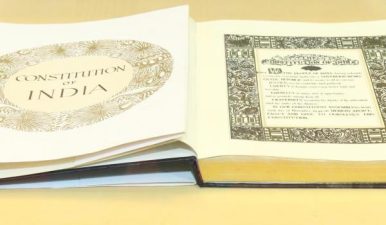
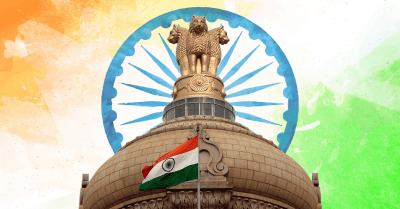
The Constitution of India is the supreme law of the country. It was adopted on 26th January 1950. The document outlines the framework for governance. It establishes fundamental rights and duties for citizens. The Constitution also defines the structure of government. It promotes justice, liberty, and equality. It reflects India's diverse culture and values. Amendments can be made to address changing needs.
The Constitution stands as a guiding framework for governance, society, and the aspirations of a newly independent nation. It is not merely a legal document but a moral...
After more than a year since the passage of the Criminal Procedure Identification Act (CrPI) in Parliament, the Indian government is preparing to launch 'DNA and Face Matching'...
The Supreme Court of India's consideration of appointing sign language interpreters for Constitution bench hearings to accommodate individuals with hearing impairments is a significant step towards enhancing accessibility...
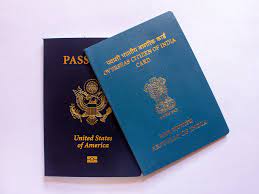
India has initiated the cancellation of the registration of over a dozen Overseas Citizenship of India (OCI) cardholders due to their involvement in pro-Khalistan activities and anti-India propaganda....
Opposition politicians have stirred a new controversy by posting images of an official invitation to a G20 dinner, hosted by “The President of Bharat” instead of the usual...
The Indian Constitution provides several fundamental rights and protections to citizens of India. One of the unique provisions provided in the Constitution is the immunity provided to Members...
The role of Governors in Indian states, as highlighted in cases like that of Kerala Governor Arif Mohammad Khan, raises critical concerns about the impact on India's federal...
The Constitution Day of India is being observed on November 26, 2020. The day mark the adoption of the Indian Constitution by the Constituent Assembly.Constitution Day of IndiaThe...
Every year, on April 14th, the birth anniversary of Dr. B R Ambedkar is observed. Recognized as the Father of the Indian Constitution and India's first Law Minister,...
Rishabhanatha, also known as Rishabhadeva or Adinatha (the First Lord), is recognized in Jaina theology as the first Tirthankara of the present half-cycle of time (Avasarpini). He is...