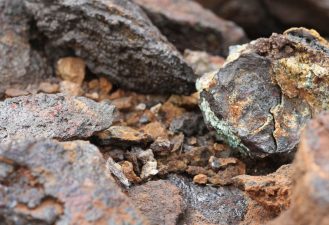
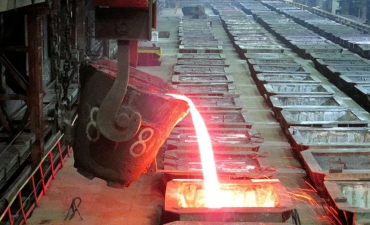
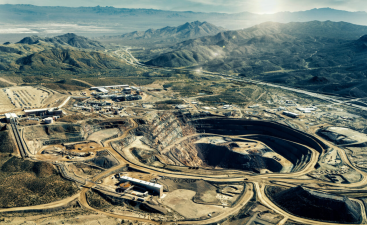
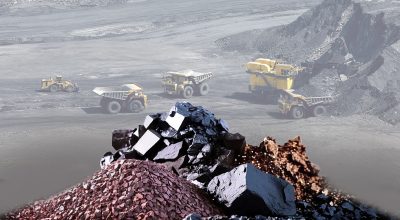
Critical minerals are essential for modern technology and renewable energy. They include lithium, cobalt, and rare earth elements. These minerals are crucial for batteries, electronics, and green technologies. Their supply chains are often vulnerable and geopolitically sensitive. Many countries, including India, are focusing on securing these resources for economic growth and technological advancement. The demand for critical minerals is expected to rise significantly.
India and Vietnam finalized a strategic trade roadmap on May 6, 2026, targeting a bilateral trade volume of 25 billion United States dollars by 2030. This development occurred...
The United States is backing the Phalaborwa Rare Earths Project in South Africa with a $50 million investment through the International Development Finance Corporation (DFC). This initiative aims...
India–Germany relations received a decisive boost following German Chancellor Friedrich Merz’s visit to India, his first trip to Asia since assuming office. Beyond defence and economic cooperation, the...
India’s clean energy transition now hinges on assured access to critical minerals and rare earths—inputs that are indispensable for batteries, electric vehicles, renewable energy systems and advanced electronics....
The global race for critical minerals has decisively moved beyond mining pits and factory floors. The real contest today is over the midstream — the processing and refining...
The strategic imperative of securing critical minerals for India's future has collided with environmental concerns in the Aravalli Hills, one of the world's oldest and most fragile mountain...
India’s critical minerals strategy has reached an inflection point. In June 2023, the government identified 30 critical minerals after a structured assessment of economic importance, strategic relevance, and...