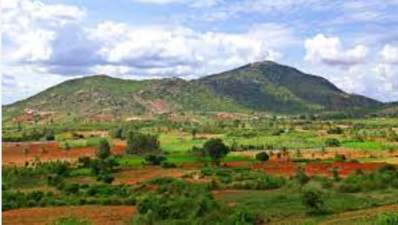
India is a vast country in South Asia. It boasts a rich tapestry of cultures and languages. The nation has a diverse geography, from the Himalayas to coastal plains. India is known for its historical landmarks, such as the Taj Mahal. Its economy is one of the largest in the world. The Constitution guarantees fundamental rights to its citizens.
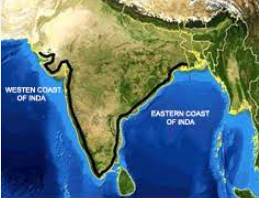
India, with its diverse geographical features, boasts a coastline that stretches approximately 7,517 kilometers, touching the Arabian Sea and the Bay of Bengal. The Indian coast is not...
The Mahanadi River, often referred to as the "River of Peninsular India," holds a pivotal place in the geographical and cultural landscape of the region. Originating from the...
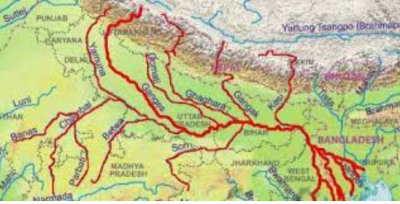
India is blessed with a rich and intricate network of rivers that crisscross the vast landscape, contributing significantly to the country's socio-economic and ecological fabric. The river system...
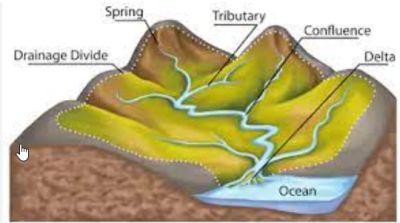
India, endowed with a complex network of rivers and drainage systems, is a land of diverse hydrological features. The drainage system of the country is broadly classified into...
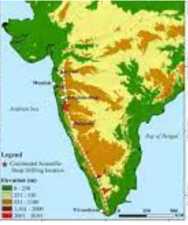
India, a land of diverse landscapes and cultures, is marked by a unique geographical feature—the Ghats. The Western Ghats and Eastern Ghats, running parallel along the western and...
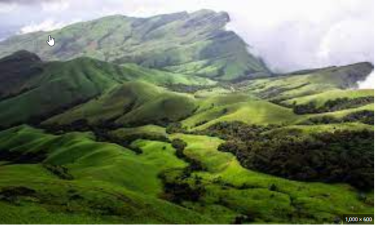
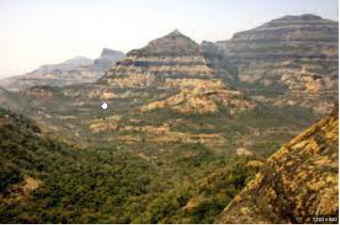
Nestled along the western coast of India, the Western Ghats form a majestic mountain range that spans six states – Gujarat, Maharashtra, Goa, Karnataka, Kerala, and Tamil Nadu....
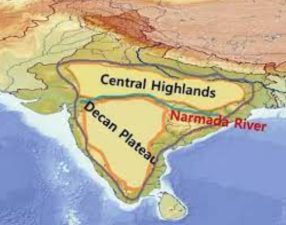
India, with its diverse landscapes, harbors a geographical marvel known as the Deccan Plateau. Spanning across the southern part of the Indian subcontinent, this elevated region is a...
The Central Highlands of India stand as a testament to the country's geographical diversity, offering a unique blend of topography, flora, and fauna. This vast region, encompassing states...
India's diverse landscape is a canvas painted with a myriad of geographical features, and at its heart lies the Peninsular Plateau, a geological marvel that holds immense significance...