
India is blessed with a rich and intricate network of rivers that crisscross the vast landscape, contributing significantly to the country’s socio-economic and ecological fabric. The river system in India is a lifeline, supporting agriculture, providing water for domestic and industrial use, and fostering diverse ecosystems.
The Himalayan River System
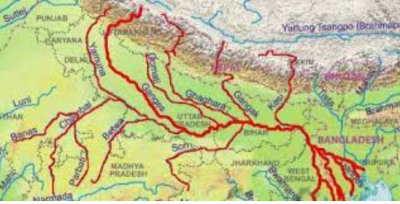
- The Ganges River: The Himalayan river system, often referred to as the ‘Ganga-Brahmaputra’ system, is the primary source of India’s major rivers. The Ganges, one of the holiest rivers in Hinduism, originates from the Gangotri Glacier in the Indian state of Uttarakhand. It flows through the northern plains, traversing states like Uttar Pradesh and Bihar, and eventually empties into the Bay of Bengal. The Ganges sustains a multitude of ecosystems and is deeply intertwined with the cultural and religious practices of the region.
- The Brahmaputra River: Originating in Tibet, the Brahmaputra flows through India, primarily through the northeastern states of Arunachal Pradesh and Assam, before entering Bangladesh and merging with the Ganges to form the world’s largest delta. The Brahmaputra plays a crucial role in supporting agriculture in the fertile plains of Assam and is vital for the socio-economic development of the region.
The Peninsular River System
- The Godavari River: Moving southwards, the peninsular rivers have their origins in the central and southern parts of the country. The Godavari, the second-longest river in India, originates in the state of Maharashtra and flows eastwards, traversing through states like Telangana and Andhra Pradesh. It is a vital water source for agriculture in the Godavari basin and supports diverse flora and fauna along its course.
- The Krishna River: Parallel to the Godavari, the Krishna River also originates in Maharashtra and flows through Karnataka and Andhra Pradesh before emptying into the Bay of Bengal. It is essential for irrigation and provides drinking water to numerous cities along its course.
The Western Ghats and Coastal Rivers
- The Western Ghats – Lifeline of the Deccan Plateau: The Western Ghats, a mountain range along the western coast of India, give rise to several west-flowing rivers that play a crucial role in sustaining life on the Deccan Plateau. These rivers, such as the Tungabhadra and the Kaveri, are integral to the agricultural practices of the region.
- The Narmada and Tapti Rivers: Originating in the central Indian highlands, the Narmada and Tapti rivers flow westwards, draining into the Arabian Sea. These rivers are known for their relatively shorter courses but are vital for the water needs of the regions they traverse.
Interlinking of Rivers: A Controversial Proposal
India’s ambitious plan to interlink rivers to address regional water scarcity and facilitate better distribution of water resources has been a topic of much debate. Proponents argue that it can mitigate the impact of droughts and floods, while critics express concerns about ecological disruptions and displacement of local communities.
Key Data: Major Rivers of India
| River | Length (km) | Source | Drainage Basin |
| Ganges | 2,525 | Gangotri Glacier, Uttarakhand | Bay of Bengal |
| Brahmaputra | 3,848 | Angsi Glacier, Tibet | Bay of Bengal |
| Godavari | 1,465 | Brahmagiri Range, Maharashtra | Bay of Bengal |
| Krishna | 1,400 | Mahabaleshwar, Maharashtra | Bay of Bengal |
| Narmada | 1,312 | Amarkantak Plateau, Madhya Pradesh | Arabian Sea |
| Tapti | 724 | Multai, Madhya Pradesh | Arabian Sea |
India’s river system is not just a network of water bodies; it is a reflection of the nation’s cultural, historical, and ecological diversity. These rivers are the lifeblood of the subcontinent, sustaining millions of people and fostering a vibrant ecosystem.
Last Modified: December 23, 2024