
The Gondwana Rock System is a major stratigraphic division of India, representing the Upper Palaeozoic to Mesozoic eras (spanning from the Carboniferous to the Jurassic/Cretaceous periods, approximately 300 to 140 million years ago). The name is derived from the Gond tribe of Madhya Pradesh, where these formations were first studied scientifically.
Tectonic Origin and Basin Formation
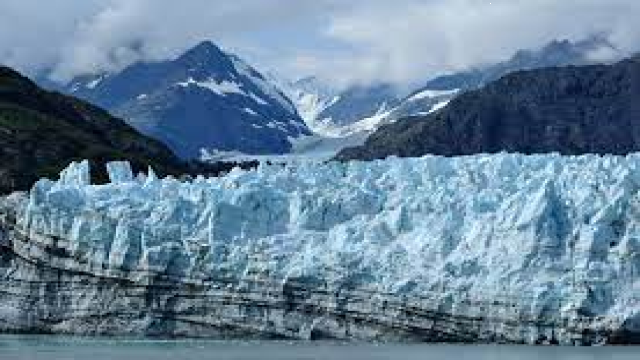
- Permo-Carboniferous Glaciation: The initiation of the Gondwana system is marked by a massive glacial event during the Late Carboniferous period. This left behind thick basal boulder beds (tillites) across the Indian peninsula.
- Trough Faulting and Rifting: Following the glaciation, extensive crustal sagging and sag-faulting occurred along linear zones of weakness in the Indian shield. This led to the formation of structural grabens (rift valleys).
- Fluviatile and Lacustrine Deposition: Fast-flowing river systems discharged massive amounts of terrestrial sediments, alongside vast quantities of plant debris, into these slowly sinking basins. Over millions of years, the accumulated organic matter underwent humification and carbonization under high pressure and temperature, resulting in India’s primary coal seams.
Classification and Stratigraphy of Gondwana Sediments
The Gondwana Rock System is traditionally classified into two major divisions based on distinct floral characteristics, though a tripartite classification (Lower, Middle, Upper) is also utilized by geologists.
Lower Gondwana System
This division is characterized by the dominance of the Glossopteris flora and reflects a cold, glacio-fluvial climate transitioning into a warm, humid environment.
- Talchir Series: The oldest formation, sitting directly on the Archean basement. It features a basal boulder bed of glacial origin (tillite), followed by greenish sandstones and shales.
- Damuda Series: The most economically valuable formation in India. It contains the thickest and highest-quality coal seams. It is further sub-divided into:
- Barakar Stage: Contains the richest coal seams (e.g., Jharia, Raniganj).
- Ironstone Shale Stage: Characterized by carbonaceous shales with iron ore nodules, lacking workable coal.
- Raniganj Stage: Comprises coal-bearing sandstones and shales, prominent in the eastern coalfields.
- Panchet Series: The youngest unit of the Lower Gondwana, consisting of green shales and sandstones, marking the decline of the Glossopteris flora.
Upper Gondwana System
This division is characterized by the Ptilophyllum (Parijat) flora and cycads, indicating a warm, tropical to subtropical climate with increasing aridity.
- Mahadeva Series: Composes thick, ferruginous sandstones and red clays found in the Satpura and Mahanadi ranges.
- Rajmahal Series: Formed by volcanic basaltic lava flows that interbedded with sedimentary traps, containing well-preserved plant fossils.
- Jabalpur and Umia Series: Represents the final phase of Gondwana sedimentation, consisting of sandstones, clays, and minor coal tracks, extending into the Cretaceous period.
Stratigraphic Summary Table
| Division | Major Series | Key Geological Formations | Dominant Flora/Fauna | Primary Economic Value |
| Lower Gondwana (Permo-Carboniferous) | Talchir, Damuda, Panchet | Raniganj, Barakar, Karharbari | Glossopteris, Gangamopteris | High-grade Bituminous Coal, Fireclay |
| Middle Gondwana (Triassic) | Mahadeva, Maleri, Parsora | Kamthi, Tiki | Dicroidium, Early Labyrinthodonts | Building Sandstones, Red Clays |
| Upper Gondwana (Jurassic to Cretaceous) | Rajmahal, Jabalpur, Umia | Bhuj beds, Sriperumbudur beds | Ptilophyllum, Cycads, Conifers | Low-grade Coal, Fireclay, Kaolin |
Geographic Distribution and Structural Relief
Gondwana rocks do not form a continuous landmass; instead, they occur in isolated, linear down-faulted troughs across the peninsular shield. The distribution strictly follows ancient river valley basins.
Major Basins and Regional Distribution
- Damodar Valley Basin: Located across Jharkhand and West Bengal. It holds the premier position for coal preservation due to deep faulting. Major fields include Jharia, Raniganj, Bokaro, Giridih, and Karanpura.
- Mahanadi Valley Basin: Spans parts of Chhattisgarh and Odisha. Key areas include Talcher, Ib River valley, and Korba.
- Son-Narmada Valley Basin: Located in Madhya Pradesh and southern Uttar Pradesh. It includes the Singrauli, Sohagpur, and Umaria coalfields.
- Godavari-Pranhita Valley Basin: Extends through Madhya Pradesh, Maharashtra, and Andhra Pradesh/Telangana. Important regions include Singareni, Wardha Valley, and Chanda.
- Extra-Peninsular Outliers: Patches of highly folded and sheared Gondwana sediments occur in the outer Himalayas, notably in Sikkim, Arunachal Pradesh, Bhutan, and the foothill zones of Assam.
- Coastal Gondwanas: Found as marine intercalations along the eastern coast of India, in patchworks stretching across Tamil Nadu, Andhra Pradesh, and Odisha.
Structural Relief and Topography
The topography of Gondwana terrain is defined by low, undulating hills, structural plains, and scarp landscapes. Because sandstones alternate with soft shales, differential weathering is common. The sandstones form prominent ridges and flat-topped plateaus, while the softer shales form wide, flat-bottomed valleys occupied by modern river systems.
Economic Significance and Mineral Wealth
The Gondwana Rock System is vital to India’s energy security and industrial raw material supply.
Coal Resources
- National Inventory: Gondwana rocks contain over 98% of India’s coal reserves and account for nearly 99% of national coal production.
- Coal Quality: The coal is predominantly Bituminous to Sub-Bituminous type. It is non-coking to medium-coking, with low sulphur content but relatively high ash content (varying from 15% to 40%).
- Industrial Utility: These reserves supply India’s thermal power plants, metallurgical industries (iron and steel manufacturing), cement plants, and brick kilns.
Non-Coal Economic Minerals
- Iron Ore: Siderite and limonite occur as ironstone shales within the Damuda series (particularly in the Auranga and Raniganj fields), previously used as low-grade iron ore.
- Clays and Refractories: Thick deposits of high-quality fireclay (essential for lining blast furnaces) and kaolin (china clay) occur alongside coal seams in the Rajmahal and Jabalpur series.
- Building Stones: Gondwana sandstones (such as those from the Kamthi and Mahadeva series) are durable, easily dressed, and widely used in structural engineering, monuments, and railway ballast.
Key Facts and Trivia for UPSC Prelims
Gondwana India vs. Gondwanaland
While the “Gondwana Rock System” refers specifically to the local sedimentary rock formations within the Indian subcontinent, “Gondwanaland” refers to the ancient southern supercontinent that included South America, Africa, Madagascar, India, Australia, and Antarctica before rifting apart.
Marine Transgressions
During the Upper Gondwana period, western and eastern coastal margins experienced localized marine incursions. This resulted in marine fossils (like Ammonites) being interbedded with terrestrial plant fossils in regions like Umia (Kutch, Gujarat) and Sriperumbudur (Tamil Nadu).
Absentee Anthracite
Although Gondwana holds the vast majority of India’s coal, it contains virtually no Anthracite (the highest grade of coal). India’s minor anthracite reserves are found in the tertiary rock systems of Jammu and Kashmir (Kalakot), where tectonic pressures from Himalayan mountain building carbonized the organic matter to a higher degree.
The Glossopteris Indicator
The fossil fern Glossopteris found in the Lower Gondwana rocks of India matches identical fossil discoveries in Australia, South Africa, and Antarctica. This served as a primary line of paleontological evidence used by Alfred Wegener to validate his Continental Drift Theory.
Last Modified: June 3, 2026