
In the Rigveda, the Sutlej River is recorded as Shutudri, meaning “flowing in a hundred branches,” while in later classical Sanskrit literature it is known as Satadru. Ancient Greek accounts during Alexander the Great’s campaigns refer to it as Zaradrus or Hesidros.
Trans-Himalayan Origin and Source Glaciers
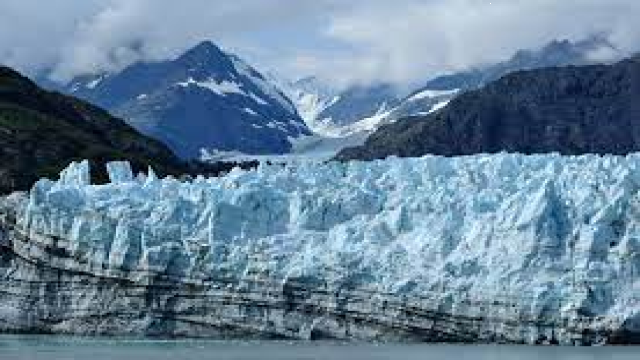
The Sutlej is an antecedent trans-Himalayan river that originates outside the territorial boundaries of India. Its source is the Rakas Lake (Lake Rakshastal), located in the Tibet Autonomous Region of China, at an elevation of approximately 4,570 meters. Rakas Lake is hydrologically connected to the sacred Lake Manasarovar via the Ganga Chhu channel. The upper catchment of the river is fed by glacial meltwater from the Kailash Range. In Tibet, the river is known by its indigenous name, Langqên Zangbo (meaning Elephant River).
Entry into India and Deep Gorges
The river flows northwestward through Tibet before entering India near Shipki La pass at an altitude of approximately 3,000 meters in the Kinnaur district of Himachal Pradesh. While crossing the Greater Himalayas, it carves out spectacular, near-vertical gorges, including the deep canyons of Shimla and the Bilaspur hills. It cuts across the Zanskar, Great Himalayan, and Dhauladhar mountain ranges.
Trajectory through Punjab Plains and Confluence
After flowing through the alpine valleys of Kinnaur, Shimla, Kullu, Mandi, Solan, and Bilaspur in Himachal Pradesh, the Sutlej breaches the Shiwalik hills at the Bhakra Gorge. Here, it enters the plains of Punjab at Nangal. It flows westward, receiving the Beas River at Harike Wetland in the Ferozepur district. Moving southwestward, it forms the international boundary between India and Pakistan for nearly 120 kilometers along the borders of Ferozepur and Fazilka districts. It then enters Pakistan to merge with the Chenab River, forming the Panjnad (Five Rivers), which ultimately joins the Indus River at Mithankot.
Hydrological and Basin Parameters
| Parameter | Technical Details |
| Total Length | Approximately 1,450 km (approx. 1,050 km flows within India) |
| Catchment Area in India | Around 28,091 square kilometers |
| Riparian States/UTs | Himachal Pradesh, Punjab, Jammu and Kashmir (indirectly via tributaries) |
| Physiographic Zones Covered | Tibetan Plateau, Greater Himalayas, Lesser Himalayas, Shiwalik Range, and Indo-Gangetic Plains |
| Terminal Confluence | Merges with the Chenab River at Uch Sharif, Pakistan to form the Panjnad |
Tributaries of the Sutlej River
Right Bank Tributaries
- Spiti River: The largest and most critical right-bank tributary. It originates from the Kunjum Range and drains the high-altitude cold desert region of Spiti before merging with the Sutlej at Khab in Kinnaur.
- Ropa Khad: A glacial stream that flows through the Ropa Valley of Kinnaur and joins the main river downstream of Khab.
- Teti Khad: An alpine torrent draining the northern slopes of the Kinnaur Kailash range.
- Kashang Khad: A high-gradient stream notable for its steep drops, utilized for run-of-the-river power generation.
Left Bank Tributaries
- Baspa River: A major left-bank tributary that originates from the Indo-Tibetan border snowfields and flows through the fertile Sangla Valley (Baspa Valley) before meeting the Sutlej at Karcham.
- Nogli Khad: Joins the Sutlej near Rampur Bushahr in Shimla district, draining the lower Himalayan ridges.
- Sohan (Swan) River: Often called the “Sorrow of Una,” this seasonal river originates in the Shiwalik hills of Himachal Pradesh and joins the Sutlej in the Punjab plains.
Multipurpose River Valley Projects and Hydropower Potential
The steep gradient and immense glacial volume of the Sutlej River make it the backbone of India’s hydroelectric and irrigation infrastructure.
Bhakra-Nangal Project
One of the earliest and largest multipurpose river valley schemes undertaken after India’s independence.
- Bhakra Dam: A concrete gravity dam constructed across the Sutlej in the Bilaspur district of Himachal Pradesh. Its reservoir forms the massive Gobind Sagar Lake, which stands as India’s third-largest reservoir by capacity.
- Nangal Dam: Located 13 kilometers downstream of Bhakra Dam in Punjab, it acts as a balancing reservoir and diverts water into the Bhakra Main Line Canal system.
Nathpa Jhakri Hydroelectric Station
A mega 1,500 MW run-of-the-river power plant located in Himachal Pradesh between Nathpa in Kinnaur and Jhakri in Shimla. It features one of the longest underground desilting chambers and power tunnels in the world to manage the heavy silt load of the Sutlej.
Karcham Wangtoo Hydroelectric Plant
A 1,000 MW run-of-the-river private sector power plant located upstream of Nathpa Jhakri, utilizing the combined flows of the Sutlej and Baspa rivers in Kinnaur district.
Kol Dam Hydroelectric Power Project
An 800 MW rock-fill dam located upstream of the Bhakra reservoir in the Bilaspur district, operated by the National Thermal Power Corporation (NTPC) to act as a crucial grid stabilizer.
Luhri Hydroelectric Project
A cascading run-of-the-river development project divided into multiple stages to harness the middle course of the Sutlej River near Shimla and Mandi districts.
Geopolitical Context: Indus Waters Treaty (1960)
Sovereign Rights of India
Under the Indus Waters Treaty negotiated via the World Bank, the Sutlej is classified as one of the three Eastern Rivers (along with the Ravi and Beas). The treaty grants India exclusive rights for the unrestricted use of all waters from the Eastern Rivers.
Strategic Infrastructure Adjustments
Because India enjoys full sovereign rights over the Sutlej, it has built extensive canal links to divert water eastward into arid states. The Sutlej-Yamuna Link (SYL) Canal is a long-contested 214-kilometer canal project designed to share Haryana’s allocated portion of these waters, though its construction in Punjab remains halted due to interstate political deadlocks.
Civilizational and Ecological Infrastructure
Harike Wetland (Ramsar Site)
The confluence of the Sutlej and Beas rivers creates the Harike Wetland and Bird Sanctuary. This ecosystem is a designated Ramsar site of international importance and acts as a key habitat for endangered freshwater species, including the smooth-coated otter and the rare Indus river dolphin.
The Indira Gandhi Canal System
The water impounded at Harike Barrage feeds the Indira Gandhi Canal (originally known as the Rajasthan Canal). Stretching over 650 kilometers, it is the longest canal system in India. It carries the waters of the Sutlej and Beas deep into the Thar Desert, transforming agricultural practices in the dry border districts of Sri Ganganagar, Bikaner, Hanumangarh, and Jaisalmer.
The Sirhind Canal
One of the oldest and largest canal networks in the Indus basin, originating from the Sutlej River at Ropar, Punjab. It irrigates millions of hectares of agricultural land in the Malwa region of Punjab.
High-Yield Trivia for Prelims Focus
Geomorphic Nature
The Sutlej is an antecedent river, meaning it existed before the Himalayan mountains uplifted. As the mountains rose, the river maintained its course by cutting deep gorges, exposing the geological stratifications of the Greater Himalayan crystalline complex.
Paleo-Channel Links
Geological evidence suggests that the Sutlej River was once a major tributary of the ancient Sarasvati River system. Tectonic shifts and structural uplifts in the Yamuna tear zone deflected the Sutlej westward into the Indus basin, leading to the gradual drying up of the Sarasvati network in the Thar Desert.
Highest Bridge Benchmark
The Kandror Bridge in Bilaspur, spanning across the Sutlej River, was once one of the highest arched bridges in Asia and remains an essential link on the National Highway 21.
Siltation Challenges
Due to heavy glacial erosion in Tibet and the fragile geomorphology of Kinnaur (compounded by flash floods such as the Pareechu lake outburst), the Sutlej carries an exceptionally high volume of abrasive quartz silt, requiring specialized technical filtration in all its downstream power stations.
Last Modified: June 5, 2026