
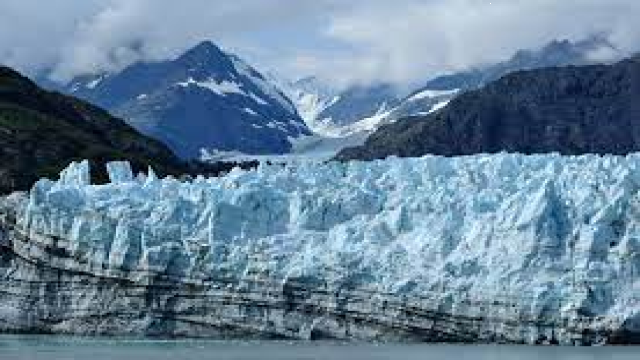
The Himalayan river systems are perennial, fed both by melting snow and glaciers during summer and by rainfall during the monsoon. These rivers form deep gorges, V-shaped valleys, rapids, and waterfalls in their upper courses. In the plains, they exhibit depositional features like meanders, oxbow lakes, and braided channels. The three primary systems are the Indus, the Ganga, and the Brahmaputra systems, which drain a significant portion of the Indian subcontinent.
The Indus River System
Origin and Glacial Sources
The Indus River, known as the Singi Khamban (Lion’s Mouth) in Tibet, originates from a glacier near Bokhar Chu in the Kailash Mountain Range at an altitude of 4,164 meters. It flows northwest between the Ladakh and Zanskar ranges before cutting through the Ladakh range.
Primary Tributaries and Their Sources
The Indus system comprises major Himalayan tributaries that originate across different ranges of the Western Himalayas.
- Jhelum: Originates from a magnificent spring at Verinag, situated at the foot of the Pir Panjal range in the southeastern part of the Valley of Kashmir. It flows through Wular Lake before entering Pakistan.
- Chenab (Asikni): Formed by two streams, the Chandra and the Bhaga, which join at Tandi near Keylong in Himachal Pradesh. The Chandra originates near the Zojila Pass, while the Bhaga originates near the Baralacha Pass.
- Ravi (Parushni): Originates near the Rohtang Pass in the Kullu hills of Himachal Pradesh and flows through the Chamba valley.
- Beas (Vipasa): Originates from the Beas Kund near the Rohtang Pass at an elevation of 4,060 meters. It flows through the Kullu valley and meets the Satluj at Harike in Punjab.
- Satluj (Shutudri): Originates from the Rakas Lake (Langqen Tsangbod) near Lake Manasarovar in Tibet at an altitude of 4,555 meters. It enters India through the Shipki La pass in Himachal Pradesh.
Key Trans-Himalayan Tributaries of the Indus
- Shyok: Originates from the Rimo Glacier, one of the tongues of the Siachen Glacier. Known as the “River of Death.”
- Gilgit: Originates from the Shandur Lake area, draining the Hindu Kush range.
- Zanskar: Formed by the confluence of the Doda and Tsarap Lingti rivers in the Zanskar region of Ladakh.
The Ganga River System
The Panch Prayag and Initial Confluences
The Ganga river system is formed by the confluence of two main headstreams: the Alaknanda and the Bhagirathi. The network of confluences in Uttarakhand is crucial for understanding its origin.
| Prayag (Confluence) | River 1 | River 2 | Glacial/Geographical Source |
| Vishnuprayag | Alaknanda | Dhauliganga | Alaknanda from Satopanth Glacier; Dhauliganga from Niti Pass |
| Nandaprayag | Alaknanda | Mandakini | Mandakini (Nandakini) from Gopalgarh hills |
| Karnaprayag | Alaknanda | Pindar | Pindar River from Pindari Glacier |
| Rudraprayag | Alaknanda | Mandakini | Mandakini (Kali Ganga) from Chorabari Glacier near Kedarnath |
| Devprayag | Alaknanda | Bhagirathi | Bhagirathi from Gangotri Glacier (Gaumukh) |
Major Himalayan Tributaries of Ganga
- Yamuna: The longest tributary of the Ganga, it originates from the Yamunotri Glacier on the southwestern slopes of the Banderpooch peaks in the Mussoorie range of the Lower Himalayas.
- Ramganga: Originates from the Garhwal hills near Gairsain and flows through the Corbett National Park.
- Ghaghara: Originates from the Mapchachungo Glaciers near Manasarovar in Tibet. Its tributaries include the Sarda (Sharda/Kali), which originates in the Milam Glacier of the Kumaon Himalayas.
- Gandak: Formed by the union of the Kali Gandak and Trishuli rivers, which rise in the Tibetan borderland of the Mustang region.
- Kosi (Saptakosi): An antecedent river originating north of Mount Everest in Tibet, where its main stream is the Arun. It is known as the “Sorrow of Bihar.”
The Brahmaputra River System
Origin and Course in Tibet
The Brahmaputra, known as the Tsangpo (The Purifier) in Tibet, originates from the Chemayungdung Glacier of the Kailash Range near Lake Manasarovar at an elevation of 5,150 meters. It flows eastward parallel to the Himalayas before taking a sharp southward U-turn at Namcha Barwa.
Entry into India and Tributaries
The river enters India west of Sadiya town in Arunachal Pradesh under the name Siang or Dihang. It becomes the Brahmaputra after joining the Dibang and Lohit rivers.
Primary Himalayan Tributaries
- Subansiri: A trans-Himalayan antecedent river originating in Tibet.
- Kameng: Originates from the glacial lake below Mount Nyegi Kangsang in the Eastern Himalayas.
- Manas: An antecedent river that originates in Tibet, flowing through Bhutan before entering Assam.
- Sankosh: Originates in northern Bhutan and forms the boundary between Assam and West Bengal.
- Teesta: Originates from the Tso Lhamo (Cho Lhamo) Lake / Pahunri Glacier in North Sikkim. It was formerly a tributary of the Ganga but shifted its course to join the Brahmaputra after the floods of 1787.
Summary Matrix of Himalayan River Sources
| River | Glacial/Mountain Source | Elevation of Origin (Approx.) | State/Region of Origin |
| Indus | Bokhar Chu Glacier (Kailash Range) | 4,164 m | Tibet (Autonomous Region of China) |
| Jhelum | Verinag Spring (Pir Panjal Range) | – | Jammu and Kashmir, India |
| Chenab | Bara Lacha Pass (Chandra & Bhaga streams) | 4,891 m | Himachal Pradesh, India |
| Ravi | Rohtang Pass (Kullu Hills) | – | Himachal Pradesh, India |
| Beas | Beas Kund (Rohtang Pass) | 4,060 m | Himachal Pradesh, India |
| Satluj | Rakas Lake (Rakshas Tal) | 4,555 m | Tibet (Autonomous Region of China) |
| Bhagirathi | Gangotri Glacier (Gaumukh) | 3,892 m | Uttarakhand, India |
| Alaknanda | Satopanth Glacier & Bhagirath Kharak Glacier | 3,800 m | Uttarakhand, India |
| Yamuna | Yamunotri Glacier (Banderpooch Peak) | 6,387 m | Uttarakhand, India |
| Brahmaputra | Chemayungdung Glacier | 5,150 m | Tibet (Autonomous Region of China) |
Key Geographical and Hydrological Trivia for UPSC
Antecedent Drainage System
Several Himalayan rivers are older than the Himalayan mountains themselves. As the Himalayas rose due to tectonic activity, rivers like the Indus, Satluj, Brahmaputra, Subansiri, Arun, and Gandak cut through the rising mountain ranges, maintaining their original channels and forming deep, vertical-walled gorges.
River Captures and Course Shifts
The Himalayan drainage system has witnessed major structural transformations. The historical Siwalik or Indo-Brahma river once flowed from Assam to the Arabian Sea. Tectonic disturbances upraised the Potwar Plateau (Delhi Ridge), disrupting this system and splitting it into the independent Indus and Ganga systems. The Malda Gap creation further diverted the Ganga and Brahmaputra toward the Bay of Bengal.
Glacial Retreat Impacts
The Gangotri Glacier, which feeds the Bhagirathi, and the Rimo Glacier, which feeds the Shyok, are undergoing significant retreat due to rising global temperatures. This creates localized proglacial
Last Modified: June 4, 2026