
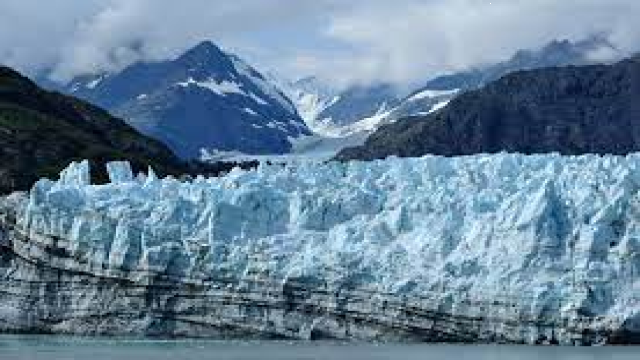
The Ganga originates as the Bhagirathi River from the Gaumukh snout of the Gangotri Glacier in the Uttarkashi district of Uttarakhand, at an altitude of approximately 3,892 meters. The other primary headwater is the Alaknanda River, which rises from the Satopanth Glacier above Badrinath.
The Panch Prayag Confluence System
The upper course of the Ganga is characterized by a series of sacred confluences known as the Panch Prayag, situated within Uttarakhand. The Alaknanda River acts as the main hydrological axis for these confluences.
| Prayag (Confluence) | Rivers Merging | Key Fact / Significance |
| Vishnuprayag | Alaknanda + Dhauliganga | Marks the entry of the system into the Lesser Himalayas near Joshimath. |
| Nandaprayag | Alaknanda + Mandakini (Nandakini) | Drains the western slopes of the Trishul massif. |
| Karnaprayag | Alaknanda + Pindar River | The Pindar River originates from the Pindari Glacier of Kumaon region. |
| Rudraprayag | Alaknanda + Mandakini (Kali Ganga) | The Mandakini flows past Kedarnath before this confluence. |
| Devprayag | Alaknanda + Bhagirathi | The river takes the official name ‘Ganga’ from this point onward. |
Entry into the Plains
After flowing through narrow Himalayan gorges, the Ganga breaches the Shiwalik Range and enters the Indo-Gangetic plains at Haridwar, Uttarakhand. From Haridwar, it flows south and then south-east across the states of Uttar Pradesh, Bihar, and West Bengal.
Hydrological and Basin Parameters
Geographic Dimensions
The Ganga is the longest river entirely within India, flowing across a distance of 2,525 kilometers.
Basin Share and Coverage
The Ganga basin is the largest river basin in India, covering approximately 8,61,452 square kilometers, which accounts for nearly 26.3% of the country’s total geographical area. The basin extends across 11 states and union territories: Uttarakhand, Uttar Pradesh, Bihar, West Bengal, Delhi, Haryana, Himachal Pradesh, Rajasthan, Madhya Pradesh, Chhattisgarh, and Jharkhand.
Right-Bank Tributaries of the Ganga
The Yamuna River
The Yamuna is the longest and most important right-bank tributary of the Ganga.
- Origin: It rises from the Yamunotri Glacier on the bandarpunch slopes of the Lesser Himalayas in Uttarakhand.
- Course: It flows parallel to the Ganga for 1,376 km and merges with it at Prayagraj (Triveni Sangam).
- Non-Peninsular Tributaries: Tons (largest tributary of Yamuna, originating from Bandarpunch), Hindon, and Giri.
- Peninsular Tributaries: Chambal (originates near Mhow, Malwa Plateau; famous for badland topography), Sind, Betwa (originates in Vindhyan range), and Ken.
The Son River
The Son is a large peninsular right-bank tributary that joins the Ganga near Patna, Bihar.
- Origin: It originates from the Amarkantak Plateau in Madhya Pradesh, running close to the origin of the Narmada River.
- Major Tributaries: Rihand River (on which the Govind Ballabh Pant Sagar reservoir is built) and the North Koel River.
The Damodor River
Though technically a tributary of the Hugli distributary, it forms a critical component of the lower Ganga basin drainage.
- Origin: It rises in the Chota Nagpur Plateau of Jharkhand.
- Characteristics: Known historically as the “Sorrow of Bengal” due to frequent floods, it is now regulated by the Damodar Valley Corporation (DVC) reservoirs.
Left-Bank Tributaries of the Ganga
Ramganga
Originates in the Garhwal hills near Gairsain and passes through the Jim Corbett National Park before joining the Ganga near Kannauj, Uttar Pradesh.
Gomti
A groundwater-fed alluvial river that originates from Gomat Taal (Fulhar Jheel) in Pilibhit, Uttar Pradesh. It passes through Lucknow and enters the Ganga near Ghazipur.
Ghaghara
A trans-Himalayan river originating near the Mapchachungo Glacier in Tibet. It cuts a deep gorge at Shishapani and is joined by the Sharda (Kali/Mahakali) River at Brahmaghat before merging with the Ganga at Chhapra, Bihar.
Gandak
Formed by the confluence of the Kali Gandak and Trishuli rivers in Nepal. It enters the Indian plains at Valmikinagar (near Valmiki National Park) and joins the Ganga at Sonpur, near Patna.
Burhi Gandak
Flows parallel to the eastern bank of the Gandak River. It originates from the Chautarwa Chaur in West Champaran and joins the Ganga opposite Khagaria.
Kosi
A antecedent trans-boundary river known as the “Sorrow of Bihar” due to its severe avulsion (frequent shifting of course). It is formed by seven upper catchments (Sapt Kosi) in Nepal and Tibet and joins the Ganga near Kursela, Kathihar.
Mahananda
The easternmost left-bank tributary of the Ganga within India. It originates from the Paglajhora Falls on the Dow Hill of the Darjeeling Himalayas and joins the Ganga in Bangladesh.
The Deltaic Course and Bifurcation
Farakka Barrage
In the Murshidabad district of West Bengal, the Ganga reaches its apex point of bifurcation at the Farakka Barrage. Here, the river splits into two primary arms:
- The Hugli River: The western distributary, which flows southward through West Bengal, passes Kolkata, and empties into the Bay of Bengal near Sagar Island.
- The Padma River: The main branch, which enters Bangladesh and flows southeastward.
Confluence with the Brahmaputra and Meghna
In Bangladesh, the Padma River is joined by the Jamuna River (the main distributary of the Brahmaputra). Further downstream, it merges with the Meghna River system. The combined river volume discharges into the Bay of Bengal under the name Meghna.
The Sundarbans Delta
The combined deposition of sediment by the Ganga, Brahmaputra, and Meghna rivers forms the Sundarbans Delta, the largest and fastest-growing mangrove delta in the world, home to the Royal Bengal Tiger and a designated UNESCO World Heritage Site.
Major Hydraulic Structures and Engineering Projects
National Waterway 1 (NW-1)
The stretch of the Ganga-Bhagirathi-Hugli river system from Prayagraj to Haldia (1,620 km) is designated as National Waterway 1, serving as a vital inland cargo transport corridor under the Jal Marg Vikas Project.
Tehri Dam Project
A rock-fill earth dam constructed on the Bhagirathi River in Uttarakhand. It is one of the highest dams in the world, providing hydropower generation (2,400 MW complex) and drinking water to Delhi and Uttar Pradesh.
Haridwar and Kanpur Barrages
- Bhimgoda Barrage (Haridwar): Diverts water from the Ganga into the Upper Ganges Canal, which irrigates the highly fertile Doab region of western Uttar Pradesh.
- Kanpur Barrage: Acts as a major urban water-supply balancing structure on the middle course of the river.
Environmental, Ecological, and Strategic Profile
National River Declaration
The Government of India declared the Ganga as the “National River of India” in 2008 to fast-track its conservation and rejuvenation frameworks.
Namami Gange Programme
An Integrated Conservation Mission launched by the Central Government with a 100% funding model to accomplish the twin objectives of effective abatement of pollution and conservation of the national river. It works via the National Ganga Council (NGC), headed by the Prime Minister.
Flagship Aquatic Fauna
- Ganges River Dolphin (Platanista gangetica gangetica): The official National Aquatic Animal of India. It is a blind, freshwater cetacean that relies on echolocation to navigate and hunt. It is classified as Endangered on the IUCN Red List and is an indicator species for river ecosystem health.
- Gharial (Gavialis gangeticus): Found in cleaner tributaries like the Chambal and Son, this critically endangered crocodilian relies on the sandy banks of the basin for nesting.
High-Yield Prelims Trivia
- Self-Purifying Property: The Ganga possesses a unique ability to retain high dissolved oxygen levels and resist putrefaction due to the presence of bacteriophages (viruses that target and destroy harmful bacteria) and specific mineral-rich sediment combinations from its upper Himalayan course.
- Antecedent Nature: The core headwaters of the Ganga system (like the Alaknanda and Kosi) are older than the Himalayas themselves, maintaining their paths by carving steep valleys as the mountain chains rose.