
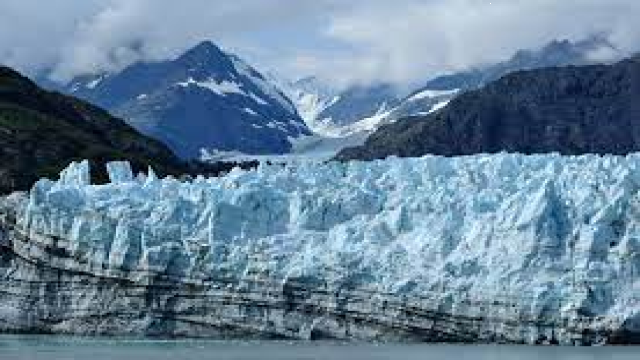
A cold wave is a meteorological phenomenon characterized by a rapid and pronounced fall in air temperature, resulting in extreme cold conditions that impact public health, agriculture, and livestock. In the context of the Natural Hazards and Disaster Geography of India, cold waves primarily affect the northern, north-western, central, and eastern regions during the winter months from December to February.
Scientific Criteria for Declaring a Cold Wave
The India Meteorological Department (IMD) establishes specific quantitative thresholds for declaring cold waves, which vary based on the geographical terrain and historical temperature normals of a region.
Core Threshold for the Plains
A cold wave is considered only if the actual minimum temperature of a station in the plains drops to 10°C or less.
Based on Deviation from Normal Temperature (For Plain Stations)
- Cold Wave: The departure of minimum temperature from its normal is 4.5°C to 6.4°C.
- Severe Cold Wave: The departure of minimum temperature from its normal is greater than 6.4°C.
Based on Actual Minimum Temperature (For Plain Stations)
- Cold Wave: When the actual minimum temperature stays ≤ 4°C, regardless of the normal deviation.
- Severe Cold Wave: When the actual minimum temperature stays ≤ 2°C.
Criteria for Hilly Regions
For stations located in hilly terrains, a cold wave is declared if the minimum temperature falls to 0°C or less, and the departure from normal is 4.5°C to 6.4°C.
Associated Winter Phenomena: Ground Frost and Cold Day
- Ground Frost: Occurs when the temperature of the air in contact with the ground falls below the freezing point (0°C), causing water vapor to sublime directly into ice crystals on plant leaves and soil surfaces.
- Cold Day: Declared when the minimum temperature is ≤ 10°C in the plains, and the maximum daytime temperature shows a departure of -4.5°C to -6.4°C from the normal.
Synoptic Atmospheric Mechanisms Driving Cold Waves
The onset of severe winter chill over Northern India is driven by a combination of large-scale atmospheric circulations and localized geographical factors.
Western Disturbances (WDs)
Western Disturbances are non-monsoonal extra-tropical cyclonic storms originating over the Mediterranean Sea region. They travel eastward embedded in the subtropical westerly jet stream. When they strike the Western Himalayas, they cause heavy snowfall and rain. The clearance of a Western Disturbance leaves behind a moisture-laden atmosphere and clear skies, triggering rapid radiational cooling of the earth’s surface at night.
Advection of Siberian Air Masses and Jet Streams
The shifting of the Subtropical Westerly Jet Stream southward over the Indo-Gangetic plains acts as a conduit for cold air transport. Dry, freezing northwesterly winds advect from the high-latitude Siberian high-pressure system, traversing across Central Asia, Afghanistan, and Pakistan to invade Northern India.
Presence of Extensive Fog Cover
Thick strata of persistent daytime fog (radiation fog and advection fog) over the Indo-Gangetic plains block solar insolation from reaching the surface. This creates a feedback loop where the earth cannot warm up during the day, maintaining low temperatures over consecutive days.
Snow-Covered Himalayan Slopes
The vast snow cover on the Western Himalayan ranges acts as a secondary source of cold air. Winds blowing down these slopes (katabatic winds) transport sensible cold into the low-lying northern plains.
Spatial Distribution and Hazard Zones in India
The vulnerability to cold waves is geographically concentrated above the Tropic of Cancer, dictated by continentality and proximity to the Himalayas.
High-Vulnerability Zones
- North-West India: Jammu & Kashmir, Ladakh, Himachal Pradesh, Uttarakhand, Punjab, Haryana, Rajasthan, and Delhi.
- Central India: Madhya Pradesh, Chhattisgarh, and the Vidarbha region of Maharashtra.
- East & Indo-Gangetic Plains: Uttar Pradesh, Bihar, Jharkhand, and West Bengal.
Macro-Regional Variations
While Northern India faces severe continental cold drops, Peninsular India remains largely insulated from cold waves due to the moderating maritime influence of the Arabian Sea and the Bay of Bengal, alongside the barrier effect of the Vindhya and Satpura mountain ranges.
Socio-Economic, Agricultural, and Ecological Impacts
Public Health and Mortality
Cold waves induce hypothermia, frostbite, and exacerbate respiratory diseases like bronchitis, asthma, and cardiovascular issues (strokes and heart attacks rise due to vasoconstriction). The homeless demographic and outdoor daily-wage laborers face the highest mortality risks.
Agricultural Loss and the Frost Phenomenon
Extreme cold drops cause cellular freezing in plants. Ground frost leads to the freezing of water inside the plant tissues, bursting cell walls and causing the death of the plant—a condition known as frost injury.
- Vulnerable Crops: Mustard, gram, peas, potato, and tomato face extensive damage.
- Impact on Horticulture: Young plantations of citrus fruits and mangoes suffer severe canopy scorching.
Energy Sector Disruption
The demand for space-heating appliances causes a significant surge in power consumption across northern cities. Additionally, heavy fog associated with cold waves reduces visibility to near zero, causing massive delays, cancellations, and accidents in rail, road, and air transport systems.
Management Framework and Institutional Response
Cold wave mitigation in India is structured under the National Disaster Management Authority (NDMA) guidelines, executing coordinated actions through state and district administrations.
Early Warning Systems and Color-Coded Alerts
The IMD monitors the progression of Western Disturbances and issues impact-based winter weather warnings through a 4-tier color code:
| Alert Level | Atmospheric Condition | Expected Administrative Response |
| Green (No Action) | Normal winter temperatures. | Continuous monitoring. |
| Yellow (Be Updated) | Expected cold wave conditions isolated pockets for 2 days. | Keep emergency infrastructure on standby. |
| Orange (Be Prepared) | Severe cold wave conditions over a large area or persisting for more than 2 days. | Activation of night shelters, distribution of blankets, and issuing public health advisories. |
| Red (Take Action) | Continuous severe cold wave conditions for more than 4 days or extreme fog blocking sunlight. | Emergency interventions, closing of educational institutes, and dynamic shift in power grid allocations. |
Structural and Non-Structural Interventions
- Creation of Urban Night Shelters (Rain Baseras): Provision of heated public shelters with sanitation facilities for urban homeless populations.
- Agricultural Mitigation: Farmers are advised to practice light evening irrigation of fields during frost alerts. The high specific heat capacity of water keeps the micro-climate around the crops slightly warmer, preventing frost formation.
- Creation of Smoke Barriers: Controlled burning of organic farm waste around the periphery of fields creates a smoke canopy that reduces radiative heat loss from the soil at night.
High-Yield Trivia for Civil Services Examination
Dras (Ladakh)
Dras is the coldest inhabited place in India and the second coldest inhabited place in the world (after Oymyakon in Siberia), with winter temperatures frequently dropping below -40°C due to its high altitude and sub-arctic continental location.
Adiabatic Cooling vs. Radiational Cooling
Adiabatic cooling occurs when air rises and expands due to lower atmospheric pressure (common in mountain terrains). Radiational cooling occurs at night when the earth’s surface throws back longwave infrared radiation into space under clear, cloudless skies, driving the rapid ground-level temperature drop required for cold waves.
La Niña Connection
While El Niño is generally associated with severe summer heat waves in India, strong La Niña conditions in the Pacific Ocean typically intensify the winter season over Northern India, driving more frequent and prolonged severe cold wave anomalies.
Last Modified: June 8, 2026