
The Sikkim Himalayas, located within the eastern wing of the Himalayan mountain system, constitute a distinct and highly compressed morphotectonic unit of the Indian Union. Bound by the independent kingdom of Nepal to the west, Bhutan to the east, and the Tibet Autonomous Region of China to the north, this regional segment plays a vital role in India’s physical, climatic, and geopolitical security. It is geographically delimited by the deep gorges of the Teesta River and its tributaries, presenting a rapid, high-gradient vertical rise from the North Bengal plains directly to some of the highest massifs on Earth.
Morphotectonic Divisions and Fault Configurations
Unlike the broader Western Himalayas, the Sikkim Himalayas are structurally characterized by intense latitudinal compression. The horizontal distance between the outer foothills and the higher crystalline core is exceptionally narrow, resulting in the steepening of structural slopes and the virtual crushing of intermediate zones.
The sub-Himalayan Foothills (The Shiwalik Gap)
- Tectonic Compression: In this sector, the Outer Himalayas (Shiwaliks) are highly compressed and narrow. In the vicinity of the Tista River, the Shiwaliks are completely overridden by the thrust sheets of the Lesser Himalayas along the Main Boundary Thrust (MBT).
- Lithological Footprint: Where visible, they consist of late Paleogene to Neogene sandstones, loose mudstones, and coarse conglomerates that slope steeply southward toward the Duars.
The Lesser Himalayas
- Daling and Buxa Formations: This structural tier is dominated by the Daling Series (comprising low-grade metamorphic rocks like slates, phyllites, and green schists) and the Buxa Series (rich in dolostones and quartzites).
- Structural Inversion: Due to intense overthrusting along the Main Central Thrust (MCT), older, high-grade crystalline rocks frequently rest directly upon younger, less metamorphosed sedimentary sequences, presenting a classic example of inverted metamorphism.
The Greater Himalayas (Himadri)
- The Crystalline Wall: Positioned north of the MCT, this zone represents the high-relief axial core of the Sikkim region. It consists of ancient Archaean granites, sillimanite-bearing gneisses, and highly deformed mica schists.
- Orographic Relief: This range acts as a direct wall against the moisture-laden winds of the Bay of Bengal branch of the southwest monsoon, resulting in high velocity orographic precipitation and intense slope denudation.
The Tethyan Himalayas (North Sikkim Block)
- Fossiliferous Strata: Located in the extreme northern part of Sikkim (such as the Lhonak Valley and the surrounding plateaus), this zone contains thick marine sedimentary strata containing Paleozoic to Mesozoic marine fossils, representing the undisturbed northern margin of the Indian continental shield.
| Morphotectonic Zone | Representative Localities | Dominant Lithology | Tectonic Boundaries |
| Sub-Himalayas | Jaldhaka Foothills, Sevoke Gap | Conglomerates, sandstones, loose silts | Himalayan Frontal Fault (HFF) / Main Boundary Thrust (MBT) |
| Lesser Himalayas | Rangpo, Kalimpong Hills, Melli | Phyllites, slates, quartzites (Daling Series) | Main Boundary Thrust (MBT) / Main Central Thrust (MCT) |
| Greater Himalayas | Lachung, Lachen, Yumthang | Central gneisses, granites, schists | Main Central Thrust (MCT) / South Tibetan Detachment (STDS) |
| Tethyan Himalayas | Lhonak Valley, Gurudongmar, Cholamu | Fossiliferous limestones, shales, sandstones | South Tibetan Detachment System (STDS) |
Prominent Mountain Massifs and Glacial Systems
The Sikkim Himalayas feature some of the most rugged high-altitude topography on Earth, dominated by the Kanchenjunga massif.
The Kanchenjunga Massif
- Physical Elevation: Standing at an absolute altitude of 8,586 m above mean sea level, Kanchenjunga is the third-highest peak globally and the highest mountain peak located within the administrative territory of India.
- Five Treasures of Snow: The massif comprises five distinct peaks, structurally arranged as a giant cross that forms the watershed between three major river basins: the Teesta (India), the Tamur (Nepal), and the Amo Chu (Bhutan).
- Other Associated Peaks: Siniolchu (6,888 m, celebrated for its sharp pyramidal design), Kabru (7,412 m), Kirat Chuli (7,362 m), and Pauhunri (7,128 m).
Glacial Reservoirs and High-Altitude Lakes
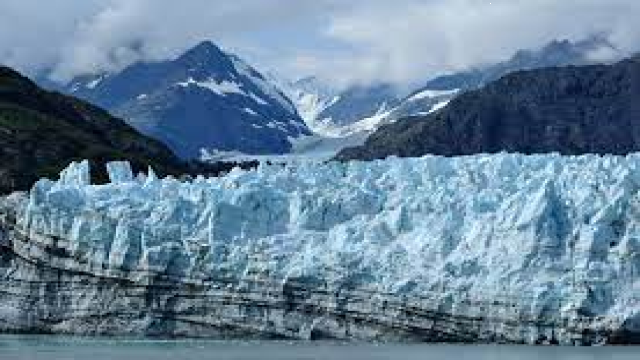
- Zemu Glacier: The largest and most important valley glacier in the Eastern Himalayas, stretching over 26 kilometers along the base of Kanchenjunga. It serves as the primary hydrological source for the Teesta River.
- Gurudongmar Lake: Situated at an elevation of 5,430 m in North Sikkim, it is one of the highest freshwater alpine lakes in the world, fed directly by glaciers connected to the Kangchengyao massif.
- Tso Lhamo (Cholamu Lake): Located further north near the Tibetan border, this high-altitude lake represents the official geographical point of origin for the Teesta River.
- Tsomgo Lake (Changu): A classic oval-shaped glacial lake situated in East Sikkim, formed due to the structural trapping of meltwater within a moraine depression.
Fluvial Geomorphology and Drainage Dynamics
The drainage architecture of the Sikkim Himalayas is entirely organized around the Teesta River basin, which represents a highly dynamic, high-energy fluvial system.
The Teesta River System
- Fluvial Path: The Teesta originates from Tso Lhamo lake and cuts a deep, near-vertical, north-to-south transverse gorge through the entire crystalline axis of the Greater and Lesser Himalayas.
- The Confluence at Chungthang: In North Sikkim, the river is formed by the structural convergence of two major glacial torrents: the Lachen Chu and the Lachung Chu.
- Major Tributaries: The Teesta receives several high-discharge tributaries, including the Rangit River (which flows from the Rathong glacier and exhibits a high-gradient confluence at Melli), the Dik Chu, and the Rongni Chu.
- Transboundary Outflow: After carving through the Coronation Bridge sector in West Bengal, the Teesta enters Bangladesh, where it joins the Brahmaputra (Jamuna) River as a major right-bank tributary.
Strategic Mountain Passes (La)
The high-altitude eastern frontier of Sikkim forms a critical part of India’s international boundary, accessible only through strategic mountain passes that cut across the crystalline walls.
Eastern Sector (Sikkim-Tibet Frontier)
- Nathu La (4,310 m): One of the most famous passes in Indian geography, cutting through the Dongkya range. It formed an official offshoot of the ancient Silk Route and serves as one of the three officially designated Border Personnel Meeting points between the Indian Army and the People’s Liberation Army of China. It was reopened for border trade in 2006.
- Jelep La (4,267 m): Located slightly south of Nathu La, this pass traverses the Chumbi Valley. It historically served as the principal artery for the Lhasa-Kalimpong trade route prior to the geopolitical closure of the frontier in 1962.
- Donkia La (5,540 m): A high-altitude pass in North-East Sikkim that links the Lachung Valley directly with the arid Tethyan plains of Tibet.
Western Sector (Sikkim-Nepal Frontier)
- Chiabhanjan Pass: Located along the Singalila Ridge, serving as a traditional high-altitude walking pass connecting West Sikkim with eastern Nepal.
Biogeographical Diversity and Ecological Stratification
Due to the rapid rise in altitude over a short horizontal span, the Sikkim Himalayas exhibit an complete cross-section of eco-zones, ranging from subtropical jungles to Arctic conditions.
The Khangchendzonga National Park (KNP)
- UNESCO Mixed Heritage Site: Inscribed as India’s first and only ‘Mixed’ World Heritage Site, recognizing both its natural biodiversity and its cultural significance to the indigenous Lepcha and Bhutia communities.
- Vertical Eco-Stratification: The park preserves an uninterrupted sequence of vegetation zones, including Subtropical Wet Evergreen Forests, Temperate Broadleaf Forests, Alpine Meadows, and Cold Desert Scrublands.
Floral and Faunal Specialties
- The Orchid and Rhododendron Capital: Sikkim houses over 500 endemic species of orchids and dozens of varieties of Rhododendrons (notably protected within the Shingba Rhododendron Sanctuary in Yumthang Valley).
- Key Wildlife Indicators: The high-altitude forests serve as a critical habitat for endangered species, including the Red Panda (the state animal of Sikkim), Snow Leopard, Himalayan Tahr, Musk Deer, and the Blood Pheasant.
UPSC Prelims-Specific Trivia and Key Concepts
The Singalila and Dongkya Ridges
The Sikkim Himalayas are physically bracketed by two massive north-south trending transverse ridges that act as natural political and geographical boundaries. The Singalila Ridge in the west separates Sikkim and West Bengal from Nepal and hosts the peaks of Sandakphu and Phalut. The Dongkya Ridge in the east delineates the boundary between Sikkim and the Chumbi Valley of Tibet.
The Landslide Vulnerability Core
Due to the presence of the Main Central Thrust (MCT), the high rainfall intensity of the eastern monsoon, and the dominance of fragile phyllites and schists in the Daling series, the Sikkim Himalayas are highly prone to seismically induced and rainfall-triggered mass wasting events. The region experiences frequent road blockages along National Highway 10 (NH-10) due to flash floods on the Teesta and the unstable slope mechanics of the surrounding hills.
Lake Outburst Hazards (GLOFs)
The rapid retreat of valley glaciers like the Zemu Glacier due to climate variability has led to the formation of numerous moraine-dammed glacial lakes in North Sikkim. This structural condition places the region under high risk for Glacial Lake Outburst Floods (GLOFs), as demonstrated by the catastrophic breach of the South Lhonak Lake, which caused downstream destruction along the Teesta river corridor.
Last Modified: June 4, 2026