
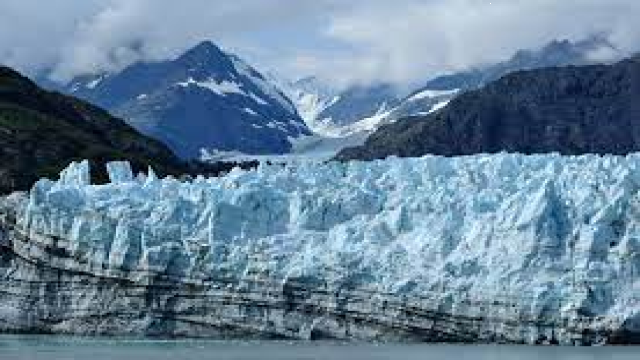
The Indian landscape is a dynamic product of endogenic forces, which created the macro-relief structures like the Himalayas and Peninsular Block, and exogenic processes, which continuously modify these structures through weathering, mass wasting, erosion, and deposition. Exogenic agents—primarily running water, glaciers, wind, and sea waves—work relentlessly to degrade the highlands (denudation) and aggrade the lowlands (deposition), establishing a transitional topographic equilibrium across India.
Fluvial Geomorphic Landscapes (Running Water)
Fluvial processes are the most dominant agents of landscape transformation in India, operating distinctly across the Himalayan and Peninsular river systems.
Erosional Landforms of Himalayan Rivers
Himalayan rivers are youthful and possess immense kinetic energy, leading to intense vertical downcutting.
- Deep Gorges and Canyons: Formed where rivers cut through rising mountain ranges. Key examples include the Indus Gorge at Bunji (Gilgit-Baltistan, nearly 5,200 meters deep), the Shipki La Gorge formed by the Sutlej, and the Dihang Gorge formed by the Brahmaputra.
- V-Shaped Valleys and Waterfalls: Rivers in their upper reaches carve steep V-shaped profiles. Major waterfalls include the Hundru Falls (Subarnarekha) and various hanging valley falls in the upper Himalayan catchments.
- River Terraces: Step-like structures marking the older floodplains, extensively observed along the Alaknanda and Bhagirathi rivers, signaling tectonic upliftment and rejuvenation.
Depositional Landforms of the Indo-Gangetic Plain
As rivers enter the plains, their velocity drops abruptly, shifting their primary role from erosion to deposition.
- Alluvial Fans and Cones: Formed at the foothills (Piedmont zone) where rivers transition from mountains to plains. The Kosi River has built massive, coalescing alluvial fans in Bihar, which contribute to its frequent course shifts.
- Meanders and Oxbow Lakes: The flat gradient of the Great Plains forces rivers to move laterally. Over time, loops detach to form oxbow lakes, such as Kanwar Lake (Kabartal) in Bihar, one of Asia’s largest freshwater oxbow lakes.
- Natural Levees and Floodplains: Raised river banks formed during floods, distinct along the Ganga and Brahmaputra rivers.
- Deltaic Structures: The Ganga-Brahmaputra Delta (Sundarbans) is the largest arcuate delta in the world, characterized by a complex network of distributaries, mudflats, and mangrove swamps.
Glacial Geomorphic Landscapes
Glacial landforms in India are restricted to the high-altitude zones of the Himalayas, Karakoram, and Pir Panjal ranges, covering an estimated area of over 40,000 square kilometers.
Erosional Glacial Features
- Cirques and Tarns: Amphitheater-like basins carved by glaciers. When filled with meltwater, they form high-altitude lakes known as tarns, common in the Jammu & Kashmir and Himachal Pradesh Himalayas (e.g., Tarsar and Marsar lakes).
- Glacial Troughs (U-Shaped Valleys): Formed by the widening and deepening of pre-existing fluvial valleys by moving ice ice tongues. Excellent examples are seen in the Lahaul and Spiti valleys.
- Horns and Arêtes: Sharp, serrated ridges and pyramidal peaks created by headward cirque erosion, such as the iconic Matterhorn-like profile of Mount Shivling or Mount Nilkantha.
Depositional Glacial Features
- Moraines: Accumulations of unstratified glacial debris. Terminal moraines block valleys to create proglacial lakes, while lateral moraines form distinct linear ridges along valley walls, prominently seen around the Khumbu and Gangotri glaciers.
- Eskers and Outwash Plains: Found at the snouts of retreating glaciers where meltwater streams sort and deposit sediments, visible in the high-altitude fields of Ladakh and Sikkim.
Aeolian Geomorphic Landscapes (Wind Processes)
Aeolian processes operate predominantly in the arid and semi-arid tracts of western India, covering the Thar Desert of Rajasthan and parts of Gujarat and Haryana.
Erosional Aeolian Features
- Mushroom Rocks (Rock Pedestals): Formed due to differential wind abrasion, where the lower parts of isolated rock masses are eroded faster than the top. These are common features around Jaisalmer.
- Deflation Hollows (Playas): Wind blows away loose sand, creating depressions that fill with water during brief rains. These seasonal, saline lakes are called Playas, with Sambhar Lake and Didwana Lake in Rajasthan being prominent examples.
- Inselbergs: Isolated, smooth-sided residual hills left behind after the surrounding softer rocks have been planed down by wind and water erosion, frequently seen across the Aravalli margins.
Depositional Aeolian Features
- Barchans: Crescent-shaped sand dunes with tips pointing downwind. They are highly mobile and are extensively found in the desert stretches west of Jaisalmer.
- Seif Dunes: Linear, longitudinal dunes aligned parallel to the prevailing wind direction, dominant in the southern parts of the Thar Desert.
- Loess Deposits: Fine, wind-blown dust deposited far beyond desert margins. Marginal loess-like deposits are found in parts of the semi-arid plains of Punjab and Haryana.
Coastal Geomorphic Landscapes
The 7,516-kilometer coastline of India experiences constant remodeling by wave action, tides, and currents, displaying a stark contrast between the western and eastern shores.
Erosional Coastal Features
These features dominate the Western Coast due to its high-energy, submergent nature.
- Sea Cliffs and Wave-Cut Platforms: Vertical rock walls facing the sea, well-developed along the Konkan coast of Maharashtra and the rocky headlands of Goa.
- Sea Caves, Arches, and Stacks: Formed by wave refraction hitting headlands. Over time, arches collapse to leave isolated rocky pillars (stacks), visible along the coastlines of Ratnagiri and Diu.
Depositional Coastal Features
These features dominate the Eastern Coast due to its low-gradient, emergent nature and massive riverine sediment input.
- Beaches and Dunes: Sandy stretches built by constructive wave action. Marina Beach in Chennai is one of the longest urban sandy beaches globally.
- Spits and Bars: Linear ridges of sand deposited parallel to the coast. A classic spit is the Sriharikota island, which encloses the Pulicat Lagoon.
- Lagoons: Shallow water bodies separated from the sea by barrier bars. Chilika Lake (Odisha)—the largest brackish water lagoon in India—and Vembanad Lake (Kerala) are premium examples.
Karst Geomorphic Landscapes (Groundwater)
Karst topography develops in areas with massive, thick limestone formations where chemical weathering via solution and carbonation dominates.
Key Karst Formations in India
- The Borra Caves: Located in the Ananthagiri Hills of Visakhapatnam (Andhra Pradesh), these caves exhibit spectacular stalactites, stalagmites, and central pillars formed by the subterranean Gosthani River.
- Meghalaya Karst Caves: The Jaintia and Khasi hills host some of the longest and deepest limestone cave systems in the world (e.g., Krem Liat Prah), featuring massive sinkholes, blind valleys, and dripstone structures.
- Gupt Dham Caves: Located in the Vindhyan limestone strata of Sasaram (Bihar), showcasing prominent subterranean solution channels.
Summary Matrix of Indian Erosional and Depositional Landscapes
| Geomorphic Agent | Primary Region in India | Key Erosional Features | Key Depositional Features |
| Fluvial | Himalayas & Indo-Gangetic Plain | Gorges, V-shaped valleys, Potholes | Alluvial fans, Meanders, Oxbow lakes, Deltas |
| Glacial | Higher Himalayas & Karakoram | Cirques, U-shaped valleys, Arêtes | Lateral & Terminal Moraines, Eskers |
| Aeolian | Thar Desert (Rajasthan & Gujarat) | Mushroom rocks, Deflation hollows | Barchans, Seif dunes, Longitudinal dunes |
| Coastal | Western & Eastern Coastlines | Sea Cliffs, Wave-cut platforms, Stacks | Sand spits, Barrier bars, Lagoons, Beaches |
| Karst | Meghalaya Hills, Bastar, Vishakhapatnam | Sinkholes, Uvalas, Blind valleys | Stalactites, Stalagmites, Dripstones |
Micro-Level Topographic Trivia for Prelims
- Choas: These are seasonal, torrent-eroded, sandy streams found in the Shiwalik foothills of Punjab and Hoshiarpur, causing severe sheet and gully erosion.
- Badland Topography: The Chambal Valley features extensive ravines formed by deep gully erosion in soft alluvial soils, creating a highly dissected, uncultivable landscape.
- Kayals: The unique coastal depositional backwaters of Kerala (like Vembanad and Ashtamudi) that are protected from the open sea by barrier beach formations.
- Dhrian: The local name given to the shifting, highly dynamic sand dunes found in the western sandy plains of the Thar Desert.