
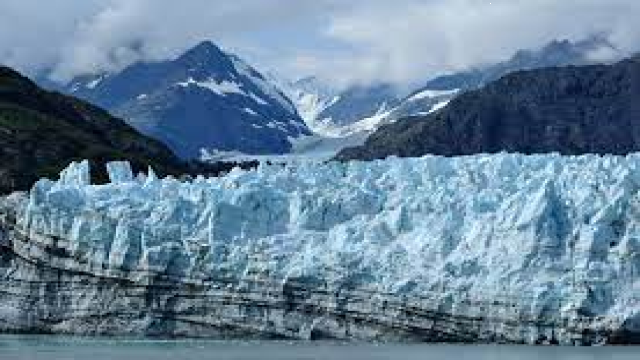
Alpine Vegetation in India represents the final altitudinal zone of natural flora before the onset of the perennial snow line. This highly specialized biome is exclusively confined to the high-altitude reaches of the Himalayan mountain arc. It acts as a critical ecological transition zone between the sub-alpine coniferous timber belts and the barren, un-vegetated nival zone.
Core Climatic Thresholds
- Altitude Range: Generally distributed from 3,000 meters up to 4,500 meters above mean sea level. The altitudinal limits vary significantly between the Western and Eastern Himalayas due to differences in latitude and rainfall profiles.
- Mean Annual Temperature: The thermal regime is characterized by short, cool summers (mean temperatures between 10°C and 13°C) and long, severe frozen winters where temperatures remain consistently below 0°C.
- Precipitation Regime: Precipitation is highly variable. The Western Himalayas receive substantial moisture in the form of deep winter snow through Western Disturbances. The Eastern Himalayas receive heavy monsoonal rainfall during summers, keeping the atmosphere perpetually humid.
- Growing Season: The vegetative growth phase is restricted to just 3 to 4 months (June to September) when the winter snow melts completely.
Key Geographical Zones
- Western Alpine Belt: Spans the high-altitude trans-Himalayan ridges and valley margins of Jammu and Kashmir, Ladakh, Himachal Pradesh, and Uttarakhand.
- Eastern Alpine Belt: Covers the high-elevation zones of Sikkim, northern West Bengal (isolated ridges), and Arunachal Pradesh.
Structural Characteristics, Stratification, and Botanical Succession
The structural profile of Alpine Vegetation is marked by a progressive reduction in plant stature. As the altitude increases and wind velocity intensifies, tall arboreal forms give way to stunted woody communities, which ultimately transition into herbaceous carpets.
Sub-Types of Alpine Vegetation
- Sub-Alpine Forests: The transitional ecotone situated between 3,000 and 3,500 meters. It forms the absolute tree line, featuring stunted, wind-blown trees with twisted trunks (known as Krummholz formation).
- Moist Alpine Scrub: Thrives predominantly in the humid Eastern Himalayas and sheltered valleys of the Western Himalayas. It forms dense, low thickets of stunted shrubs averaging 1 to 3 meters in height.
- Dry Alpine Scrub: Confined to the arid, rain-shadow trans-Himalayan tracts (such as Ladakh and Lahaul-Spiti). The vegetation is highly scattered, xerophytic, and dominated by stunted, spiny bushes.
- Alpine Pastures and Meadows: Found above the scrub zone up to 4,500 meters. These are vast, continuous stretches of perennial grasses, sedges, and bright alpine herbs that remain buried under snow for over eight months a year.
Key Morphological Adaptations
- Cushion-Form Growth: Many alpine herbs grow in dense, low, hemispherical cushions. This structure protects the inner shoots from abrasive, wind-blown ice crystals and traps metabolic heat.
- Hairy and Pubescent Surfaces: Leaves and stems are often densely covered with fine white hairs (trichomes) that insulate the tissue against extreme night frosts and reflect harmful ultraviolet radiation.
- Anthocyanin Accumulation: Plants produce high levels of anthocyanin pigments, giving alpine flowers exceptionally vivid colors (red, purple, blue) that absorb solar heat and attract pollinators during the short summer window.
- Deep Taproots and Rhizomes: Perennials develop extensive underground root systems or rhizomes to store carbohydrates, allowing them to sprout instantly as soon as the snow melts.
Floristic Composition and Indicator Species
The floristic wealth of the Indian alpine zone is rich in cold-hardy shrubs, medicinal herbs, and dynamic perennial grasses. Because of the distinct climatic divide, the Western and Eastern extensions exhibit variations in dominant species.
Major Botanical Species
- Himalayan Birch (Betula utilis): Locally known as Bhojpatra, this is the definitive tree-line species of the Himalayas. It forms the final patches of white-barked arboreal vegetation before the scrub zone begins.
- Juniper (Juniperus communis and Juniperus recurva): Extremely hardy, low-creeping evergreen conifers that dominate both moist and dry alpine scrub layers.
- Alpine Rhododendrons (Rhododendron anthopogon): Dwarf, aromatic shrub variants that form vast, contiguous mats across alpine slopes, blooming into dense pink and yellow fields during early summer.
- Willow (Salix species): Stunted, prostrate shrubs found lining the margins of glacial streams and meltwater channels.
- Blue Poppy (Meconopsis aculeata): A delicate, highly prized alpine herb with striking blue petals, native to the rocky scree slopes of the Western Himalayas.
- Brahma Kamal (Saussurea obvallata): A sacred, specialized alpine thistle encased in translucent, papery bracts that act as a natural greenhouse, protecting the internal flowers from freezing temperatures.
Matrix of Regional Variants and Key Taxa
| Parameter / Feature | Western Himalayan Alpine Zone | Eastern Himalayan Alpine Zone |
| Altitudinal Range | Lower boundary starts at ~3,300 meters; extends up to 4,200 meters. | Lower boundary starts higher at ~3,600 meters; extends up to 4,500+ meters. |
| Climatic Drivers | Low monsoon rainfall, high winter snowfall, high frost frequency. | High monsoon rainfall, shorter winter freezing spells, high humidity. |
| Local Nomenclature | Pastures are locally designated as Margs (Kashmir) and Bugyals (Uttarakhand). | Pastures are associated with alpine high-altitude passes (La zones). |
| Dominant Scrub Elements | Juniperus pseudo-sabina, Caragana (Pea-shrub variants), Artemisia. | Rhododendron campanulatum, Rhododendron setosum, Salix sikangensis. |
| Dominant Herbaceous Flora | Primula, Anemone, Gentiana, Potentilla, Gentianella. | Aconitum, Pedicularis, Rheum nobile (Noble rhubarb), Saxifraga. |
| Soil Sub-type | Skeletal Lithic Cryolls, prone to permafrost action. | Umbric Ochrepts, rich in organic matter, highly acidic. |
Ecological Significance, Edaphic Profiles, and Threat Matrix
Edaphic (Soil) Conditions
Alpine soils fall under the order of Inceptisols and Entisols (Cryolls). They are thin, coarse-textured, and structurally immature, consisting mostly of physically weathered glacial debris, scree, and fragmented rocks. The surface layer contains a high concentration of un-decomposed organic matter because the freezing temperatures inhibit microbial activity. These soils are highly susceptible to solifluction (the slow downward crawling of waterlogged soil over a permafrost layer).
Ecological Value and Ecosystem Services
- Glacial Meltwater Regulation: The alpine turf acts as a natural terrestrial filter, anchoring loose moraines and slowing surface runoff, which regulates the flow of silt-free water into the headwaters of the Indus, Ganga, and Brahmaputra river systems.
- The Bugyal Pastoral System: These pastures serve as the primary forage resource for traditional transhumant pastoral communities, such as the Gujjars, Bakarwals, Bhutias, and Gaddis, who migrate vertically with their herds of sheep, goats, and yaks during the summer.
- High Carbon Storage: Despite low biomass stature, alpine ecosystems lock away significant carbon stocks within their dense underground root mats and permafrost layers.
Primary Threat Vectors
- Overgrazing and Pasture Degradation: The compaction of the fragile alpine turf by excessive livestock grazing leads to severe sheet erosion and allows unpalatable weeds to replace nutritious native grasses.
- Climate-Induced Treeline Up-Shift: Global warming is accelerating the upward migration of sub-alpine woody trees into the alpine meadows, squeezing the habitat available for specialized, low-stature alpine herbs.
- Over-Exploitation of Medicinal Flora: Illegal commercial harvesting of high-value endemic medicinal plants has pushed several alpine species to the brink of local extinction.
UPSC Prelims Fact-File and Botanical Trivia
The Cordyceps Sinensis (Keeda Jadi) Economy
The alpine pastures of Uttarakhand and Sikkim host the rare entomopathogenic fungus Ophiocordyceps sinensis, known locally as Keeda Jadi or Yarsagumba. It parasitizes ghost moth caterpillars underground. Collected extensively by forest-fringe communities during the spring thaw, it commands massive values in international traditional medicine markets.
The Greenhouse Plants of the Alpine Desert
Rheum nobile (the Noble Rhubarb), native to the alpine zone of Sikkim, grows up to two meters tall amidst low scrubs. It is covered by large, translucent, overlapping yellow bracts that protect its delicate reproductive organs from intense ultraviolet radiation and freezing winds, creating a functional greenhouse.
The Bhojpatra Historical Significance
The inner bark of Betula utilis exhibits high structural stability and resistance to decay due to the presence of natural betulin compounds. In ancient India, before the commercial manufacture of paper, this white bark was peeled in thin sheets and utilized extensively for recording sacred manuscripts, astronomical charts, and imperial edicts.
The Bugyal Eco-Tourism Conflict
The alpine meadows of Uttarakhand, such as Bedni Bugyal and Dayara Bugyal, are fragile ecosystems where the high volume of unregulated trekking and camping activities causes severe soil compaction, micro-habitat fragmentation, and sanitation challenges that disrupt high-altitude pollinators.
Last Modified: June 5, 2026