
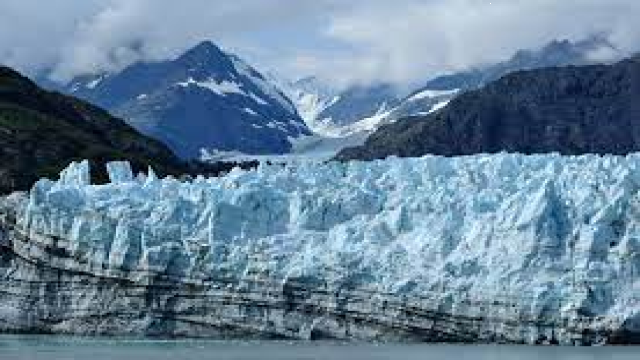
The Arunachal Himalayas constitute the easternmost sector of the main Himalayan mountain system in India. This region extends for approximately 720 kilometers from the eastern border of Bhutan (near the Sunrise peak/Teesta drainage divide transition) to the Diphu Pass in the east, where the range terminates at the tri-junction of India, China, and Myanmar. Geographically, it is bounded by the Tibetan Plateau to the north and the Brahmaputra (Assam) Valley to the south. This sector represents one of the most structurally compressed, high-gradient, and seismically active mountain systems on Earth, characterized by a rapid vertical transition from the tropical plains of the outer foothills to the glaciated alpine peaks of the high crystalline axis.
Morphotectonic Divisions and Fault Configurations
The structural architecture of the Arunachal Himalayas is categorized into four distinct latitudinal physiographic belts separated by deep-seated tectonic lineaments and reverse fault zones.
The Sub-Himalayan Foothills (Outer Himalayas / Shiwalik Extension)
- Tectonic Boundaries: This southernmost tier rises abruptly from the Brahmaputra alluvial plains along the Himalayan Frontal Fault (HFF). It is bounded to the north by the Main Boundary Thrust (MBT).
- Geomorphic Profile: Composed of late Paleogene to Neogene sandstones, siltstones, loose mudstones, and coarse pebble conglomerates. It forms a series of low-lying, highly dissected hills that receive the direct brunt of moisture-laden winds from the Bay of Bengal.
The Lesser Himalayas
- Structural Compression: In this sector, the Lesser Himalayan zone is exceptionally narrow and compressed compared to its western counterparts in Kumaon or Kashmir.
- Lithological Footprint: Dominated by the Bomdila Group and Buxa Formations, which consist of low-to-medium-grade metamorphic sequences including phyllites, schists, quartzites, and dolostones.
- Tectonic Inversion: Intense overthrusting along the Main Central Thrust (MCT) has pushed older crystalline blocks directly over younger sedimentary sheets, causing complex structural anomalies.
The Greater Himalayas (Himadri)
- The High Crystalline Core: Positioned immediately north of the MCT, this zone constitutes the high-relief axial core of Arunachal Pradesh. It consists of ancient Archaean granites, sillimanite-bearing gneisses, and highly altered mica schists.
- Orographic Relief: This range forms an uninterrupted physical wall that induces heavy orographic precipitation, triggering high rates of chemical weathering and intense fluvial dissection.
The Tethyan Himalayas
- The Marine Sedimentary Domain: Situated north of the Greater Himalayan axis along the international boundary (McMahon Line), this zone consists of highly folded, fossiliferous marine sedimentary rocks representing the original northern margin of the Indian continental block.
| Morphotectonic Zone | Local Hill Names (West to East) | Dominant Lithology | Delineating Tectonic Faults |
| Sub-Himalayan Foothills | Dafla Hills, Miri Hills, Abor Hills, Mishmi Hills | Conglomerates, clays, loose sandstones, siltstones | Southern: HFF | Northern: MBT |
| Lesser Himalayas | Bomdila Ridge, Rupa Valley tracts | Phyllites, slates, quartzites, dolostones | Southern: MBT | Northern: MCT |
| Greater Himalayas | Sela Range, Nyegi Kangsang Massif | Central granites, metamorphic gneisses, schists | Southern: MCT | Northern: STDS |
| Tethyan Himalayas | Tawang Plateau, Upper Subansiri frontier | Fossiliferous limestones, shales, sandstones | South Tibetan Detachment System (STDS) |
Prominent Mountain Massifs and the Eastern Syntaxial Bend
The Arunachal Himalayas feature exceptionally rugged, glaciated topography, dominated by peaks that anchor the eastern terminus of the entire Himalayan arc.
High-Altitude Peaks
- Kangto (7,060 m): The highest mountain peak in Arunachal Pradesh, located on the international border with Tibet in the East Kameng district. It is surrounded by extensive alpine glaciers.
- Nyegi Kangsang (7,047 m): Another major prominent crystalline massif located within the Greater Himalayan axis of West Kameng.
- Namcha Barwa (7,782 m): Located just outside the administrative boundary of India in Tibet, this peak acts as the structural anchor for the eastern extremity of the Greater Himalayas.
- Other Major Massifs: Gorichen (6,488 m), Chomo (6,046 m), and Takpa Shiri (6,655 m).
The Eastern Syntaxial Bend
- Hairpin Tectonic Loop: Upon reaching the vicinity of Namcha Barwa, the entire structural alignment of the Himalayas takes a sharp, near-vertical southward turn. This hairpin bend is known as the Eastern Syntaxial Bend.
- Geodynamic Cause: This bend is a structural response to the northward thrusting of the rigid northeastern promontory of the Indian Peninsular Shield (the Shillong Plateau and Mikir Hills axis) anchoring deep into the softer Eurasian plate margin, forcing the rock strata to loop around the rigid promptontory.
- Transition to Purvanchal: This syntaxial loop transitions the main west-east trending Himalayan folds into the north-south trending hills of the Purvanchal system (Patkai Bum, Naga Hills, and Mizo Hills).
Fluvial Geomorphology and Hydro-Structural Gorges
The drainage architecture of the Arunachal Himalayas is characterized by high-discharge, high-velocity antecedent river systems that flow southward to feed the Brahmaputra River.
The Dihang (Siang) River System
- Antecedent Incision: The Yarlung Tsangpo River flows eastward through Tibet parallel to the Himalayas. Upon reaching the eastern syntaxial bend near Namcha Barwa, it enters India under the name Siang or Dihang.
- The Great Tsangpo Gorge: The river cuts a near-vertical transverse gorge across the Greater Himalayas, forming one of the deepest and longest canyons on Earth, dropping over 2,000 meters in elevation over a short distance.
Major Tributaries and Catchment Zones
- Kameng River: Originates from glacial lakes below Mount Kangto and flows through a deep structural valley before entering the plains.
- Subansiri River: An antecedent river that cuts through the main Himalayan ranges, famous for its high sediment load and gold-bearing alluvial placers.
- Dibang River: Drains the northeastern Mishmi Hills, characterized by high flash-flood vulnerability due to landslide-induced structural blockages in its upper reaches.
- Lohit River: Originates in Tibet and enters India near Kibithu, carving through the highly metamorphosed crystalline zones of eastern Arunachal Pradesh.
Strategic Mountain Passes (La)
The high-altitude frontier of the Arunachal sector contains vital structural gaps, glacial passes, and transport corridors that connect India with Tibet and Myanmar.
Western and Central Sector (India-Tibet Frontier)
- Bomdi La: Located in West Kameng, this pass provides a highly motorable transport corridor from the Assam valley to the Tawang district.
- Sela Pass (4,170 m): A high-altitude pass cutting through the Sela Range, separating Tawang from West Kameng. It features the Sela Tunnel, which ensures all-weather strategic connectivity to the forward frontiers.
- Bum La: Situated north of Tawang on the international border, it is an official Border Personnel Meeting point between the Indian Army and the People’s Liberation Army of China.
- Tunga La and Yangyap Pass: Critical structural passes in the Upper Siang district; the Dihang River flows close to the Yangyap Pass before entering Indian territory.
Eastern Sector (Tri-Junction Frontier)
- Diphu Pass: Located on the McCline Line at the tri-junction of India (Arunachal Pradesh), China, and Myanmar, serving as a historic, strategically sensitive mountain pass.
- Kumjawng Pass and Pangsau Pass: Located along the Patkai Bum hills on the India-Myanmar border, historically associated with the wartime Stilwell Road (Ledo Road).
Biogeographical Diversity and Ecological Features
Due to high precipitation from the Bay of Bengal monsoon branch and a rapid elevation gradient, the Arunachal Himalayas display the richest biodiversity and densest forest cover within the entire Himalayan region of India.
Forest Stratification
- Tropical Wet Evergreen Forests: Found up to 900 meters in the foothills and river valleys, dominated by species like Dipterocarpus retusus (Hollong) and Shoreia assamica (Mekai).
- Subtropical and Temperate Forests: Characterized by sub-tropical pine forests (Pinus roxburghii) transitioning into temperate broadleaf forests of Oak, Chestnut, Maple, and Magnolia.
- Alpine Meadows and Rhododendron Belts: Located above the timberline (3,500 meters to 4,500 meters), featuring extensive dwarf rhododendron scrublands and seasonal high-altitude alpine pastures.
Key Conservation Zones
- Namdapha National Park: Located near the transition zone to the Purvanchal hills, it is renowned for hosting four big cat species: Tiger, Leopard, Snow Leopard, and Clouded Leopard within a single continuous ecosystem.
- Mouling National Park: Situated in the Siang valley, preserving a pristine primary forest ecosystem along a high-gradient landscape.
UPSC Prelims-Specific Trivia and Key Concepts
The Mishmi Thrust and Seismic Hazards
The Arunachal Himalayas are structurally bounded by intense fault networks, including the Mishmi Thrust and the Tidding Suture Zone. The region falls entirely within Seismic Zone V of India. The historic 1950 Assam-Tibet Earthquake (8.6 magnitude) had its epicenter near the Mishmi Hills, causing massive structural modifications, extensive landslides, and the temporary damming of major river courses.
The Concept of Longitudinal Asymmetry in Foothill Width
Unlike the Western Himalayas, where the Shiwalik zone is broad and forms wide flat-bottomed valleys (Duns like Dehradun), the Arunachal foothills are narrow, compressed, and directly abut the plains. This occurs because the northward push of the Indian Plate was highly intense against the northeastern corner, closing up the intermediate structural basins.
Jhum Cultivation and Mass Wasting
The practice of Shifting Cultivation (Jhum) on the steep, structurally weak slopes of the Lesser and Outer Himalayas in Arunachal Pradesh has accelerated soil erosion, topsoil denudation, and rainfall-triggered gully erosion during the peak monsoon season.
The Hydropower Potential Core
Due to the perennial nature of its antecedent rivers, high annual runoff volumes, and steep drop-offs from the high crystalline core to the plains, the Arunachal Himalayas hold the highest theoretical hydropower potential of any regional unit in India, centered around the massive run-of-the-river projects on the Siang, Subansiri, and Dibang river corridors.
Last Modified: June 4, 2026