
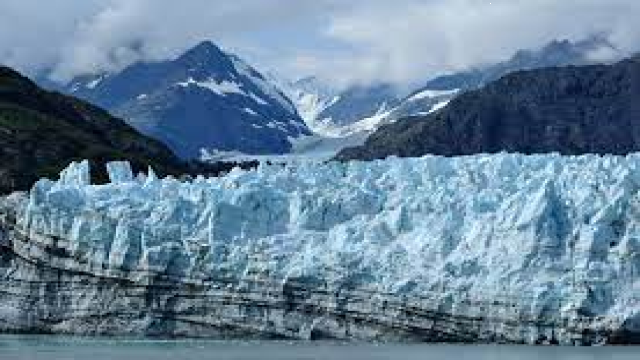
The Ghaghara River is a perennial, trans-boundary antecedent river that originates at an altitude of approximately 4,800 meters in the glacial lakes near Mapchachungo Glacier, located on the Tibetan Plateau south of Lake Manasarovar. In its upper Tibetan course, the river is known as the Map Chu or Kongque River. It cuts deep, near-vertical gorges through the Greater Himalayas at Shishapani before debouching onto the plains. It flows through Nepal as the Karnali River—the longest river system in Nepal—before entering India near Bharatpur in Uttar Pradesh.
Trajectory through the Indo-Gangetic Plains
Upon entering India, the river splits into multiple braided channels, notably the Kauriala and the Girwa, which later reunite. It flows southeastward across the Terai plains of Uttar Pradesh and Bihar. In the plains of Uttar Pradesh, historical stretches of this river system are culturally and geographically identified as the Saryu River, particularly where it flows past the ancient town of Ayodhya. The Ghaghara completes its course of 1,080 kilometers by joining the Ganga River as a major left-bank tributary at Chhapra in Bihar.
Hydrological and Basin Parameters
The Ghaghara basin covers an estimated total catchment area of 127,950 square kilometers, out of which roughly 45% lies within Indian territory across Uttar Pradesh and Bihar. The basin is bounded by the Gandak basin to the east and the Gomti basin to the west. It is a highly dynamic river characterized by high sediment load and seasonal braiding.
Major Tributaries of the Ghaghara
- Sharda River (Kali / Mahakali): This is the most crucial tributary of the Ghaghara. It originates from the Kalapani glacier in the Greater Himalayas on the Indo-Nepal border. It flows along the international boundary as the Kali River, enters the plains of Tanakpur as the Sarda, and merges with the Ghaghara at Brahmaghat in Uttar Pradesh.
- Rapti River: Originating in the Mahabharat Range of Nepal, the Rapti flows through the northeastern districts of Uttar Pradesh, passing through Gorakhpur, before joining the Ghaghara near Barhaj.
- Chhoti Gandak: A purely rain-fed stream that originates in the Terai region of Maharajganj district, flows parallel to the main Gandak axis, and merges with the Ghaghara near Gathia in Bihar.
- Kuwana and Saryu: Small left-bank alpine-to-alluvial streams that drain the local districts of Gonda, Basti, and Faizabad.
Water Resource Projects and Infrastructure
- Sarda Sahayak Pariyojana: A massive inter-basin water transfer project that diverts surplus waters from the Sharda River into the Ghaghara and Gomti basins via an extensive canal network, stabilizing irrigation across central and eastern Uttar Pradesh.
- Girwa Barrage: Located near the Katarniaghat Wildlife Sanctuary, it regulates flow across the braided channels of the river to manage floods and sustain local irrigation channels.
- Upper Karnali Hydroelectric Project: A mega-capacity hydropower project located in Nepal designed to supply peaking power to the Northern Grid of India.
Ecological Profile and Wildlife strongholds
- Katarniaghat Wildlife Sanctuary: The braided channels of the Ghaghara (Kauriala-Girwa system) inside this sanctuary serve as a critical habitat for the critically endangered Gharial (Gavialis gangeticus).
- Freshwater Cetaceans: The lower reaches of the Ghaghara maintain a viable and legally protected population of the endangered Ganges River Dolphin (Platanista gangetica gangetica).
The Gandak River System
Geographic Origin and Himalayan Confluences
The Gandak River, historically known as the Sadanira in Vedic literature and recorded as the Kondochates by classical Greek geographers, is an antecedent trans-boundary river. It originates at an elevation of 6,268 meters near the Indo-Tibet border in the Mustang region of Nepal. The river is initially formed by the confluence of seven alpine streams, collectively called the Sapt Gandaki. The two primary headwaters are:
- Kali Gandak: Rises between the Dhaulagiri and Annapurna massifs, creating the Kali Gandak Gorge—geomorphically recognized as one of the deepest river canyons in the world.
- Trisuli River: Originates in the Langtang region of Tibet and flows southward to merge with the Kali Gandak at Devghat in Nepal.
Course through the Plains of India
The river enters the Indian territory at Valmikinagar in the West Champaran district of Bihar. At this entry point, it forms the international boundary between India and Nepal for a short stretch, and subsequently acts as the administrative boundary between the states of Uttar Pradesh (Gorakhpur and Deoria districts) and Bihar (West Champaran and Saran districts). It flows in a southeasterly direction across the North Bihar plains for a length of approximately 300 kilometers within India before terminating at its confluence with the Ganga River at Sonpur near Patna.
Basin Specifications
| Parameter | Technical Specifications |
| Total Length | 630 kilometers (300 km within India) |
| Catchment Area | 46,300 square kilometers (7,620 sq km within India) |
| Primary Basin States | Bihar and Uttar Pradesh |
| Topographical Gradient | Drops from alpine Tibetan plateau to flat alluvial plains of North Bihar |
Major Tributaries of the Gandak
- Trisuli and Kali Gandak: Primary Himalayan headwaters that deliver massive glacial melt and heavy silt loads to the main channel.
- Bari River: A prominent right-bank mountainous stream that joins the Gandak within Nepal.
- Rahuat and Mashan: Minor seasonal streams that drain the Shiwalik foot-hills of West Champaran and feed into the Gandak canal grids.
Multipurpose Projects and Treaties
- Gandak Project (Valmikinagar Barrage): A joint venture between India and Nepal based on the Gandak Irrigation and Power Project Agreement of 1959. The barrage built at Valmikinagar diverts water into the Main Western Canal (irrigating parts of Gorakhpur, Deoria, and Saran) and the Main Eastern Canal (irrigating Champaran, Muzaffarpur, and Darbhanga).
- Triveni Canal System: An vintage irrigation network originating from the pre-barrage era near the Triveni ghats, now integrated into the modern Gandak canal distribution system.
Ecological Significance and Cultural Trivia
- Valmiki National Park and Tiger Reserve: The entry point of the Gandak River into India runs directly along the western boundary of this national park in Bihar, sustaining its unique alluvial grassland-wetland ecosystem.
- Shaligram Stones: The upper sub-basin of the Kali Gandak in Nepal is the exclusive global source of Shaligrams—fossilized ammonite stones dating back to the Cretaceous-Jurassic period, which hold immense cultural and religious significance.
- Sonpur Cattle Fair: The confluence of the Gandak and Ganga at Sonpur hosts Asia’s largest traditional livestock fair during the month of Kartik Poornima.
The Kosi River System
Structural Architecture: The Sapt Kosi Network
The Kosi River is a highly complex, antecedent trans-boundary river system known classically as the Kausika. It drains the northern slopes of the Himalayas in Tibet and the southern slopes in Nepal. The river is formed by the synthesis of seven distinct Himalayan streams, known as the Sapt Kosi. The three main longitudinal rivers that converge at Tribeni in Nepal to form the main Kosi axis are:
- Arun River: The largest and most voluminous constituent, which originates on the Tibetan Plateau as the Bum Chu, cutting a massive path directly between Mount Everest and Mount Makalu.
- Sun Kosi (or Bhote Kosi): Drains the central snowfields of Nepal and runs west-to-east.
- Tamur Kosi: Drains the eastern alpine catchments around the Kangchenjunga massif.
Trajectory and Entry into India
After passing through the deep Chatra Gorge in Nepal, the Kosi exits the foothills and enters the plains of India near Bhimnagar in the Supaul district of Bihar. The river flows through a highly unstable, flat alluvial landscape in North Bihar, covering districts like Saharsa, Purnia, Katihar, and Khagaria. It joins the Ganga River as a left-bank tributary near Kursela in the Katihar district.
Geomorphic Instability and Avulsion Dynamics
The Kosi River is widely referred to as the “Sorrow of Bihar” due to its extreme susceptibility to frequent, catastrophic floods and lateral shifting of its channel. Over the past 250 years, the river has exhibited a phenomenon called avulsion, shifting its course laterally from east to west over a distance of more than 120 kilometers. This instability is caused by:
- High Sediment Load: The Kosi carries one of the highest sediment yields in the world, second only to the Yellow River (Huang He) in terms of silt per unit catchment area.
- Sudden Gradient Drop: As the river descends from the steep Himalayas onto the flat plains of Bihar, its velocity drops drastically, causing rapid deposition of silt on the riverbed. This forces the river to breach its natural levees and seek new channels.
Basin Matrix
| Hydrological Metric | Technical Value |
| Total Length | 729 kilometers (260 km within India) |
| Total Catchment Area | 74,500 square kilometers (11,070 sq km within India) |
| Average Silt Yield | Approx. 19 cubic meters per hectare per year |
| Dominant Hazard Type | Severe structural avulsion and flash flooding |
Hydraulic Projects and Strategic Agreements
- Kosi Barrage (Bhimnagar Barrage): Constructed near the Indo-Nepal border under the Kosi Treaty of 1954 (revised in 1966). It regulates the flow of the river, anchors the local channels to mitigate flooding, and feeds the Eastern Kosi Canal and Western Kosi Canal systems.
- Kosi-Mechi River Interlinking Project: India’s second green-lit river interlinking project. It aims to transfer surplus waters from the Kosi River via a 76-kilometer canal link to the Mechi River (a tributary of the Mahananda). Crucially, this project provides irrigation to Seemanchal region (Araria, Purnia, Kishanganj, and Katihar districts) without causing additional submergence or requiring new storage dams.
- Proposed Sapta Kosi High Dam Project: A planned multipurpose rock-fill dam to be built in Nepal to provide flood control in North Bihar and generate 3,000 MW of hydropower.
Ecological Identity and Wildlife Vulnerability
- Kosi Tappu Wildlife Reserve: Located in the mudflats of the river basin just north of the international border, it protects the last surviving population of the endangered wild water buffalo (Bubalus arnee) in the Himalayan region.
- Wetland Complexes: The abandoned paleo-channels and horse-shoe lakes (locally called mauns or chaurs) formed by the migration of the Kosi serve as vital pitstops for migratory waterfowl along the Central Asian Flyway.