

India’s summer monsoon is not just a weather phenomenon; it is a crucial lifeline for the subcontinent. Every year, as temperatures rise and humidity thickens the air, millions of eyes turn to the skies in anticipation of the summer monsoon, a climatic event that shapes the destiny of the Indian subcontinent. This annual meteorological spectacle brings with it torrential rains, powerful winds, and a cascade of ecological, agricultural, and socio-economic impacts.
The Mechanism Behind the Monsoon
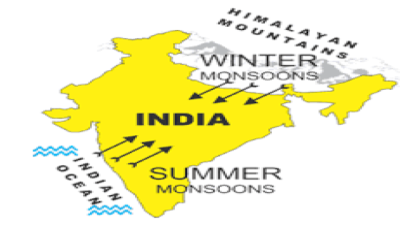
The summer monsoon is a result of complex interactions between various factors, including the differential heating of land and sea, the Indian Ocean’s temperature gradients, and the shifting of the Inter-Tropical Convergence Zone (ITCZ). As the sun’s rays beat down on the Indian subcontinent, landmasses heat up faster than the surrounding oceans. This creates a low-pressure area over the Indian subcontinent, drawing in moist air from the Indian Ocean. The moisture-laden air rises, cools, and condenses, leading to the formation of dense clouds and precipitation.
Key Phases of the Monsoon
- Onset: The monsoon typically begins in early June, sweeping across the southwestern coast of India before advancing northwards.
- Advancement: As the monsoon progresses, it covers the entire country, usually reaching the northernmost regions by mid-July.
- Peak: July and August are the peak months of monsoon activity, with heavy rainfall and frequent thunderstorms.
- Withdrawal: By September, the monsoon starts retreating from northern India, gradually moving back towards the Indian Ocean.
Ecological Impact
The Indian subcontinent’s rich biodiversity owes much to the monsoon. The rejuvenating rains replenish water bodies, revive vegetation, and trigger the breeding of various species. For instance, the Western Ghats, a biodiversity hotspot, sees a surge in plant growth during the monsoon. The increased plant activity sustains herbivores, which in turn support carnivores, forming a delicate ecological balance.
Agricultural Importance
Indian agriculture, which sustains a significant portion of the population, relies heavily on the monsoon. The arrival of monsoon rains coincides with the sowing season for many crops. Adequate rainfall ensures groundwater recharge and reservoir filling, supporting irrigation throughout the dry months. Conversely, erratic or deficient monsoon rains can lead to droughts, crop failures, and economic hardships for farmers.
Socio-Economic Ramifications
The Indian economy is intricately linked with the monsoon’s performance. Agriculture, manufacturing, and services sectors can experience fluctuations based on the intensity of the monsoon. A deficient monsoon can lead to food shortages, inflation due to rising food prices, and decreased rural demand. Conversely, a well-distributed monsoon can boost agricultural production and stimulate economic growth.
Monsoon-Related Challenges and Adaptations
Despite its importance, the monsoon brings its share of challenges. The heavy rains can lead to flooding, soil erosion, and landslides. In urban areas, inadequate drainage systems can exacerbate flooding, disrupting normal life. The need for proper infrastructure and disaster management strategies is evident in the face of these challenges.
Key Monsoon Data (Example Table)
| Year | Onset Date | Advancement Period | Peak Rainfall | Withdrawal Date |
| 2020 | June 1 | June – July | July – August | September 28 |
| 2021 | June 5 | June – July | July – August | October 2 |
| 2022 | June 10 | June – July | July – August | September 24 |
The Indian summer monsoon is not just a meteorological event but a dynamic force that shapes the destiny of the subcontinent. From ecology to economy, agriculture to daily life, its impacts are far-reaching and profound. While the monsoon can pose challenges, its vital role in sustaining life and driving growth cannot be overstated.
Last Modified: February 22, 2024