Indian politics is a complex and dynamic landscape. It involves multiple parties and diverse ideologies. The political system is shaped by historical events and social movements. Elections are held regularly at various levels. Key issues include governance, corruption, and development. Regional differences play a significant role. The constitution provides a framework for democracy. Political engagement is vital for progress and reform.
The Jan Vishwas (Amendment of Provisions) Bill, 2026 has been passed by both Houses of Parliament. It aims to enhance Ease of Doing Business and Ease of Living...
Recent news marks the Supreme Court’s strong reaction to a Class eight textbook by NCERT. The book’s treatment of the judiciary was found objectionable. The Court has shelved...
The Union government deferred the discussion on the Foreign Contribution (Regulation) Amendment Bill, 2026 in Lok Sabha. The Bill aims to amend the 2010 Foreign Contribution (Regulation) Act...
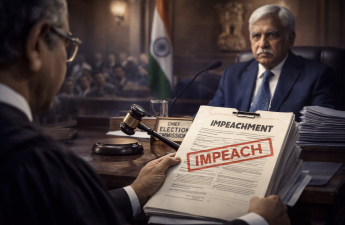
The Opposition parties have recently moved an impeachment motion against the Chief Election Commissioner (CEC) of India. This unprecedented action stems from allegations of partisan conduct, obstruction of...
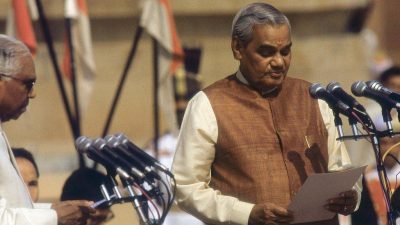
Christmas Day this year marks the 101st birth anniversary of Atal Bihari Vajpayee. In popular memory, Vajpayee is remembered as a prime minister and statesman — the leader...
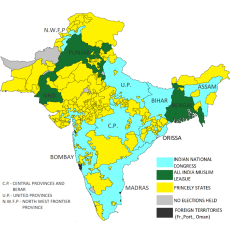
The 1946 elections in undivided India marked a very important moment in the subcontinent's history. They were primarily contested between the Indian National Congress and the All India...
The Vice President of India is the second-highest constitutional office in the country, following the President. The Vice President serves as the ex-officio Chairman of the Rajya Sabha,...