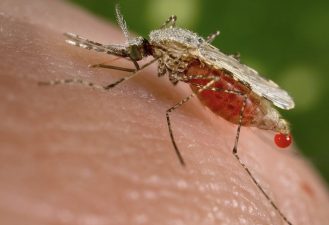
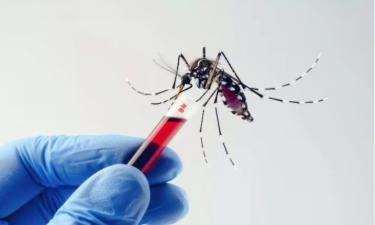
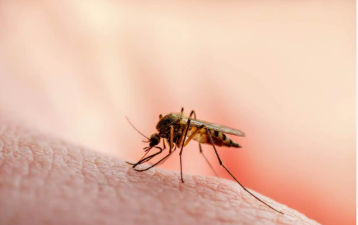
Malaria is a serious infectious disease. It is caused by parasites transmitted through mosquito bites. Symptoms include fever, chills, and flu-like illness. Malaria is prevalent in tropical and subtropical regions. It poses significant health challenges in India. Efforts to control malaria include insecticide-treated nets and antimalarial drugs. Public health campaigns aim to raise awareness and reduce transmission rates.
Arunachal Pradesh declared 19 of its 27 districts malaria-free on 25 April 2026 during World Malaria Day 2026. The declaration was made by the National Centre for Vector...
The World Health Organization granted prequalification on 24 April 2026 to the first malaria treatment specifically designed for newborns and young infants. The medicine is artemether-lumefantrine, marketed as...
Puducherry was recognised as a Category 0 region for malaria by the Union government on 24 April 2026. This status is linked to zero indigenous malaria cases and...
Recent research has shed light on the impact of maternal antibodies on the effectiveness of malaria vaccines in infants under five months. Conducted by the Barcelona Institute for...