
Arunachal Pradesh declared 19 of its 27 districts malaria-free on 25 April 2026 during World Malaria Day 2026. The declaration was made by the National Centre for Vector Borne Diseases Control (NCVBDC) under the Department of Health Services.
Malaria Elimination Status
Arunachal Pradesh reported 32 malaria cases in 2025 and was classified as a low malaria burden state. The state moved from a high disease-burden category to category I, or low burden, in 2022.
Districts Declared Malaria Free
The malaria-free districts are Anjaw, Dibang Valley, East Kameng, East Siang, Kamle, Kra Daadi, Kurung Kumey, Leparada, Longding, Lower Dibang Valley, Lower Siang, Lower Subansiri, Namsai, Pakke Kessang, Siang, Tawang, Upper Subansiri, West Kameng, and West Siang. These districts are spread across eastern, central, and western Arunachal Pradesh.
Public Health Measures
Dr. K.T. Mulung, Deputy Director of Health Services-cum-State Programme Officer for NCVBDC, linked the progress to awareness campaigns, surveillance, timely diagnosis, treatment, and inter-sectoral coordination. Malaria control in India uses vector control, early case detection, and treatment under the national programme for vector-borne diseases.
Malaria in India
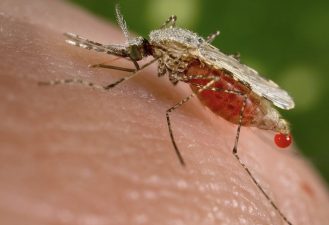
Malaria is a mosquito-borne disease caused by Plasmodium parasites and transmitted mainly by female Anopheles mosquitoes. India’s malaria elimination framework includes district-level surveillance, case management, and annual monitoring under the national health system.
Elimination Targets
Arunachal Pradesh aims to achieve complete malaria elimination by 2027. The state-level target is aligned with the national malaria elimination framework and the 2030 public health goal mentioned by the Chief Minister.
Last Modified: April 26, 2026