
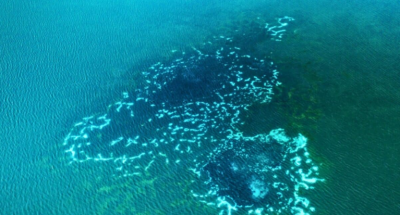
Phantom ocean gas leak is a term used for methane release from sunlit marine surface waters, where marine bacteria can produce methane when phosphate is scarce. Methane is a greenhouse gas with more than 25 times the warming impact of carbon dioxide and about 80 times the heat-trapping effect over the first 20 years after release.
Microbial Methane Production
Researchers at the University of Rochester identified a microbial switch in marine bacteria that produces methane in surface waters under phosphate limitation. The process involves bacteria in the open ocean and provides a mechanism for methane formation that was previously unexplained in ocean chemistry.
Ocean Methane Seeps
Tens of thousands of methane seeps have been mapped along continental shelves worldwide. Methane seepage has also been documented in the Arctic Ocean and in the Ross Sea coastal region of Antarctica, where dozens of new seeps were found in 2025.
Sources And Release Pathways
- Methane in ocean seeps is largely generated by microbial decomposition of organic matter in seafloor sediments.
- Methane can be released when tectonic movement shifts the Earth’s crust.
- Methane can also be released when sea ice retreats in polar regions.
Methane Oxidation In Water
A methane-consuming bacterial biofilter operates in the water column and removes part of the gas before it reaches the atmosphere. At deeper seeps, biodegradation can exceed 99% at 303 metres, while shallow-water seeps at 65 metres can show 57% to 68% biodegradation with a 9 to 16 day half-life.
Climate Context
Methane is a short-lived but powerful greenhouse gas in atmospheric chemistry. Ocean methane leaks are studied as part of marine carbon cycling, polar change, and greenhouse gas budgets.
Last Modified: April 27, 2026