
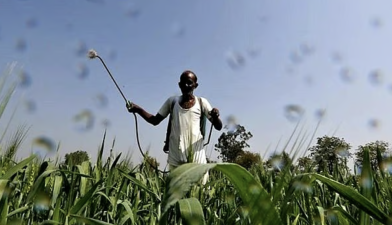
Pesticide use is increasing not only in volume but also in toxicity, creating growing risks for biodiversity and human health. A recent global assessment of 625 pesticides shows that four countries — India, China, Brazil and the United States — account for most of the world’s pesticide toxicity burden. The study uses total applied toxicity (TAT), a metric that measures both the quantity used and the harm caused to different species groups.
Global Toxicity Burden
The study reviewed pesticide use across 201 countries between 2013 and 2019. It found that India, Brazil, China and the US together contribute 53-68 per cent of global pesticide toxicity. Only Chile is currently on track to meet the global target of halving pesticide risks by 2030, compared with 2010-20 levels. China, Japan and Venezuela are moving closer to the target, while Thailand, Denmark, Ecuador and Guatemala are moving away from it.
Species Most Affected
The analysis covered eight species groups and found worsening ecological impact in six of them, even where total pesticide volume was stable or rising slowly. These include:
- Pollinators
- Aquatic invertebrates
- Fish
- Soil organisms
- Terrestrial arthropods
- Plants
Terrestrial arthropods showed the sharpest global rise in toxicity, followed by soil organisms. The study notes that only 20 highly toxic pesticides account for more than 90 per cent of a country’s total toxicity burden.
India’s Rising Pesticide Intensity
India’s chemical pesticide use rose by about 20 per cent between 2014-15 and 2024-25. The burden is especially high in the Indo-Gangetic plains and in intensively farmed states such as Punjab, Haryana, Gujarat, Maharashtra, Telangana and Karnataka. Toxicity is closely linked to crops such as rice, cotton and sugarcane, with cotton contributing heavily despite occupying a smaller share of farmland.
Policy and Regulatory Implications
The findings have renewed attention on pesticide regulation and biodiversity protection. The draft Pesticide Management Bill, 2025 seeks to reduce risks to humans, animals and the environment. However, the study strengthens the case for integrating biodiversity impact assessment into pesticide approval, renewal and phase-out decisions. It also marks the need for biological alternatives, precision farming and stronger farmer support to reduce long-term ecological harm.
Last Modified: April 29, 2026