
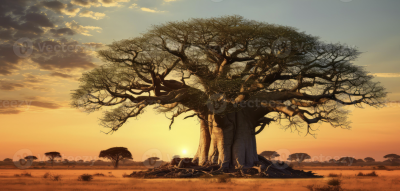
Savannas in western Maharashtra are now understood as ancient, open-canopy tree–grass landscapes rather than degraded forests. A study combining medieval Marathi literature, oral traditions and multiple historical records shows that these ecosystems have existed for at least 750 years. The findings have significance for biodiversity conservation, land-use planning and the interpretation of India’s dryland ecology.
Key Finding
The research reconstructs the ecological history of western Maharashtra using 28 georeferenced literary excerpts dated from the 13th to the 20th century CE. These texts cover areas across Ahilyanagar, Pune, Satara, Solapur, Sangli and Nashik. They repeatedly describe open, thorny landscapes with abundant grass, seasonal drought and tree species typical of savannas.
Plant and Landscape Evidence
- The texts mention 62 plant species in total.
- Of these, 44 were wild species.
- Twenty-seven were savanna indicators.
- Only three were forest indicators.
- Commonly cited species include hivara, khaira, taraī, bābhūa, paasa and grasses such as Pavanyā.
The study identifies two savanna types in the region – fine-leaf savannas in drier zones and broadleaf savannas in wetter zones. Many species show adaptations such as thick bark, spines, resprouting and clonal growth, which are linked to fire, grazing and browsing.
Historical and Cultural Sources
The authors also use oral traditions, myths, narrative poems and ovī performances to decode older ecological language. Terms such as vana and jāgala are shown to refer to wild, dry tracts including grasslands, scrublands and savannas, rather than dense forests. Passages describe cattle herders seeking grass and water, sacred trees emerging in open landscapes, and pastoral communities moving through scrub jungles.
Conservation Significance
The study argues that savannas should not be treated as degraded forest land. It calls for conservation strategies that recognise local cultural knowledge and the ecological value of open habitats. The findings are strengthened by other evidence, including archival paintings, colonial pasture records, hunting logs, hero stones and archaeological remains linked to grazers and dryland ecosystems.
Last Modified: April 25, 2026