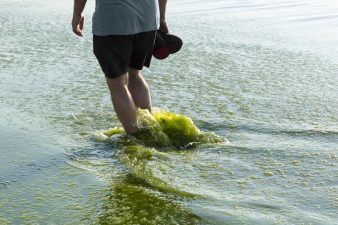
Environmental Science studies the interactions between humans and the environment. It examines ecosystems, biodiversity, and natural resources. This field addresses issues like pollution and climate change. It combines knowledge from biology, chemistry, and geology. Environmental Science informs policy and conservation efforts. It promotes sustainable practices. Understanding these concepts is crucial for protecting our planet. Awareness leads to informed decisions for future generations.
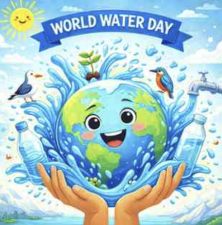
World Water Day 2026 was marked with renewed calls for water conservation, sustainable management and inclusive governance. The day brought into light the importance of freshwater security, the...
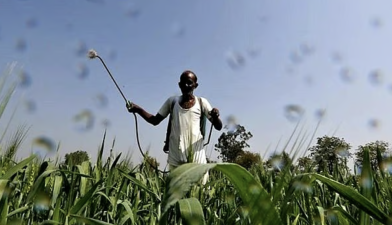
Pesticide use is increasing not only in volume but also in toxicity, creating growing risks for biodiversity and human health. A recent global assessment of 625 pesticides shows...
A rare marine sighting in Cabo San Lucas, Mexico, has drawn attention after two giant oarfish were seen close to the shoreline. Oarfish are deep-sea creatures that are...
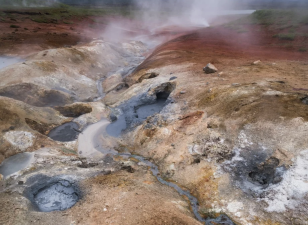
A mud volcano erupted suddenly in Diglipur in the Andaman Islands near Jol Tekri on 8 January, triggering concern among locals and visitors. The area was quickly secured...
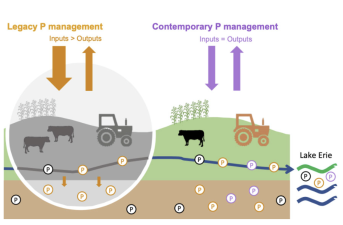
Phosphorus is essential for crop growth, but decades of fertiliser use have left many agricultural soils with excess nutrient build-up. This hidden reserve, often called legacy phosphorus, can...
Indonesia has raised the alert level for Mount Bur Ni Telong in Aceh to the second highest after a rise in volcanic earthquakes and other signs of increased...
Harmful algal blooms (HABs) have become a pressing public health issue, particularly in regions like Lake Erie, where they manifest as toxic green scum on the water's surface....