
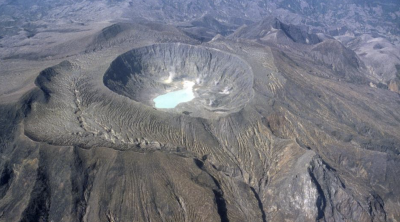
Chichón volcano in southern Mexico has shown fresh signs of internal change, drawing renewed scientific attention to its crater lake. Elevated water temperatures, gas bubbling, sulphur formations and shifting lake chemistry indicate active hydrothermal processes beneath the surface. The volcano remains under yellow alert, phase 2, and is still considered non-eruptive, but researchers are treating the latest anomalies as important warning signals.
Crater Lake Changes
Between June and December 2025, monitoring teams recorded several unusual changes in the crater lake. The surface temperature repeatedly reached 118°C, reflecting intense geothermal heating. Scientists also observed floating hollow sulphur spheres, formed when gas rises through sulphur-rich pools near the lakebed.
Chemical And Visual Shifts
The lake, once marked by algal growth, developed a greyish appearance. This change is linked to higher concentrations of sulphates and silica. Chloride levels in water samples also varied , suggesting changes in the internal fluid system. Rising emissions of hydrogen sulphide and carbon dioxide added to concerns, as these gases can accumulate to dangerous levels near the crater.
Volcanic Risk And Monitoring
Chichón’s 1982 eruption was one of the deadliest in modern Mexican history, killing more than 2,000 people and causing major ash and pyroclastic damage. The present activity does not point to magma moving towards the surface, but it does show that the hydrothermal system remains highly active. Scientists note that shallow seismic signals and lake behaviour are more consistent with surface heating than deep magmatic intrusion.
Preparedness And Observation
Monitoring remains limited by gaps in real-time seismic, gas and thermal surveillance. In response, researchers and state agencies are using drones, remote sensing and field campaigns to improve observation. Local education efforts are also under way to improve public awareness of volcanic hazards. Experts continue to watch for possible phreatic explosions, which can occur suddenly when underground water meets extreme heat.
Last Modified: April 27, 2026