
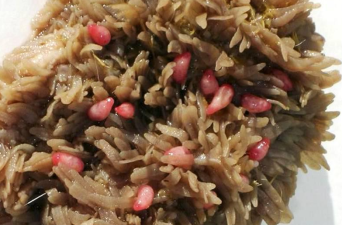
Around 70 cattle have died in Kendrapara district of Odisha due to an outbreak of rumen flukes disease, a parasitic infection locally known as ‘Kurmi’. The disease has spread across multiple villages, causing severe diarrhea, rapid weight loss, and reduced milk yield among the livestock. Local veterinary authorities have deployed rapid response teams to treat affected animals and have collected biological samples for detailed laboratory analysis. The outbreak is closely linked to poor grazing conditions during the dry summer months, forcing cattle to consume dried grass close to the soil where parasite larvae thrive.
Disease Profile and Transmission Dynamics
Etiology and the Parasite
Rumen flukes disease, scientifically termed amphistomiasis or paramphistomiasis, is caused by digenetic trematodes belonging to the family Paramphistomatidae. The most common species infecting domestic ruminants are Paramphistomum cervi and Cotylophoron cotylophorum. Unlike liver flukes that damage the hepatic system, these parasites target the rumen (the first stomach chamber) and the small intestine of cattle, buffaloes, sheep, and goats.
Pathogenesis and Symptoms
The clinical disease is primarily caused by the migration of immature flukes through the intestinal wall, rather than the presence of adult flukes in the rumen. The immature flukes attach to the duodenal mucosa using powerful suckers, causing severe inflammation, hemorrhages, and necrosis. The physical symptoms manifested by infected cattle include:
- Severe Diarrhea: Fetid, watery, and sometimes bloody diarrhea that does not respond to standard antibiotics.
- Bottle Jaw: Edematous swelling under the lower jaw caused by hypoproteinemia (low protein levels in the blood).
- Anorexia and Dehydration: Marked loss of body mass, rough hair coat, and severe weakness.
- Drop in Production: Sudden and drastic reduction in milk yield and draft capacity.
Lifecycle and Role of Intermediate Hosts
The parasite requires an indirect lifecycle involving an intermediate host to complete its development. The biological progression follows specific stages:
| Stage | Development Phase | Location / Host |
| Egg | Excreted through host feces into the environment. | Pasture soil and water bodies. |
| Miracidium | Ciliated larva hatches from the egg in water and seeks a host. | Freshwater environment. |
| Intermediate Stage | Miracidium penetrates a snail; develops into sporocyst, redia, and cercaria. | Aquatic snails (Planorbis or Indoplanorbis species). |
| Cercaria | Free-swimming larvae leave the snail and encyst on vegetation. | Aquatic plants and grass blades. |
| Metacercaria | Infective stage swallowed by grazing cattle. | Rumen and duodenum of ruminants. |
Epidemiological Drivers and Treatment
Summer Vulnerability and Grazing Patterns
The outbreak in Kendrapara highlights how seasonal environmental stress triggers parasitic diseases. During peak summer, natural green pastures dry up, forcing cattle to graze deep into drying ponds, canals, and marshy lowlands. These receding water bodies host high concentrations of aquatic snails. Cattle consume the infective metacercariae while feeding on the low-lying, damp vegetation close to the mud, leading to a massive intake of the parasite.
Clinical Management and Treatment Protocols
Managing an outbreak requires a combination of targeted chemical therapy and supportive care:
- Anthelmintic Administration: Highly specific flukicides are required. Oxyclozanide is the drug of choice for treating adult flukes, while Niclosamide or Resorantel are used to target the destructive immature stages in the intestines.
- Fluid Therapy: Affected animals receive intravenous or oral rehydration fluids to combat the severe dehydration caused by chronic diarrhea.
- Mineral Supplementation: Iron and protein supplements help the animal recover from severe anemia and tissue damage.
Preventative and Pasture Management
Long-term control relies on breaking the parasite’s lifecycle. Farmers must prevent livestock from grazing in known snail habitats, especially during early morning or during the dry season. Applying copper sulfate or biological control agents to local water bodies helps reduce the aquatic snail population. Ensuring a steady supply of cultivated green fodder and clean drinking water reduces the dependence of livestock on contaminated wild pastures.
IASPOINT Booster Facts for UPSC
- The Ruminant Stomach Architecture: Ruminants possess a four-chambered stomach consisting of the rumen, reticulum, omasum, and abomasum. Adult rumen flukes reside in the rumen and reticulum, but they cause minimal harm there compared to the immature flukes in the duodenum.
- Vector Snail Identification: The primary intermediate host in India is Indoplanorbis exustus, a freshwater pulmonate snail easily recognized by its flat, spirally coiled shell. It thrives in stagnant water, paddy fields, and irrigation channels.
- Zoonotic Potential: Amphistomiasis is strictly an animal disease. Unlike certain other trematodes like Fasciola hepatica (liver fluke), rumen flukes do not pose a direct infectious threat to human health.
- Economic Impact on Livestock Sector: The disease causes high indirect economic losses through permanent stunted growth, reduced meat quality, and long-term infertility in dairy animals, impacting smallholder rural economies.