
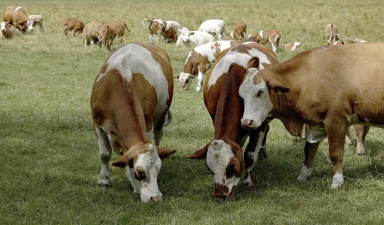
India’s cattle economy is far broader than milk production, with a new study showing that more than one-third of cattle rearers prioritise non-market uses of bovines and do not sell milk. The findings show the role of cattle in manure, fuel, draught power, household consumption, and asset security, especially as climate stress and fodder shortages affect rural livelihoods.
Key Findings of the Study
- The study covered over 7,300 cattle-rearing households across 15 states.
- It represents 91 per cent of India’s bovine population.
- Seven per cent of rearers keep cattle only for non-milk purposes.
- The share rises to around 15 per cent in states such as West Bengal and Maharashtra.
- About 74 per cent of rearers value dung for manure, fuel, or sale.
Cattle as a Livelihood System
The study shows that cattle rearing functions as an integrated livelihood system, not only a dairy activity. In several states, including Jharkhand, West Bengal, and Himachal Pradesh, more than half of rearers prioritise household milk consumption and dung use over milk sales. Even in formalised dairy states such as Maharashtra and Karnataka, over 30 per cent prioritise non-milk benefits. Indigenous cattle remain important in mixed farming systems because they support draught power, manure supply, and low-cost household needs.
Major Constraints for Rearers
- Three out of four rearers reported feed and fodder shortages.
- Awareness of silage-making and ration-balancing programmes is around 20 per cent.
- Adoption of these feeding interventions is only five per cent.
- Less than a quarter reported major animal health and breeding challenges.
- This suggests stronger policy success in vaccination, deworming, and artificial insemination.
Climate Stress and Policy Implications
The study finds that climate change is increasing disease, mortality, and heat stress in cattle. Buffalo rearers, crossbred rearers, and indigenous cattle rearers have all reported climate-related impacts. Small herds dominate rural India, but they contribute a smaller share of milk sales. The study recommends differentiated livestock policies, stronger extension services, localised fodder solutions, and support for dung-based energy and manure value chains. It also calls for climate-aware breeding choices and better protection of grazing lands.
Last Modified: April 27, 2026