
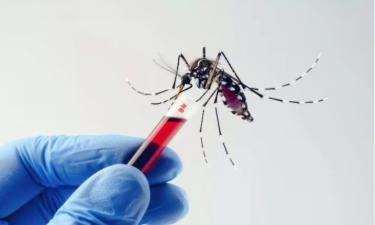
The World Health Organization granted prequalification on 24 April 2026 to the first malaria treatment specifically designed for newborns and young infants. The medicine is artemether-lumefantrine, marketed as Coartem® Baby or Riamet® Baby, and it is formulated for infants weighing 2 to 5 kilograms.
WHO Prequalification
WHO prequalification is a quality assurance process for medicines, vaccines, diagnostics, and other health products. It confirms that a product meets international standards of quality, safety, and efficacy for procurement by United Nations agencies and other public sector buyers.
Drug Composition And Use
Artemether-lumefantrine is an artemisinin-based combination therapy used for uncomplicated malaria. Artemether acts rapidly against malaria parasites, and lumefantrine has a longer half-life that helps clear remaining parasites.
Infant-Specific Formulation
- The new formulation is designed for newborns and young infants, a group with different drug metabolism from older children.
- Earlier practice used paediatric formulations intended for older children, which increased the risk of dosage errors and toxicity in very small infants.
- The treatment was developed by Novartis in collaboration with Medicines for Malaria Venture.
Malaria Burden In Infants
WHO data for 2024 estimated 282 million malaria cases and 610,000 deaths across 80 countries. Africa accounted for 95% of cases and deaths, and children under five accounted for three-quarters of malaria deaths.
Access And Availability
Novartis has stated that the medicine will be made available on a largely not-for-profit basis in malaria-endemic regions. Ghana has already introduced the treatment.
Malaria Control Context
Malaria is a mosquito-borne disease caused by Plasmodium parasites, and Plasmodium falciparum is the most lethal species in Africa. WHO malaria control tools include insecticide-treated nets, indoor residual spraying, rapid diagnostic tests, antimalarial medicines, and vaccines.
Last Modified: April 25, 2026