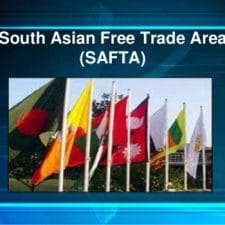
The South Asian Free Trade Area (SAFTA) promotes trade among South Asian nations. It aims to reduce tariffs and enhance economic cooperation. Established in 2006, SAFTA includes countries like India, Pakistan, and Bangladesh. The agreement seeks to boost regional economic growth. It encourages investment and fosters closer ties between member states. SAFTA plays a crucial role in South Asia's economic integration.
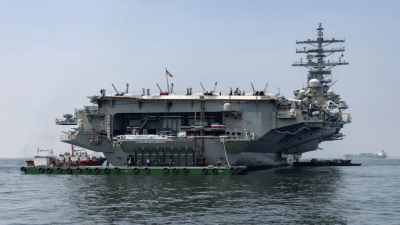
The nuclear-powered aircraft carrier Ronald Reagan, belonging to the United States, is set to make a rare visit to the port city of Danang in Central Vietnam amidst...
The South Asian Free Trade Area (SAFTA) was established with the aim of promoting regional economic integration and fostering trade cooperation among the South Asian countries. SAFTA serves...
The 5th Asean-India Business Summit, held at the Berjaya Times Square Hotel in Kuala Lumpur on March 6, 2023, was a platform for discussing the future of economic...
Free trade agreements are agreements between two or more countries to reduce or eliminate trade barriers and promote economic cooperation. They are designed to encourage trade between participating...
Located in the Kollam (formerly Quilon) District of Kerala, it was designated Ramsar Wetland on 19th August, 2002. It is the most visited backwater and lake in the...
Within Asia, India has signed bilateral FTAs with Sri Lanka (1998), Afghanistan (2003), Thailand (2004), Singapore (2005), Bhutan (2006), Nepal (2009), Korea (2009), Malaysia (2011) and Japan (2011)....
The Organisation of the Petroleum Exporting Countries (OPEC) is a permanent, intergovernmental Organisation, created at the Baghdad Conference on September 10'14, 1960, by Iran, Iraq, Kuwait, Saudi Arabia...
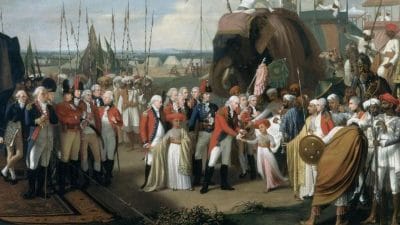
The English venture to India was entrusted to the East India Company, to which on 31 December 1600, Queen Elizabeth I granted a royal charter addressed to "George,...
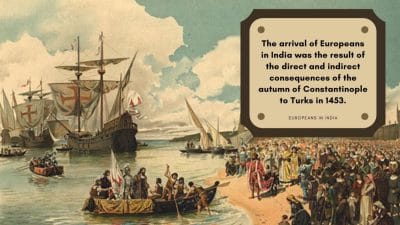
The Portuguese were the first agents of this renewed contact, because they were the ones who possessed both the navigational know-how and the necessary motivation for the long...
The history of Ashoka (c. 273–232 BCE) is reconstructed using a combination of epigraphic records and heterodox literary traditions, which bridge the gap between archaeological data and historical...