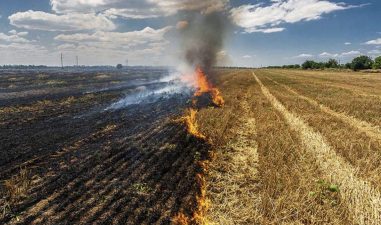
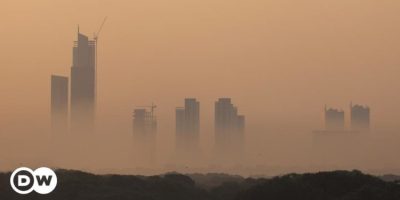
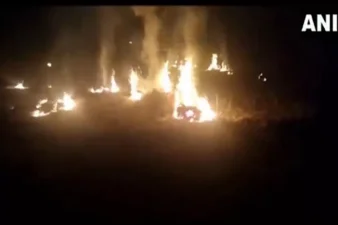
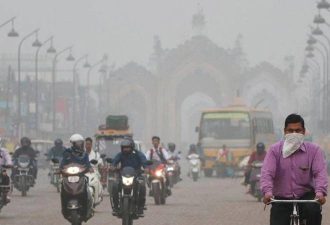
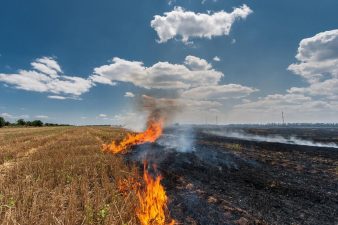
Stubble burning is a common agricultural practice in India. Farmers burn leftover crop residue to clear fields quickly. This method is cost-effective but harmful. It contributes to air pollution and health issues. The smoke affects nearby cities, worsening air quality. Various laws aim to regulate this practice. Sustainable alternatives are being promoted to reduce environmental impact. Awareness campaigns are essential for change.
As of April 2026, Madhya Pradesh has recorded nearly 72% of India’s wheat stubble burning incidents in the season. Between 1 April and 17 April 2026, the state...
Air pollution in Delhi’s National Capital Region has once again foregrounded a familiar narrative: blaming farmers in neighbouring States for the capital’s choking air. While stubble burning does...
Recent developments indicate a shift in how India monitors farm fires, contributor to air pollution, particularly in northern states. The government plans to count these fires by assessing...
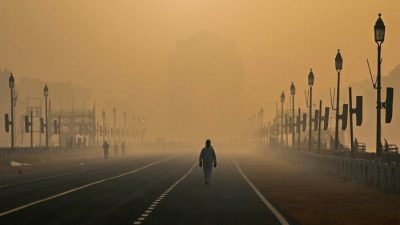
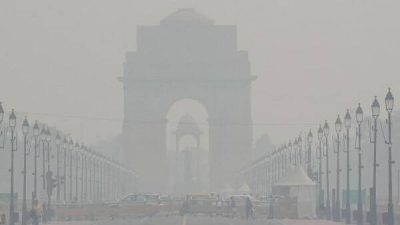
Delhi's air quality has reached alarming levels, with the Air Quality Index (AQI) soaring above 400. This situation has escalated into a public health emergency for millions in...
As winter approaches in northern India, cities are engulfed in smog. This year, smog has arrived earlier than usual, impacting air quality and public health. The phenomenon is...
The Commission for Air Quality Management has updated the Environmental Compensation (EC) rates for stubble burning. This change, effective immediately, aims to address air pollution in the National...
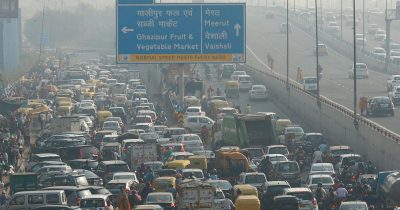
The National Capital Region (NCR) is currently facing a severe air quality crisis, with pollution levels reaching alarming heights. Recent reports indicate that cities like Noida, Greater Noida,...
The air quality in Delhi has sharply deteriorated as winter approaches, with particulate matter (PM 2.5) levels consistently exceeding 300, categorising the air quality as 'very poor'. This...
In October 2024, the Supreme Court of India addressed the persistent issue of stubble burning, denoting the inadequacies in enforcement by the Punjab and Haryana governments. The court...