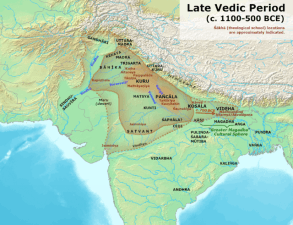
The Vedic Period spans from around 1500 to 500 BCE. It marks the arrival of the Indo-Aryans in India. This era is characterised by the composition of the Vedas, ancient sacred texts. Society was organised into tribes and clans. Agriculture and pastoralism flourished. The period laid the foundation for Hindu philosophy and rituals. It significantly influenced Indian culture and social structure.
In the later Vedic period the main centre of the Aryan civilisation'shifted from Saplasamdhav to the Ganga-Yamuna doab. New'Aryan tribes, the Kuru, Panchala and Anga emerged. The battle'of...
Samvidhan Diwas, which is well known as Constitution Day, is celebrated all over India on 26th November, to mark the adoption of the Constitution of India. Every year...
The Katkari tribal youth from Shahpur in Maharashtra have created a buzz by venturing into online sales of Giloy and other products amidst the lockdown. This initiative became...
The Union Government has announced a plan to preserve and restore the Konark Sun Temple in Odisha, an almost 800-year-old monument that has recently been the subject of...
The Sangam Age (roughly 3rd Century BCE to 3rd Century CE) marked the transition of South India from a pastoral-tribal society to a structured agrarian polity. The political...
Kanishka I, the most celebrated emperor of the Kushana Dynasty, belonged to the Kuei-shuang clan of the nomadic Yuezhi confederation. Reaching his political zenith in the late 1st...
India’s wind energy potential is heavily dictated by its unique physical geography, extensive coastline, and meteorological patterns. The country's wind resource is predominantly seasonal, strongly tied to the...