Zamindars were landowners in India during the Mughal era. They collected taxes from peasants. This system was formalised under British rule. Zamindars played a role in agriculture. They often exploited farmers for profit. The abolition of zamindari occurred post-independence. This aimed to promote land reforms. The legacy of zamindars still influences rural India today. Their impact on society and economy remains significant.
In the year 1780 the company's privileges ran out, but this was during the crisis of the American Revolution, so a decision by the British government was delayed...
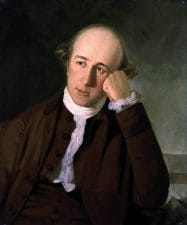
It was this state that Warren Hastings inherited when he became Governor of Bengal in 1772. Noteworthy in his 13-year rule were his internal administration, his dealings with...
Vaishnavism emerged as a major religious movement during the early medieval period, characterized by the synthesis of Vedic traditions, local cults, and the philosophy of Bhakti. It evolved...
Rajputization refers to the historical process during the early medieval period (c. 600–1200 CE) through which various tribal, semi-tribal, and non-Kshatriya groups were integrated into the established caste...
The decline of the Mughal Empire in the 18th century marks the transition from the Medieval to the Modern period in Indian history. This transition laid the groundwork...