

India has a rich history in trade and commerce. By the year 1000, it contributed nearly 30% of global GDP. This dominance continued until the 18th century, where it still accounted for about a quarter of world GDP. The Indian textile industry was particularly , leading global cotton production and trade.
Colonial Impact
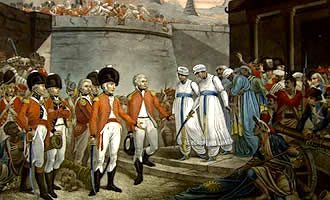
The arrival of British colonial rule in the mid-18th century drastically altered India’s economic landscape. Colonial policies dismantled India’s thriving trade networks. By the 19th century, India faced severe de-industrialisation. Its share of global manufacturing output plummeted from 19.7% in 1800 to just 1.4% by 1913.
Traditional Business Community
Despite colonial challenges, the traditional Indian business community persisted. Many engaged in petty trade and money lending. However, segments of capital were reallocated to land ownership, turning former traders into absentee landlords under colonial rule.
Economic Resurgence
Post-colonial opportunities emerged in the 20th century. The Indian business community began to recover, especially during World War I. The global cotton shortage allowed some Indian traders to invest in modern textile mills. By the 1930s, India was largely self-sufficient in major consumer goods.
Import Substitution
The early 20th century saw a shift towards import substitution. This involved replacing foreign goods with domestic products, particularly in textiles, sugar, and chemicals. This process accelerated during World War II, leading to greater industrial independence.
Rise of Indian Capital
Between the two World Wars, Indian capital began to dominate various sectors. By 1944, Indian private capital controlled 62% of larger industrial units. This marked shift from British control.
Financial Sector Developments
The Indian banking sector also experienced growth. In 1914, foreign banks held 70% of deposits. By 1947, this figure dropped to 17%. Indian banks gained prominence, reflecting the rise of indigenous capital.
Industrial Growth
Indian companies, particularly Tata and Birla, expanded rapidly. Their assets and capital outpaced many European firms. This growth was indicative of a burgeoning Indian capitalist class.
The Role of Nationalism
The emergence of the Indian capitalist class was closely tied to the national movement. Capitalists organised themselves as a cohesive entity, aligning their interests with the struggle for independence. This relationship was crucial in shaping their identity.
Formation of Business Associations
The late 19th century saw the formation of business associations. The Calcutta Chamber of Commerce was established in 1833, followed by others. These organisations represented business interests to the colonial government.
Indian Chambers of Commerce
The first Indian trade association was formed in 1882. The Bengal National Chamber of Commerce followed in 1887, linking business interests with the national movement. This trend continued, leading to the establishment of a federation of business associations.
Federation of Indian Chambers of Commerce and Industry (FICCI)
FICCI was founded in 1927 to represent Indian commercial interests. It aimed to unify various sectors and communities. By 1947, it had grown to include over 100 member organisations.
Political Engagement
The Indian capitalist class recognised the need for political involvement. Leaders like G.D. Birla emphasised the link between politics and economics. They believed that political freedom was essential for economic prosperity.
Class Consciousness
The capitalist class developed a strong sense of identity. They emerged as a “class for itself,” advocating for shared interests. This unity was vital in navigating the complexities of colonial rule and national aspirations.
Economic Critique of Imperialism
Indian capitalists articulated a critique of imperialism. They brought into light the exploitation inherent in colonial policies. This critique became a rallying point for their efforts towards independence.
Intra-Class Conflicts
While the capitalist class sought unity, conflicts arose within. Different business interests occasionally clashed, particularly between industrialists and traders. However, FICCI’s leadership managed to mediate these disputes effectively.
Legacy of the Capitalist Class
By the eve of independence, the Indian capitalist class had established itself as force. They controlled a large share of the domestic market and were poised to play important role in post-colonial India.
Conclusion – A New Economic Landscape
The emergence of the Indian capitalist class marked a very important moment in India’s economic history. Their growth was intertwined with the national movement and shaped the country’s future trajectory. The foundations laid during this period would influence India’s post-independence economic policies and development strategies.
Key Industries
The Indian capitalist class primarily operated in key sectors. These included:
- Cotton textiles
- Steel
- Sugar
- Pulp and paper
- Chemicals
- Foreign trade
- Banking


