
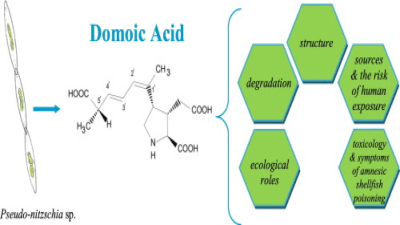
The rapid proliferation of a harmful algae species, leading to the production of domoic acid, is wreaking havoc on marine life, according to experts. This toxic acid is making its way through the food chain, affecting numerous species and causing a distressing number of deaths among marine animals.
Uncovering an Unusual Mortality Event
The National Marine Fisheries Service has reported a significant rise in sea lion deaths, with hundreds of these majestic creatures falling victim to the toxic effects of domoic acid. Additionally, approximately 100 dolphins have also perished due to this environmental crisis. The Channel Islands Cetacean Research Unit, a dedicated biosurveillance organization, has been actively monitoring the situation and collecting tissue samples from the deceased animals to determine the presence of domoic acid, a neurotoxin produced by the algae species Pseudo-nitzschia.
Understanding the Dangers of Domoic Acid
Domoic acid, a potent neurotoxin found within the marine food chain, poses a severe threat not only to marine mammals but also to humans who consume contaminated seafood. The California Department of Public Health warns that high levels of domoic acid can be fatal when consumed in significant quantities. It is imperative to address this outbreak swiftly in order to protect both wildlife and public health. The reach of domoic acid seems to extend beyond the shoreline, affecting offshore areas as well. While sea lions were predominantly affected in previous events, dolphins have now also become victims, raising concerns about the broader impact on various marine species.
Visible Symptoms and the Role of Rescue Organizations
Beached sea lions exhibit distressing symptoms, including disorientation, agitation, head bobbing, foaming at the mouth, seizures, and loss of motor skills. To ensure the safety of both animals and humans, beachgoers are being urged to stay away from distressed animals and promptly report any sightings to local rescue organizations. The Channel Islands Marine & Wildlife Institute has experienced an overwhelming influx of over 1,000 reports in just one week, underscoring the urgent need for their assistance.
The Geographical Extent and Environmental Factors
Ocean monitoring organizations have identified high concentrations of domoic acid along the Southern California coast, particularly in the Santa Barbara Channel off Santa Barbara and Ventura counties. Algae growth, the root cause of this crisis, is closely linked to various environmental factors. Nutrients flushed into the ocean by rain, coupled with winds that create an eddy effect, lead to upwelling. This upwelling brings nutrients from the deep ocean to the surface, providing an ideal environment for the growth of harmful algae. Anchovies, a primary food source for marine mammals, feed on this algae, exacerbating the impact of the toxic bloom.
Immediate Action is Imperative
The current outbreak of harmful algae and the resulting spread of domoic acid present a grave threat to marine mammals along the Southern California coast. The severity of this event demands immediate action to protect the affected animals and mitigate the impact on both wildlife and public health. Collaboration between marine mammal rescue organizations, research institutions, and government agencies is crucial in addressing this environmental crisis. Efforts to monitor, study, and respond to these incidents must be intensified to minimize the loss of marine life and prevent further harm to the delicate coastal ecosystem.
Last Modified: February 20, 2024