
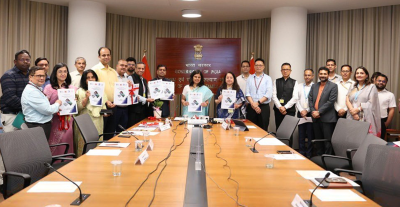
On World No Tobacco Day 2026, the Government of India introduced the pilot version of the Tobacco-Free Educational Institutions (ToFEI) Application. This digital platform strictly enforces tobacco control measures across schools and colleges nationwide. Alongside this application, the Ministry of Health and Family Welfare released a new Standard Operating Procedure (SOP) detailing the standardized sample collection of various tobacco products. These initiatives align with the global effort to shield young minds from the manipulative marketing tactics of the tobacco industry. They also aim to counter rising nicotine addiction among adolescents through strict compliance and real-time monitoring.
Mechanism of the ToFEI Application
The ToFEI application acts as a comprehensive digital tool for educational administrators and regulatory authorities. It replaces manual compliance checks with an automated, location-aware digital reporting system.
- Self-Assessment Module: The application allows school and college principals to conduct digital self-assessments regarding their compliance with national tobacco control guidelines.
- Geospatial Enforcement: The tool uses GPS mapping to monitor the strict ban on the sale of tobacco products within a 100-yard radius of any educational institution.
- Real-time Monitoring: District nodal officers receive real-time data from schools to track violations and initiate prompt administrative action.
- Evidence Uploads: School authorities can upload photographic evidence of violations or compliance. This includes the mandatory display of “Tobacco-Free Area” signboards on campus premises.
Standard Operating Procedure (SOP) for Sample Collection
The Ministry of Health and Family Welfare introduced the SOP to bring uniformity to how enforcement agencies collect and test tobacco products.
- Standardized Testing: The SOP dictates exact protocols for collecting samples to test for illegal ingredients, unapproved chemical additives, and actual nicotine concentrations.
- Legal Compliance Check: It ensures collected samples are systematically evaluated for compliance with mandatory packaging laws. This includes the strict enforcement of the 85 percent pictorial health warning rule.
- Evidentiary Value: Following a uniform protocol guarantees that the collected samples maintain their chain of custody. This makes them legally admissible in courts during the prosecution of violators.
- Inter-agency Coordination: The document provides clear guidelines for food safety officers, police personnel, and health officials working jointly during enforcement raids.
Legal Framework Governing Tobacco Control
India operates a multi-tiered legal architecture to curb tobacco consumption and protect public health, especially among minors.
| Legislation / Programme | Core Mandate | Key Features Related to Youth |
| COTPA, 2003 | Principal national law regulating tobacco products. | Section 6(a) bans sales to minors. Section 6(b) bans sales within 100 yards of educational institutions. |
| National Tobacco Control Programme (NTCP) | Launched in 2007-08 to facilitate COTPA implementation. | Focuses on school awareness programmes and establishing tobacco cessation centers. |
| PECA, 2019 | Prohibition of Electronic Cigarettes Act. | Completely bans the production, import, sale, and advertisement of e-cigarettes and vapes. |
| Juvenile Justice Act, 2015 | Protects children from harmful substances. | Section 77 penalizes giving intoxicating liquor, narcotics, or tobacco products to a child. |
Global Context and WNTD 2026 Theme
The launch of these digital and regulatory tools coincides with the global health imperatives set by the World Health Organization (WHO).
- 2026 Theme: The WHO designated the theme for World No Tobacco Day 2026 as “Unmasking the Appeal – Countering Nicotine and Tobacco Addiction.”
- Targeting Deceptive Marketing: The theme focuses on exposing how tobacco companies use flavored products, sleek designs, and social media influencers to make nicotine use appealing to the younger generation.
- Preventing Gateway Addiction: Health authorities prioritize school interventions because early nicotine exposure often acts as a gateway to heavier substance abuse and lifelong addiction.
IASPOINT Booster Facts for UPSC
- World No Tobacco Day is observed annually on May 31. The WHO created this observance in 1987.
- India ratified the WHO Framework Convention on Tobacco Control (WHO FCTC) in 2004.
- Article 5.3 of the WHO FCTC legally obligates parties to protect their public health policies from commercial and other vested interests of the tobacco industry.
- The Ministry of Health and Family Welfare operates a National Tobacco Quitline Services (NTQLS) and a mobile-based mCessation programme to help users quit tobacco.
- According to the Global Youth Tobacco Survey (GYTS-4), nearly one-fifth of students aged 13-15 years in India use some form of tobacco.
- Bidi smoking accounts for the majority of tobacco consumption in India, surpassing factory-made cigarettes.
- Tobacco control efforts in India directly align with Sustainable Development Goal (SDG) Target 3.a, which focuses on strengthening the implementation of the WHO FCTC in all countries.