
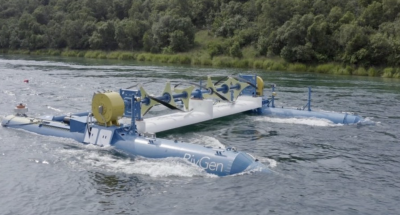
Tripura has identified 10 river sites to generate 185 MW of electricity using Hydrokinetic Turbine Technology. The project is part of the state’s wider effort to expand renewable energy, reduce dependence on gas-based power, and move towards round-the-clock electricity supply. The identified sites include Chakmaghat, Maharani, Dumboor, Natunbazar, Kalsi, Manu, Kulai, Feni, Dhalai, and Sangan in Ampi and Lakhipur. Work is expected to begin next month.
Hydrokinetic Energy Plan
Hydrokinetic turbines generate electricity from the natural flow of moving water without large dams. This makes the technology suitable for river-based power generation with lower land disruption. Tripura plans to use this model to tap its flowing rivers and add to the state’s power supply.
Rising Power Demand
Tripura’s electricity demand has increased sharply in recent years. The state currently supplies power for 23 hours and 54 minutes a day. Consumer numbers have risen from 7.21 lakh before 2018 to 10.57 lakh at present. Peak demand has reached 378 MW and is projected to touch 650 MW by 2031.
Solar Energy Expansion
The state is also pushing solar power under the PM Surya Ghar Muft Bijli Yojana. Around 5 lakh families installing 2 kW solar panels could together generate about 1,000 MW daily. In addition, solar systems are being installed in 2,000 government buildings, with an expected output of 80 MW. Private solar installations have already contributed 6 MW from 15,000 people.
Energy Efficiency Push
Tripura has also brought into light energy-efficient infrastructure through the Super ECBC building at Banamalipur, Agartala. The building has been developed at a cost of Rs 12.33 crore and is one of five such projects in the country. The initiative reflects the state’s broader strategy to combine hydrokinetic power, solar energy, and efficient buildings for sustainable development.
Last Modified: April 25, 2026