
Kandla Port, officially Deendayal Port Authority, has advanced its methanol bunkering capabilities as part of India’s push towards cleaner maritime transport. The development supports the wider goal of decarbonising shipping and building green shipping corridors. It also aligns with the maritime sector’s target of net-zero emissions by 2050.
Strategic Importance of Methanol Bunkering
Methanol is being seen as an alternative marine fuel that can help reduce greenhouse gas emissions. The focus is on low-carbon fuels such as e-methanol and e-ammonia. These fuels are expected to support the transition away from conventional fossil-based bunker fuel in shipping.
Kandla Port’s Existing Advantage
Kandla Port already handles grey methanol as cargo and has relevant infrastructure in place. This includes tank storage, pipelines and jetties. The port is now building dedicated bunkering capacity on this base. It is located on India’s western coast and has long been an important commercial port.
Readiness Assessment and Trial Operation
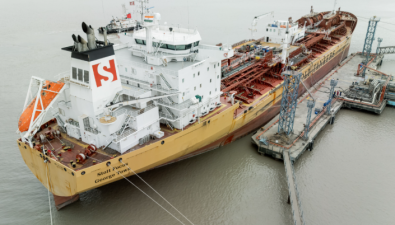
To assess preparedness, the port engaged DNV Maritime Advisory Services to review infrastructure, safety systems and regulatory arrangements. The port was rated Level 6 on the International Association of Ports and Harbors Port Readiness Level scale for methanol bunkering. On 2 April 2026, Kandla Port carried out a trial shore-to-ship methanol bunkering operation. The exercise was conducted with industry partners including Stolt Tankers, J M Baxi, Aegis Vopak, Indian Oil Corporation Ltd. and Deendayal Port Authority. The trial checked bunker transfer procedures, safety compliance and operational protocols.
Future Plans and Green Shipping Role
Kandla Port is working towards availability of about 500 KTPA of RFNBO-compliant e-methanol by 2028-29. This supply is intended to support deep-sea dual-fuel vessels on the Asia-Europe trade corridor. The port also plans to move towards ship-to-ship methanol bunkering in the next phase. The initiative is expected to strengthen India’s role in emerging green shipping corridors and support sustainable maritime growth.
Last Modified: April 28, 2026